Exfoliation is an essential step in a well-rounded skincare routine. It helps remove dead skin cells, promotes cell turnover, and leaves skin looking brighter, smoother, and more even. However, for those with sensitive skin, exfoliation can feel intimidating—too harsh and your skin may flare up with redness, irritation, or dryness.
Sensitive skin needs thoughtful product selection: exfoliators that are effective yet gentle, soothing rather than stripping. In this guide, we’ll explore the best exfoliators specifically formulated for sensitive skin, explain how they work, and help you build a regimen that strengthens your skin’s natural barrier without irritation.
Before we dive in, if you’re addressing multiple concerns at once—like acne or hormonal breakouts—make sure your exfoliation routine complements other treatments such as Skincare Products for Hormonal Acne so your skin stays balanced and calm.
How Exfoliation Works
Exfoliation removes the top layer of dead skin, preventing buildup that can lead to dullness, congestion, and breakouts. There are two primary types of exfoliants:
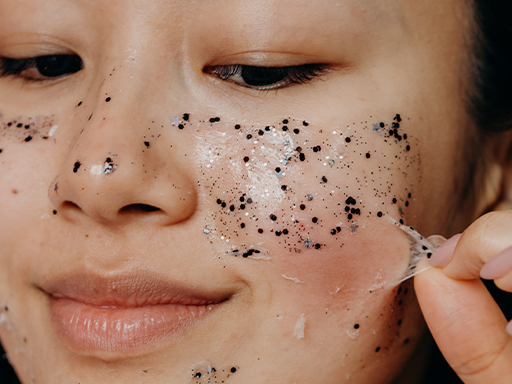
Physical Exfoliants
These contain small particles, brushes, or beads that physically slough off dead skin. They can be effective, but many formulas are too abrasive for sensitive skin.
Chemical Exfoliants
These use acids or enzymes to dissolve dead skin cells. They are typically gentler and more controlled than physical exfoliants, making them a better choice for sensitive skin when chosen wisely.
What to Look for in an Exfoliator for Sensitive Skin
When selecting an exfoliator, choose products with gentle ingredients and avoid harsh abrasives or high concentrations of strong acids. Key features to look for include:
- Low concentrations of exfoliating acids
- Enzyme-based formulas
- Calming, soothing botanicals
- Non-abrasive texture
- Alcohol-free and fragrance-free options
Top Exfoliators for Sensitive Skin
The following exfoliators are known for their gentle yet effective performance on sensitive skin. They are arranged by type and benefit to help you choose based on your needs.
Comparison Table: Best Exfoliators for Sensitive Skin
| Product Name | Exfoliant Type | Key Ingredient | Best For |
|---|---|---|---|
| Lactic Acid Exfoliant | Chemical | Lactic Acid | Hydrating, mild exfoliation |
| PHA Exfoliant | Chemical | Polyhydroxy Acid | Gentle, barrier-friendly |
| Enzyme Treatment | Enzyme | Fruit Enzymes | Surface dead skin removal |
| AHA/BHA Combo | Chemical | Low % AHA + BHA | Mild exfoliation + pore clearing |
| Gentle Scrub | Physical | Smooth micro-particles | Very gentle manual exfoliation |
Best Chemical Exfoliants for Sensitive Skin
Lactic Acid Exfoliants
Lactic acid is an alpha-hydroxy acid (AHA) derived from milk. It exfoliates dead skin while providing hydration, making it one of the most gentle acids for sensitive skin. Lactic acid helps improve texture without stripping moisture.
How to use: Apply once or twice a week after cleansing. Increase frequency only if your skin tolerates it.
PHA (Polyhydroxy Acid) Exfoliants
PHAs are even gentler than AHAs. They work on the surface to dissolve dead skin cells while attracting moisture and calming skin. PHAs are ideal for sensitive, reactive, or dry skin.
Benefits:
- Minimal irritation
- Strengthens moisture barrier
- Ideal for rosacea or redness-prone skin
How to use: Use 1–3 times per week in place of heavier exfoliants.
Enzyme-Based Treatments
Enzyme exfoliators use natural fruit-derived enzymes (such as papaya or pineapple enzymes) to dissolve dead skin cells. These are among the most gentle options and are excellent for sensitive skin that cannot tolerate acids.
Benefits:
- Smooths texture
- Brightens complexion
- No physical abrasion
How to use: Apply as a mask or leave-on treatment according to product instructions.
Gentle Physical Exfoliants
While many physical scrubs are too harsh for sensitive skin, some use ultra-fine, smooth particles that gently buff without scraping. Look for products that clearly state they are formulated for sensitive skin and avoid jagged or rough beads.
How to use: Use sparingly (once per week) and always with light pressure.
Mild AHA/BHA Combination Formulas
Some exfoliators combine low concentrations of AHAs and BHAs to offer gentle, balanced exfoliation. BHAs like salicylic acid penetrate slightly deeper into pores, helping with congestion without overdrying.
These are good options if your sensitive skin also deals with occasional breakouts or clogged pores.
How to use: Start with once weekly and increase only if your skin tolerates it well.
Tips for Safe Exfoliation on Sensitive Skin
Sensitive skin benefits most from cautious, consistent exfoliation rather than frequent, aggressive scrubbing. Use these tips to protect your skin barrier:
Patch Test First
Apply a small amount of product to a discreet area to test tolerance.
Start Slow
Use exfoliants once a week at first; increase only if skin shows no irritation.
Avoid Harsh Scrubs
Skip rough particles and stiff brushes that can damage delicate skin.
Follow With Moisturizer
Lock in hydration after exfoliation with a soothing, barrier-supporting moisturizer.
Always Use Sunscreen
Exfoliation increases sun sensitivity. Daily SPF use is essential to protect skin and prevent irritation.
Sample Exfoliation Routine for Sensitive Skin
- Cleanser: Use a gentle, fragrance-free cleanser
- Exfoliant: Apply your chosen exfoliator (once per week to start)
- Hydrating Serum: Add a calming, moisture-boosting serum
- Moisturizer: Seal with a barrier-strengthening moisturizer
- SPF (Daytime): Use broad-spectrum sunscreen every morning
Frequently Asked Questions (FAQs)
Can exfoliating irritate sensitive skin?
Yes, it can if the exfoliant is too strong or used too frequently. Choose gentle formulas and start with low frequency to avoid irritation.
How often should I exfoliate if I have sensitive skin?
Begin with once a week. If your skin responds well, you may increase to twice a week. Never exceed what your skin tolerates comfortably.
Are chemical exfoliants better than physical ones for sensitive skin?
In most cases, yes. Chemical exfoliants like lactic acid and PHAs dissolve dead skin without abrasive particles, making them gentler on sensitive skin.
Can I use exfoliants with other active ingredients like retinoids or acids?
Mixing strong actives increases the risk of irritation. If you use retinoids or other acids, space out exfoliation days to protect your skin barrier.
Will exfoliation help with texture and dullness?
Yes. Regular, gentle exfoliation removes buildup of dead skin cells and can improve texture and brightness over time.
Final Thoughts
Choosing the best exfoliators for sensitive skin requires attention to ingredient strength, formulation, and frequency of use. Chemical and enzyme exfoliants with gentle profiles offer effective renewal while minimizing irritation, and when paired with proper moisturization and sun protection, they become a powerful tool in your skincare routine.
With the right approach, sensitive skin can enjoy the benefits of exfoliation—smoother texture, brighter tone, and balanced radiance—without unnecessary irritation. Listen to your skin, go slow, and choose products that soothe and support rather than strip and sensit ize.