Acne is one of the most common skin concerns, affecting teenagers and adults alike. While topical treatments and skincare routines help manage breakouts, stubborn acne and post-acne marks often require more advanced solutions. Chemical peels have become a popular and effective option for improving acne, unclogging pores, and enhancing overall skin texture.
In this article, we’ll explore how chemical peels work for acne treatment, the different types available, their benefits, what to expect during and after treatment, and who they are best suited for. If you’re looking to improve acne-prone skin safely and effectively, this guide will help you understand whether chemical peels are the right choice.
What Are Chemical Peels?
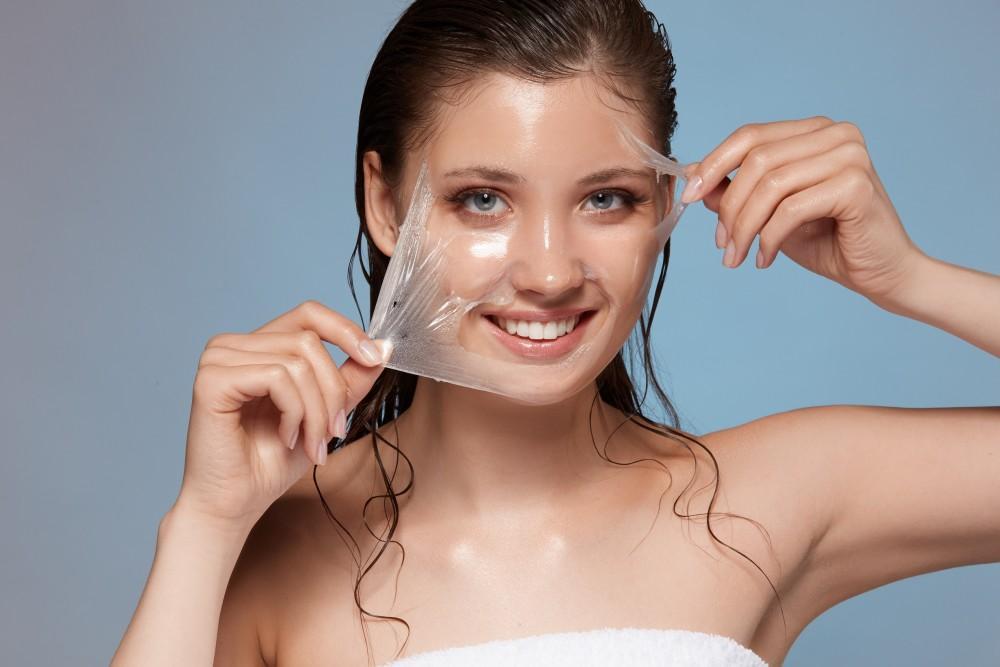
Chemical peels are skincare treatments that use specific acids or chemical solutions to exfoliate the skin. By removing dead skin cells and stimulating cell turnover, peels help unclog pores, reduce acne-causing bacteria, and encourage smoother, clearer skin.
Unlike physical scrubs, chemical peels penetrate deeper into the skin, making them especially effective for treating acne, acne scars, uneven tone, and congestion.
How Chemical Peels Help Treat Acne
Chemical peels address acne at multiple levels:
- Unclog pores by dissolving excess oil and debris
- Reduce acne-causing bacteria
- Control excess sebum production
- Fade post-acne marks and discoloration
- Improve skin texture and tone
- Speed up skin cell turnover
Because acne often develops from a combination of oil buildup, clogged pores, and inflammation, chemical peels can be a powerful addition to an acne treatment plan.
Types of Chemical Peels for Acne
Not all chemical peels are the same. They vary in strength, depth, and purpose. The table below outlines the most common types used for acne treatment.
| Type of Peel | Common Ingredients | Best For | Downtime |
|---|---|---|---|
| Superficial Peel | Salicylic Acid, Glycolic Acid | Mild acne, oily skin | Minimal |
| Medium Peel | Trichloroacetic Acid (TCA) | Moderate acne, acne scars | Few days |
| Deep Peel | Phenol-based solutions | Severe scarring (medical only) | Extended |
| Salicylic Acid Peel | Salicylic Acid (BHA) | Active acne, clogged pores | Minimal |
| Glycolic Acid Peel | Glycolic Acid (AHA) | Texture, acne marks | Minimal |
| Lactic Acid Peel | Lactic Acid | Sensitive or dry acne-prone skin | Minimal |
Most acne treatments rely on superficial or medium peels, as these are effective while maintaining a strong safety profile when done correctly.
Best Chemical Peels for Acne-Prone Skin
1. Salicylic Acid Peels
Salicylic acid is one of the most effective ingredients for acne. As an oil-soluble beta-hydroxy acid, it penetrates deep into pores to dissolve excess oil and debris.
Benefits:
- Ideal for oily and acne-prone skin
- Reduces blackheads and whiteheads
- Calms inflammation
2. Glycolic Acid Peels
Derived from sugarcane, glycolic acid exfoliates the surface layer of the skin and promotes cell renewal.
Benefits:
- Improves skin texture
- Fades acne marks
- Enhances glow and smoothness
3. Lactic Acid Peels
Lactic acid is gentler than glycolic acid and works well for sensitive or dry skin types.
Benefits:
- Mild exfoliation
- Hydration support
- Reduces mild breakouts without irritation
4. Combination Peels
Some peels combine multiple acids to address acne, texture, and pigmentation simultaneously.
Benefits:
- Multi-target treatment
- Balanced exfoliation
- Customizable based on skin needs
Who Is a Good Candidate for Chemical Peels?
Chemical peels can benefit many skin types, but they are especially useful for people who:
- Have persistent acne despite basic skincare
- Struggle with clogged pores or blackheads
- Experience post-acne hyperpigmentation
- Want smoother skin texture
- Have oily or combination skin
However, chemical peels may not be suitable for everyone. Those with very sensitive skin, active infections, or certain skin conditions should consult a qualified professional before treatment.
What to Expect During and After a Chemical Peel
During the Treatment
- Skin is cleansed thoroughly
- The peel solution is applied for a controlled amount of time
- Mild tingling or warmth is common
- The solution is neutralized or removed
After the Treatment
- Redness or mild peeling may occur
- Skin may feel tight or dry
- Breakouts may temporarily increase as pores purge
- Visible improvements appear over time
Downtime depends on the strength of the peel, but most acne-focused peels require little to no recovery time.
Post-Peel Skincare Tips
Proper aftercare is essential to get the best results from a chemical peel:
- Use gentle, fragrance-free cleansers
- Apply a lightweight moisturizer regularly
- Avoid sun exposure and always use sunscreen
- Skip harsh exfoliants for several days
- Follow professional instructions carefully
Many people pair post-peel skincare with makeup products once the skin settles, including lightweight foundations or even products like Best Makeup Setting Sprays for Long Wear to maintain a fresh look without clogging pores.
Benefits of Chemical Peels Compared to Other Acne Treatments
Chemical peels offer advantages over some traditional acne treatments:
- Faster visible results
- Targets multiple concerns at once
- Improves skin texture and tone
- Can be customized to skin type
- Works well alongside other acne treatments
Unlike some medications, chemical peels focus on renewing the skin rather than suppressing oil production alone.
Potential Side Effects and Risks
While generally safe when performed correctly, chemical peels may cause:
- Temporary redness or irritation
- Dryness or flaking
- Sensitivity to sunlight
- Rarely, pigmentation changes if aftercare is ignored
Choosing the right peel strength and following aftercare guidelines significantly reduces risks.
Frequently Asked Questions (FAQs)
How often should chemical peels be done for acne?
Most superficial peels can be done every 2–4 weeks. Medium peels require longer intervals. A professional can recommend a schedule based on your skin.
Do chemical peels cure acne permanently?
Chemical peels help manage and improve acne, but they are not a permanent cure. Consistent skincare and lifestyle habits are still important.
Can chemical peels make acne worse at first?
Some people experience a short “purging” phase as clogged pores clear. This is temporary and usually followed by improvement.
Are chemical peels safe for all skin tones?
Yes, when properly selected and performed. Certain acids and strengths are better suited for deeper skin tones to reduce the risk of pigmentation issues.
Can I do chemical peels at home?
Mild at-home peels exist, but professional treatments are safer and more effective for acne. Improper use can cause irritation or damage.