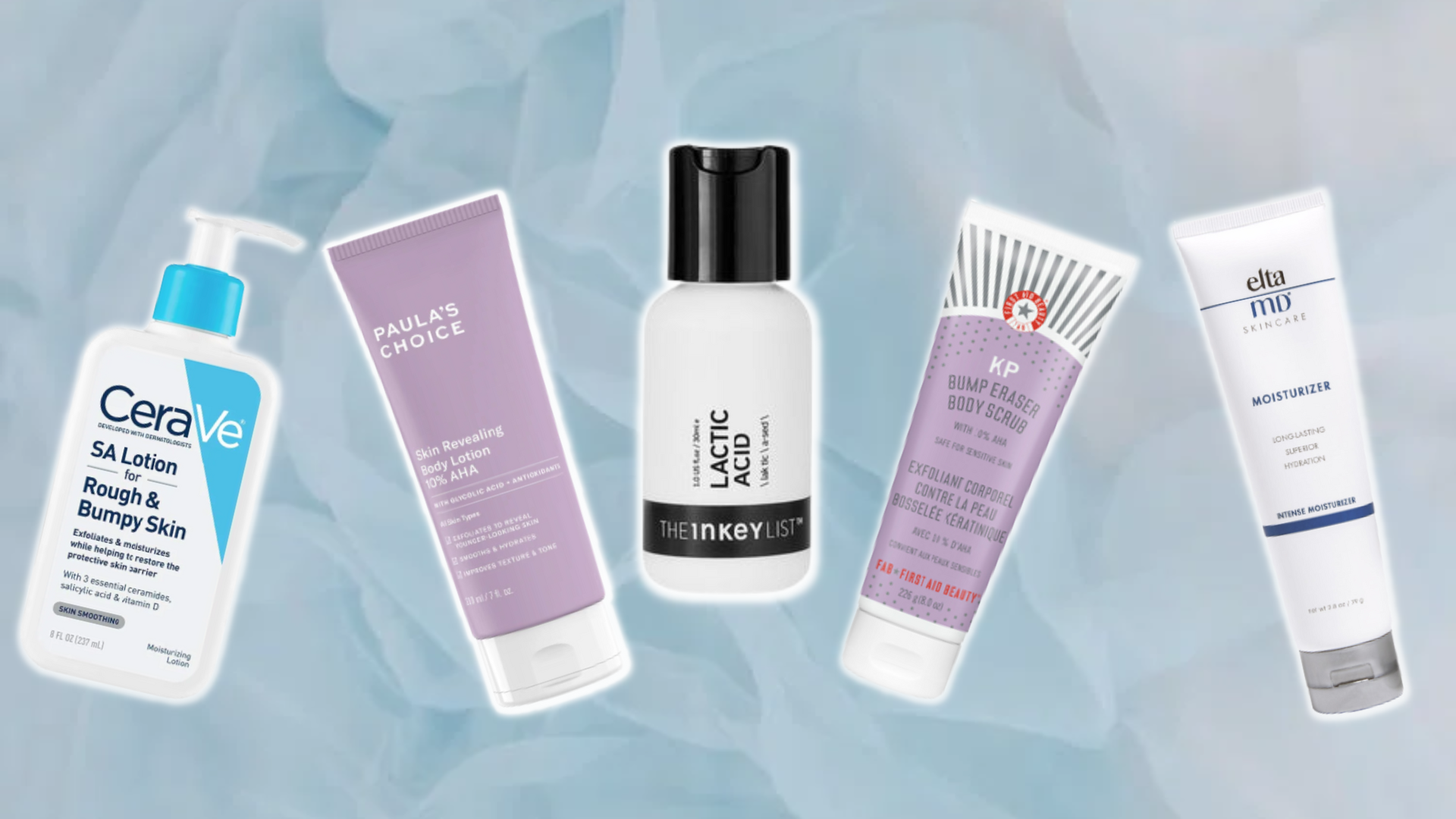
Keratosis pilaris, often called “chicken skin,” is a common and harmless skin condition that causes small, rough bumps—most often on the arms, thighs, cheeks, or buttocks. These bumps form when keratin builds up and blocks hair follicles, leading to uneven texture and dryness. While keratosis pilaris (KP) cannot be permanently cured, the right lotions can significantly smooth the skin, reduce redness, and improve overall appearance.
In this guide, we’ll explore the best lotions for keratosis pilaris, what ingredients actually work, how to apply them for best results, and what to avoid. With consistent care, KP-prone skin can look and feel noticeably smoother.
What Causes Keratosis Pilaris?
Keratosis pilaris develops when excess keratin—a protein that protects the skin—clogs hair follicles. The exact cause isn’t fully understood, but KP is often linked to:
- Dry skin
- Genetics
- Eczema or sensitive skin conditions
- Cold or low-humidity climates
- Infrequent exfoliation
Because dryness plays a major role, hydration combined with gentle exfoliation is the foundation of effective KP treatment.
Why Lotions Are Essential for Treating KP
Lotions designed for keratosis pilaris do more than moisturize. The most effective formulas:
- Soften keratin plugs
- Gently exfoliate dead skin cells
- Improve skin barrier function
- Reduce redness and rough texture
- Prevent future buildup with consistent use
Unlike harsh scrubs, KP lotions work gradually and safely, making them suitable for daily use.
Key Ingredients to Look for in KP Lotions
Not all lotions are created equal. For keratosis pilaris, ingredient selection matters more than brand names.
Most Effective Ingredients
- Lactic Acid (AHA): Gently exfoliates and hydrates
- Urea: Softens thickened skin and improves moisture retention
- Salicylic Acid (BHA): Penetrates pores and reduces keratin buildup
- Glycolic Acid: Improves texture and smoothness
- Ceramides: Strengthen the skin barrier
- Shea Butter and Glycerin: Provide deep hydration
Avoid heavily fragranced products or alcohol-based lotions, as they can worsen dryness and irritation.
Best Lotions for Keratosis Pilaris (Comparison Table)
| Lotion Type | Key Ingredients | Best For | Texture |
|---|---|---|---|
| Lactic Acid Body Lotion | Lactic Acid, Glycerin | Rough texture, dryness | Lightweight cream |
| Urea-Based Repair Lotion | Urea, Ceramides | Thick KP bumps | Rich but fast-absorbing |
| Salicylic Acid Smoothing Lotion | Salicylic Acid, Niacinamide | Clogged follicles | Smooth lotion |
| Glycolic Acid Body Lotion | Glycolic Acid, Aloe | Uneven skin tone | Thin lotion |
| Barrier-Repair Moisturizer | Ceramides, Shea Butter | Sensitive KP skin | Creamy, non-greasy |
These lotions are most effective when used consistently over several weeks.
Best Types of Lotions for KP (Detailed Breakdown)
1. Lactic Acid Lotions
Lactic acid is one of the most popular ingredients for KP because it exfoliates while also hydrating the skin. It helps dissolve keratin plugs and smooth rough patches over time.
Why it works:
- Gentle enough for daily use
- Improves skin softness
- Suitable for sensitive skin types
2. Urea-Based Lotions
Urea is a powerful humectant and keratolytic ingredient. It breaks down thickened skin and allows moisture to penetrate deeply.
Why it works:
- Excellent for stubborn KP
- Softens rough, bumpy areas
- Strengthens the skin barrier
3. Salicylic Acid Lotions
Salicylic acid penetrates deep into hair follicles, making it ideal for KP that looks inflamed or clogged.
Why it works:
- Clears blocked follicles
- Reduces redness
- Best for oily or combination skin
4. Glycolic Acid Lotions
Glycolic acid exfoliates the surface of the skin and improves overall texture and tone.
Why it works:
- Smooths visible bumps
- Enhances skin renewal
- Works well for discoloration caused by KP
5. Barrier-Repair Lotions
For people with sensitive or eczema-prone skin, barrier-repair lotions help prevent irritation while improving KP gradually.
Why it works:
- Restores moisture balance
- Reduces inflammation
- Safe for long-term use
How to Use Lotions for Keratosis Pilaris Effectively
Consistency and technique matter just as much as the product itself.
Step-by-Step Application Tips
- Shower with lukewarm water (hot water dries the skin)
- Use a gentle, fragrance-free cleanser
- Apply lotion immediately after bathing while skin is still slightly damp
- Massage gently—do not scrub aggressively
- Use once or twice daily as directed
Visible improvement usually appears after 3–6 weeks of consistent use.
What to Avoid When Treating KP
- Harsh physical scrubs
- Very hot showers
- Over-exfoliation
- Drying soaps
- Skipping moisturizer
Some people explore professional treatments like Chemical Peels for Acne Treatment for texture-related concerns, but for keratosis pilaris, daily topical care with the right lotion is usually more effective and sustainable.
Lifestyle Tips to Improve KP
In addition to lotions, these habits can help manage KP:
- Use a humidifier in dry climates
- Wear loose, breathable clothing
- Stay hydrated
- Avoid long, hot showers
- Be patient—KP improves gradually
KP often flares in winter and improves in warmer, humid seasons, so routines may need seasonal adjustments.
Frequently Asked Questions (FAQs)
How long does it take for KP lotions to work?
Most people notice smoother skin within 3–4 weeks, with continued improvement over 2–3 months of regular use.
Can keratosis pilaris go away completely?
KP often improves with age, but it may not disappear entirely. Proper skincare can keep it well-controlled.
Are KP lotions safe for daily use?
Yes. Most KP lotions are designed for daily use, but follow product instructions and reduce frequency if irritation occurs.
Can children or teens use KP lotions?
Many gentle KP lotions are suitable for younger users, especially fragrance-free and low-acid formulas. Always check labels.
Should I exfoliate before applying KP lotion?
Gentle exfoliation can help, but overdoing it can worsen KP. Chemical exfoliants in lotions are usually sufficient.