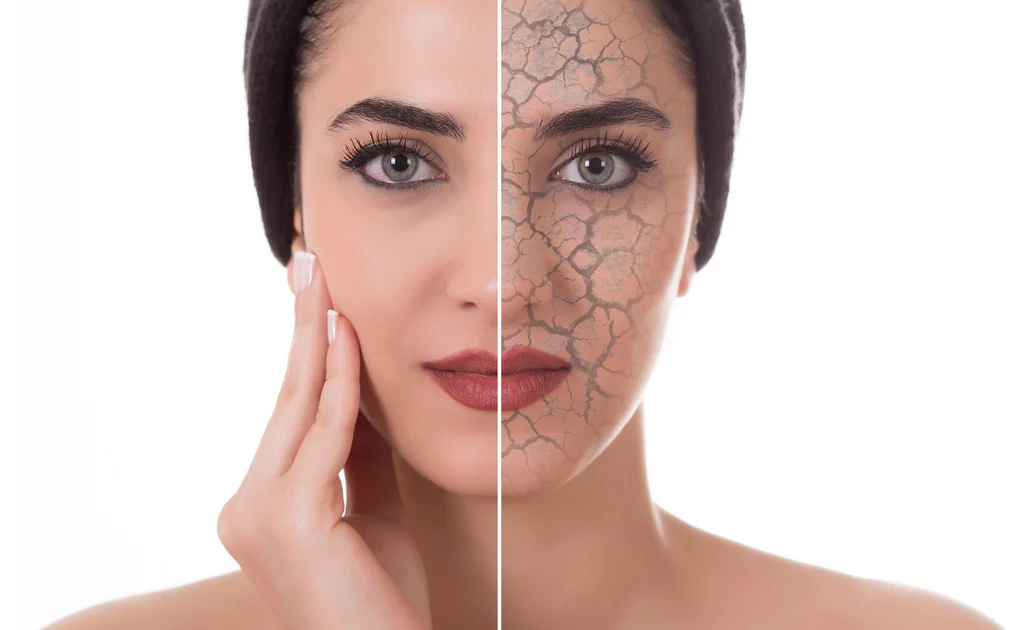
A damaged skin barrier can leave your skin feeling dry, irritated, and sensitive. It often results from over-exfoliation, harsh skincare products, environmental stressors, or poor lifestyle habits. Repairing your skin barrier naturally is essential for maintaining healthy, resilient skin that looks and feels its best.
This article will guide you through how to fix a damaged skin barrier naturally, including steps, ingredients, and lifestyle practices that help restore your skin’s protective layer.
Understanding the Skin Barrier
The skin barrier, also called the stratum corneum, is the outermost layer of your skin. It acts as a protective shield against:
- Environmental pollutants
- Bacteria and pathogens
- Moisture loss
When this barrier is compromised, your skin may become dry, red, irritated, or prone to breakouts. Restoring the barrier is crucial for overall skin health and a radiant complexion.
Signs of a Damaged Skin Barrier
Common signs include:
- Persistent dryness or tightness
- Redness and inflammation
- Increased sensitivity to skincare products
- Flakiness or peeling
- Breakouts or irritation from previously tolerated products
Recognizing these signs early helps prevent further damage and accelerates recovery.
Step 1: Gentle Cleansing
Avoid harsh cleansers that strip natural oils. For a damaged skin barrier:
- Use a sulfate-free, cream-based cleanser
- Wash with lukewarm water, not hot water
- Limit cleansing to twice daily
- Avoid over-washing or scrubbing
A gentle cleanser maintains your skin’s natural oils, which are critical for barrier repair.
Step 2: Hydration and Moisture
Moisturizing is the most important step to restore a damaged barrier. Look for ingredients that support hydration and repair:
- Hyaluronic acid: Attracts and retains water
- Ceramides: Restore the lipid layer of the skin
- Glycerin: Locks in moisture
- Squalane: Provides lightweight nourishment
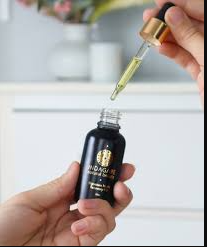
Apply moisturizer immediately after cleansing to trap hydration in the skin. Layering a facial oil at night can provide additional support.
Step 3: Soothing Treatments
Soothing ingredients reduce inflammation and redness while promoting barrier repair. Consider:
- Aloe vera
- Centella asiatica (cica)
- Oat extracts
- Calendula
These ingredients calm irritation and strengthen the skin’s resilience.
Step 4: Avoid Harsh Exfoliation
Over-exfoliation is a leading cause of barrier damage. To repair your skin naturally:
- Skip physical scrubs and harsh chemical exfoliants
- Use gentle chemical exfoliants like lactic acid once or twice a month if necessary
- Focus on hydration and repair rather than aggressive exfoliation
Patience is key—your skin needs time to rebuild its natural defenses.
Step 5: Sun Protection
UV damage worsens a compromised skin barrier. Even when healing, sunscreen is essential:
- Use a broad-spectrum SPF 30 or higher daily
- Choose a mineral sunscreen for sensitive skin
- Reapply during prolonged sun exposure
Protecting your skin from UV rays prevents further damage and supports recovery.
Step 6: Supportive Lifestyle Habits
Healing your skin barrier isn’t just about topical care. Lifestyle factors play a major role:
- Hydrate internally: Drink plenty of water daily
- Balanced diet: Include omega-3 fatty acids, antioxidants, and vitamins
- Limit alcohol and smoking: These deplete skin nutrients
- Stress management: Chronic stress can worsen barrier function
- Humidifier use: Adds moisture to indoor air during dry seasons
These habits complement topical care for faster and more effective repair.
Natural Ingredients for Barrier Repair
| Ingredient | Benefit | How to Use |
|---|---|---|
| Aloe Vera | Soothes irritation | Apply gel or moisturizer with aloe |
| Oat Extract | Calms redness | Use in cleansers, masks, or creams |
| Ceramides | Restore lipid layer | Found in moisturizers and serums |
| Hyaluronic Acid | Hydrates deeply | Use serums or layered with moisturizer |
| Squalane | Nourishes without clogging pores | Apply morning and night |
Comparison: Damaged Barrier Routine vs General Glowing Skin Routine
| Step | Damaged Barrier | How to Get Glowing Skin Naturally at Home |
|---|---|---|
| Cleanser | Gentle, cream-based | Mild cleansing, exfoliation optional |
| Moisturizer | Rich, barrier-repairing | Hydrating, lightweight |
| Treatments | Soothing ingredients | Brightening ingredients like vitamin C or honey |
| Exfoliation | Avoid harsh scrubs | Gentle exfoliation 1–2x/week |
| Sun Protection | Essential daily | Essential daily |
While glowing skin routines focus on radiance and brightness, repairing a damaged barrier prioritizes hydration, protection, and soothing care. Once your barrier is healthy, achieving a natural glow becomes much easier.
FAQs
Q: How long does it take to repair a damaged skin barrier?
It usually takes 2–6 weeks of consistent care to see significant improvement.
Q: Can I use active treatments like retinol while repairing my barrier?
It’s best to pause strong actives until your skin barrier heals, then reintroduce slowly.
Q: Can natural oils help repair the skin barrier?
Yes. Oils like squalane, jojoba, and rosehip can nourish and support recovery.
Q: Should I avoid makeup while repairing the barrier?
Minimal makeup is recommended, but choose non-comedogenic, gentle formulas.
Q: Can diet impact barrier health?
Absolutely. Omega-3 fatty acids, antioxidants, and vitamins A, C, and E support skin repair.
Final Thoughts
Repairing a damaged skin barrier naturally requires gentle care, proper hydration, and protective habits. By focusing on soothing, moisturizing, and supporting your skin with the right ingredients and lifestyle choices, you can restore its resilience and health.
Once your barrier is repaired, achieving healthy, radiant skin is much easier, making How to Get Glowing Skin Naturally at Home more effective and long-lasting.