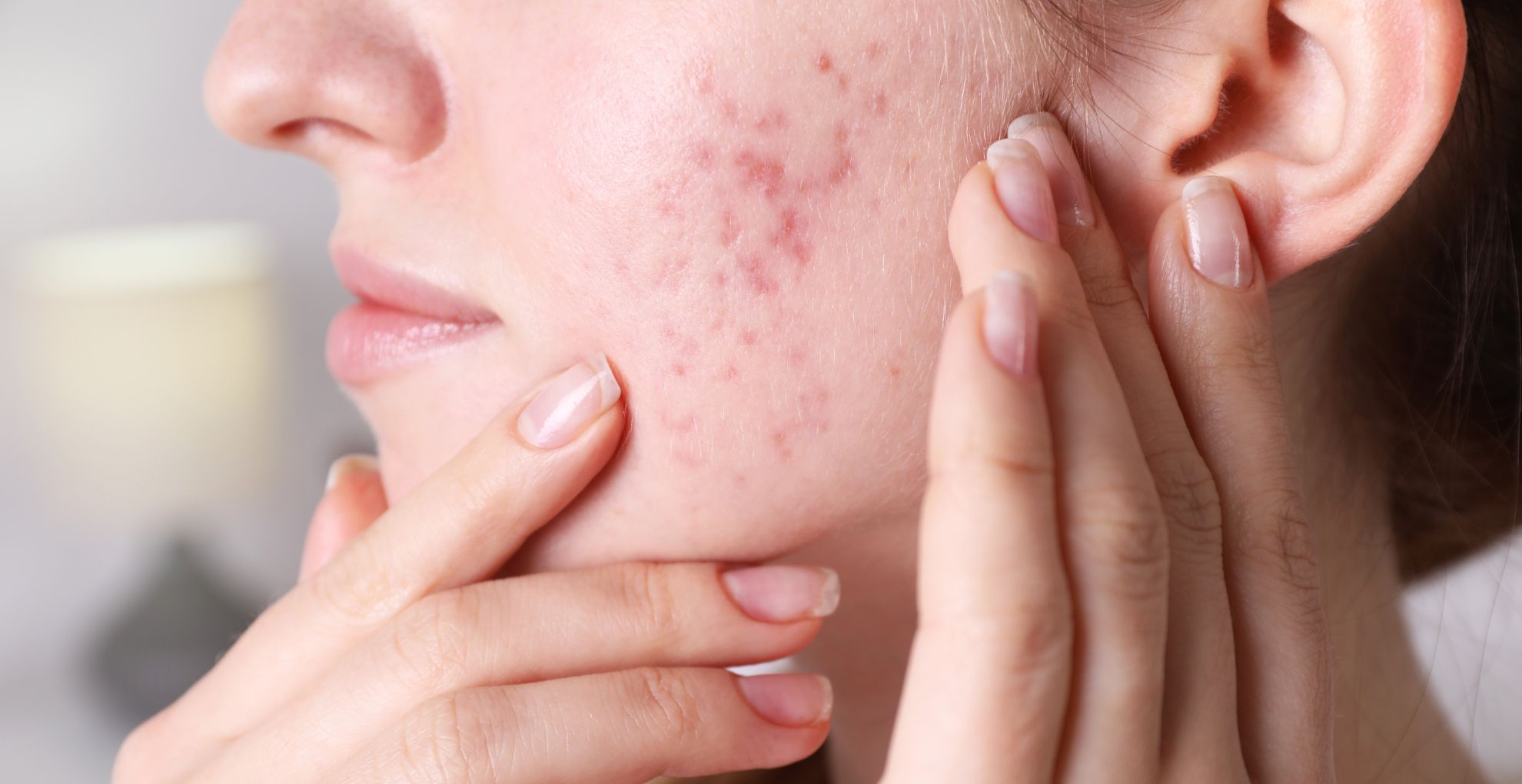
Hormonal acne is a common skin condition that affects teenagers and adults alike, especially women. It often appears around the jawline, chin, and cheeks and is closely linked to hormonal fluctuations. While prescription treatments can be effective, many people prefer natural methods that support skin health without harsh side effects.
This guide explains how to treat hormonal acne naturally using lifestyle changes, skincare habits, and gentle remedies that target the root causes.
What Is Hormonal Acne?
Hormonal acne occurs when fluctuations in hormones—particularly androgens—trigger excess oil production. This oil mixes with dead skin cells and bacteria, leading to clogged pores and inflammation.
Common triggers include:
- Menstrual cycle changes
- Stress and cortisol imbalance
- Poor diet
- Lack of sleep
- Insulin spikes
Understanding these triggers is the first step toward natural treatment.
Why Choose Natural Treatment for Hormonal Acne?
Natural treatments aim to balance the body from within while supporting the skin barrier. Benefits include:
- Fewer side effects
- Long-term skin health
- Improved overall wellness
- Reduced skin sensitivity
Consistency is key when treating hormonal acne naturally.
Natural Ways to Treat Hormonal Acne
1. Balance Your Diet
Diet plays a major role in hormonal health. Reducing refined sugars and processed foods helps control insulin levels, which in turn can reduce acne flare-ups.
Focus on:
- Whole foods
- Leafy greens
- Healthy fats
- Lean proteins
2. Manage Stress Levels
Chronic stress increases cortisol, which can worsen hormonal acne. Daily stress management helps regulate hormone levels.
Natural methods include:
- Meditation
- Light exercise
- Deep breathing
- Adequate sleep
3. Maintain a Gentle Skincare Routine
Over-cleansing or using harsh products can damage the skin barrier and increase breakouts. Choose gentle, non-stripping cleansers and lightweight moisturizers.
A balanced routine similar to a Skincare Routine for Combination Skin Beginners can be especially helpful, as it avoids over-treatment while maintaining hydration.
4. Use Natural Topical Remedies
Some natural ingredients can help soothe inflammation and control acne:
- Tea tree oil: Helps reduce acne-causing bacteria (always dilute)
- Aloe vera: Calms irritation and promotes healing
- Green tea extract: Reduces inflammation and excess oil
Apply these carefully and consistently.
5. Support Hormonal Balance Internally
Lifestyle habits directly affect hormone levels. Prioritize:
- Regular sleep schedule
- Staying hydrated
- Moderate physical activity
- Limiting caffeine and alcohol
These habits support internal balance and healthier skin.
6. Avoid Pore-Clogging Products
Switch to non-comedogenic makeup and skincare products to prevent further breakouts. Heavy creams and oils can worsen hormonal acne.
Weekly Natural Care Plan
| Focus Area | Natural Approach | Benefit |
|---|---|---|
| Diet | Whole, low-sugar foods | Hormone balance |
| Stress | Relaxation techniques | Reduced cortisol |
| Skincare | Gentle cleansing | Barrier protection |
| Topicals | Aloe vera, green tea | Calms inflammation |
| Lifestyle | Sleep and hydration | Skin repair |
How Long Does Natural Treatment Take?
Natural methods require patience. Unlike quick prescription treatments, natural approaches typically show improvement within 4–8 weeks. Long-term consistency delivers the best results.
Common Mistakes to Avoid
- Over-exfoliating inflamed skin
- Using too many active ingredients
- Touching or picking acne
- Expecting overnight results
- Skipping moisturizer
Avoiding these mistakes helps prevent scarring and irritation.
FAQs: How to Treat Hormonal Acne Naturally
1. Can hormonal acne go away naturally?
Yes. With proper lifestyle changes and consistent care, hormonal acne can significantly improve.
2. Is diet really linked to hormonal acne?
Yes. High-sugar and highly processed foods can trigger hormonal imbalances that worsen acne.
3. Should I moisturize if I have hormonal acne?
Yes. Proper hydration supports the skin barrier and can reduce excess oil production.
4. Are natural remedies safe for sensitive skin?
Most are, but patch testing is important to avoid reactions.
5. Can stress alone cause hormonal acne?
Stress can significantly contribute by increasing cortisol levels, which affect oil production.
Final Thoughts
Learning how to treat hormonal acne naturally involves more than topical solutions. By focusing on internal balance, gentle skincare, and healthy habits, you can address the root causes of hormonal acne and achieve clearer skin over time. Natural treatments may take patience, but they offer sustainable, long-term benefits for both skin health and overall well-being.