Introduction
Hyperpigmentation and dark spots are common skin concerns caused by sun exposure, acne scars, hormonal changes, or aging. While sunscreen is essential for prevention, targeted treatments like face serums can help fade existing discoloration and even out skin tone.
Face serums are lightweight, highly concentrated formulations designed to deliver active ingredients deep into the skin. Choosing the right serum can make a noticeable difference in reducing dark spots and achieving a radiant complexion.
This guide explores the best face serums for hyperpigmentation, their benefits, and tips for incorporating them into your daily skincare routine. Using natural remedies like Organic Hair Growth Oils for Thinning Hair alongside topical treatments can also improve overall skin and hair health, creating a holistic beauty regimen.
Key Ingredients to Look for in Serums
When selecting a serum for hyperpigmentation, it’s important to understand which ingredients are most effective:
- Vitamin C
A powerful antioxidant, vitamin C brightens skin, reduces dark spots, and stimulates collagen production. - Niacinamide (Vitamin B3)
Helps reduce pigmentation, improves skin barrier function, and minimizes redness. - Retinol (Vitamin A Derivative)
Speeds up cell turnover, helping fade discoloration and prevent new dark spots from forming. - Alpha Arbutin
Targets melanin production to lighten dark patches without irritation. - Kojic Acid
Derived from fungi, this ingredient inhibits melanin production and brightens skin. - Hyaluronic Acid
Hydrates skin, plumps fine lines, and enhances the penetration of other active ingredients.
Best Face Serums for Hyperpigmentation
1. Vitamin C Serum
Vitamin C serums are ideal for brightening dull skin and fading dark spots. Look for stable formulations with L-ascorbic acid for maximum effectiveness.
2. Niacinamide Serum
Niacinamide reduces pigmentation and strengthens the skin barrier, making it suitable for sensitive or acne-prone skin.
3. Retinol Serum
Retinol serums improve cell turnover, gradually fading dark spots and preventing new pigmentation from forming. Start with lower concentrations to avoid irritation.
4. Alpha Arbutin Serum
Alpha arbutin is gentle yet effective in reducing dark patches caused by sun exposure or post-acne marks.
5. Kojic Acid Serum
Kojic acid helps brighten skin and lighten stubborn dark spots, especially when combined with other antioxidants.
6. Hyaluronic Acid + Brightening Blend
Some serums combine hydration with brightening actives, ensuring the skin stays plump and supple while reducing pigmentation.
Table: Top Face Serums for Hyperpigmentation
| Serum Type | Key Ingredients | Skin Benefits | Usage Tips |
|---|---|---|---|
| Vitamin C Serum | L-ascorbic acid | Brightens skin, fades dark spots | Apply in the morning under sunscreen |
| Niacinamide Serum | Niacinamide, Zinc | Reduces pigmentation, strengthens skin | Suitable for sensitive skin, 1–2x daily |
| Retinol Serum | Retinol, Peptides | Promotes cell turnover, prevents new spots | Use at night, start with low concentration |
| Alpha Arbutin Serum | Alpha Arbutin, Vitamin E | Targets melanin, evens skin tone | Combine with moisturizer for best results |
| Kojic Acid Serum | Kojic Acid, Antioxidants | Lightens stubborn dark spots | Apply at night, patch test first |
| Hyaluronic Acid + Brightening Blend | Hyaluronic Acid, Vitamin C | Hydrates, brightens | Can be layered with other serums |
How to Use Face Serums for Hyperpigmentation
- Cleanse Your Skin: Start with a gentle cleanser to remove dirt, oil, and makeup.
- Apply Toner (Optional): Balances the skin and prepares it for serum absorption.
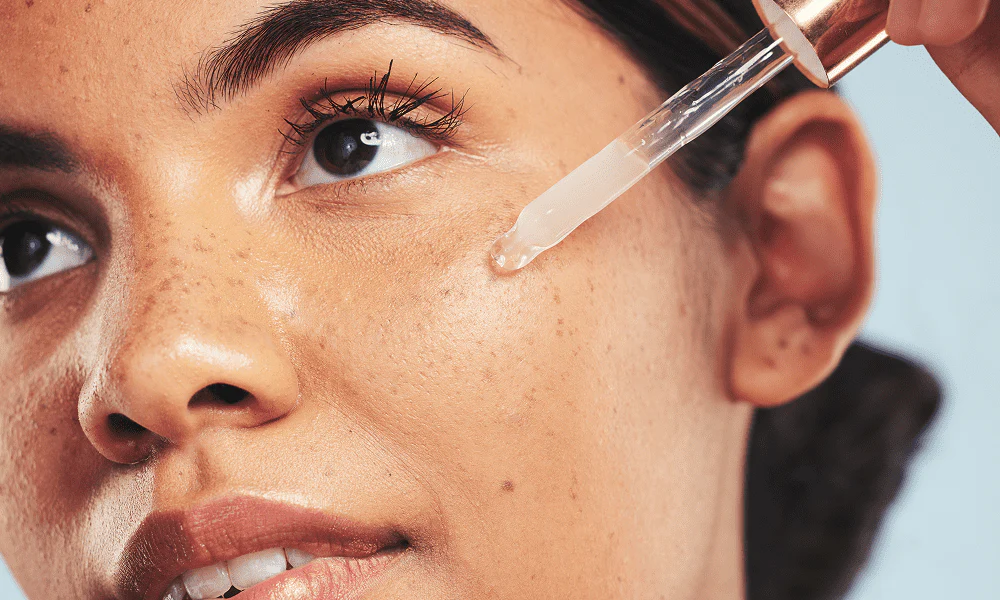
- Use a Targeted Serum: Apply a few drops to the affected areas or the entire face.
- Massage Gently: Pat the serum into the skin using upward motions.
- Moisturize: Lock in the serum with a moisturizer suitable for your skin type.
- Sunscreen: Always apply broad-spectrum sunscreen in the morning to prevent new dark spots.
Consistency is key. Most serums show visible improvements in 4–8 weeks when used correctly.
Additional Tips for Reducing Dark Spots
- Sun Protection: UV exposure worsens hyperpigmentation. Daily sunscreen is crucial.
- Exfoliation: Gentle chemical exfoliants like AHAs or BHAs remove dead skin and enhance serum absorption.
- Healthy Lifestyle: Adequate hydration, a balanced diet, and proper sleep support skin repair.
- Avoid Picking: Picking at acne or blemishes can leave permanent dark marks.
Frequently Asked Questions (FAQs)
Can face serums completely remove dark spots?
Serums can significantly fade dark spots over time, but complete removal may require additional treatments like chemical peels or laser therapy for stubborn pigmentation.
How long does it take to see results?
Consistent use over 4–8 weeks is usually needed for noticeable improvements in skin tone and dark spots.
Can I use multiple serums at once?
Yes, layering serums is possible, but avoid combining strong actives like retinol and vitamin C at the same time. Rotate or use in different routines.
Are these serums suitable for sensitive skin?
Niacinamide and hyaluronic acid-based serums are generally gentle. Always perform a patch test before full application.
Can organic oils help with hyperpigmentation too?
Yes, incorporating natural oils like rosehip or almond oil can complement serum treatments, nourishing the skin and promoting healing.
Conclusion
Hyperpigmentation and dark spots can be effectively managed with the right face serums. Ingredients like vitamin C, niacinamide, retinol, alpha arbutin, and kojic acid target pigmentation while improving overall skin health. Combining serums with good skincare habits—cleansing, moisturizing, sun protection, and incorporating natural remedies like Organic Hair Growth Oils for Thinning Hair—can create a holistic approach to glowing, even-toned skin.
Consistency, patience, and proper usage are key to achieving visible results, making face serums a powerful ally in the fight against hyperpigmentation and dark spots.