Rosacea-prone skin requires extra care, especially when it comes to exfoliation. While exfoliating helps remove dead skin cells and improve texture, aggressive exfoliants can worsen redness, sensitivity, and flare-ups. The key is choosing gentle exfoliators that support skin renewal without compromising the skin barrier.
This guide explains how exfoliation affects rosacea-prone skin, which types of exfoliators are safest, what ingredients to look for, and how to exfoliate correctly without irritation.
Understanding Rosacea-Prone Skin
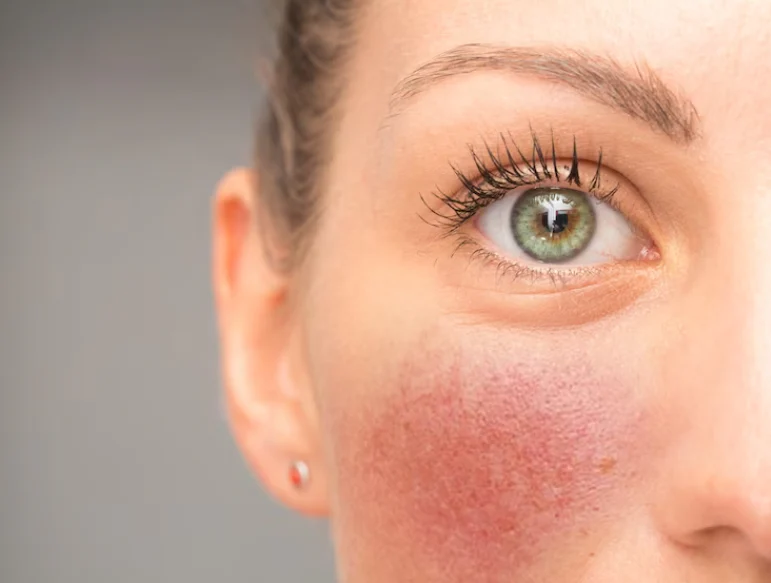
Rosacea is a chronic skin condition characterized by redness, visible blood vessels, sensitivity, and occasional bumps. The skin barrier is often weakened, making it more reactive to harsh ingredients and physical friction.
Common triggers include:
- Harsh skincare products
- Over-exfoliation
- Heat and temperature changes
- Alcohol-based formulas
- Fragrance and essential oils
Because of this sensitivity, exfoliation must be minimal, gentle, and intentional.
Is Exfoliation Necessary for Rosacea-Prone Skin?
Yes, but only in moderation. Gentle exfoliation can help:
- Remove flaky skin
- Improve product absorption
- Smooth uneven texture
- Reduce buildup that may worsen sensitivity
The goal is skin renewal, not aggressive resurfacing.
Types of Gentle Exfoliators Suitable for Rosacea
1. Polyhydroxy Acids (PHAs)
PHAs are the most rosacea-friendly chemical exfoliants.
- Larger molecules penetrate slowly
- Less irritating than AHAs and BHAs
- Provide hydration while exfoliating
They are ideal for beginners and highly sensitive skin.
2. Very Mild AHAs (Low Strength)
Low concentrations of lactic acid or mandelic acid can work for some rosacea-prone individuals.
- Help smooth texture gently
- Support skin hydration
- Must be used sparingly
Patch testing is essential.
3. Enzyme Exfoliators
Enzyme exfoliators dissolve dead skin cells without friction.
- Derived from fruits like papaya or pumpkin
- No scrubbing required
- Suitable for sensitive skin when fragrance-free
These are often safer than physical exfoliants.
Exfoliators Rosacea-Prone Skin Should Avoid
Certain exfoliating methods can worsen rosacea symptoms.
Avoid:
- Physical scrubs with rough particles
- High-strength glycolic acid
- Salicylic acid in high concentrations
- Cleansing brushes or exfoliating tools
- Daily exfoliation
Less frequent, gentler exfoliation yields better long-term results.
Best Ingredients in Gentle Exfoliators for Rosacea
| Ingredient | Benefit | Rosacea-Safe |
|---|---|---|
| PHAs | Mild exfoliation and hydration | Yes |
| Lactic Acid (low %) | Smooths texture gently | Sometimes |
| Enzymes | No-friction exfoliation | Yes |
| Allantoin | Soothes irritation | Yes |
| Panthenol | Strengthens skin barrier | Yes |
Avoid products with strong fragrance or alcohol.
How Often Should You Exfoliate Rosacea-Prone Skin?
For most people with rosacea:
- Once every 7–10 days is sufficient
- Some may tolerate once weekly
- Stop immediately if redness increases
Consistency matters more than frequency.
How to Exfoliate Rosacea-Prone Skin Safely
Step-by-Step Guide
- Cleanse with a gentle, non-foaming cleanser
- Apply a mild exfoliant to dry skin
- Leave on for the recommended time only
- Rinse with lukewarm water
- Apply a soothing moisturizer
Always follow exfoliation with barrier-repairing products.
Supporting the Skin Barrier After Exfoliation
Post-exfoliation care is critical for rosacea-prone skin.
- Use ceramide-rich moisturizers
- Avoid active ingredients for 24–48 hours
- Apply sunscreen daily
- Keep the routine minimal
Just as targeted hair care—such as using Heat Protection Sprays for Fine Hair—prevents damage before it occurs, gentle exfoliation paired with barrier repair helps prevent rosacea flare-ups.
Common Exfoliation Mistakes to Avoid
- Exfoliating during an active flare-up
- Using multiple exfoliants at once
- Rubbing skin aggressively
- Skipping moisturizer afterward
- Exfoliating too frequently
Listening to your skin is essential.
Can Gentle Exfoliation Improve Rosacea Over Time?
While exfoliation does not cure rosacea, gentle and infrequent exfoliation can improve skin texture and reduce flakiness when done correctly. The focus should always be on maintaining a healthy skin barrier rather than pursuing dramatic resurfacing results.
Frequently Asked Questions (FAQs)
Can people with rosacea exfoliate at all?
Yes, but only with very gentle exfoliants and limited frequency.
Are physical scrubs ever safe for rosacea?
Generally no. Physical scrubs often cause micro-tears and trigger redness.
What is the safest exfoliating acid for rosacea?
PHAs are considered the safest option for most rosacea-prone skin types.
Should I exfoliate if my skin is red?
No. Avoid exfoliation during flare-ups or when skin feels irritated.
Do enzyme exfoliators cause tingling?
They should not. Tingling may indicate irritation and the product should be discontinued.
Final Thoughts
Gentle exfoliators for rosacea-prone skin can be beneficial when chosen and used carefully. By focusing on mild ingredients, limiting frequency, and prioritizing barrier repair, exfoliation can support smoother, calmer skin without triggering redness or discomfort.