Acne scars can be persistent, leaving uneven texture, pigmentation, or indents on the skin. Two popular dermatological treatments for improving skin appearance are chemical peels and microdermabrasion. Both methods aim to rejuvenate the skin, but they work differently, and understanding the pros, cons, and suitability of each can help you make an informed decision.
This guide compares chemical peels and microdermabrasion for acne scars, their effectiveness, side effects, and aftercare tips.
Understanding Acne Scars
Acne scars result from inflammation and damage caused by acne. Common types include:
- Ice pick scars: Deep, narrow indentations.
- Boxcar scars: Broad, depressed areas with sharp edges.
- Rolling scars: Wavy or uneven texture.
- Post-inflammatory hyperpigmentation: Dark spots left after acne heals.
Treatment choice depends on scar type, severity, and skin sensitivity.
What is a Chemical Peel?
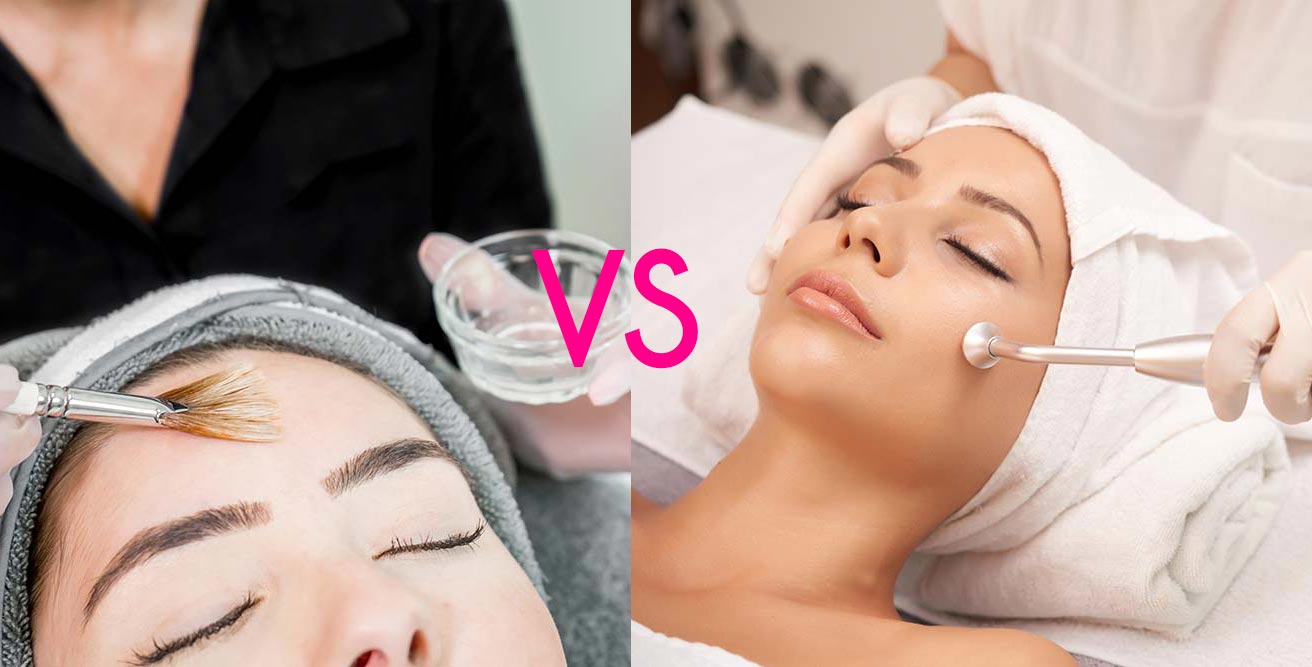
A chemical peel involves applying a solution containing acids like glycolic, salicylic, or lactic acid to exfoliate the top layers of skin. This process stimulates new skin growth, improving texture and tone.
Benefits for Acne Scars:
- Reduces hyperpigmentation and dark spots.
- Improves shallow acne scars and uneven skin texture.
- Stimulates collagen production for smoother skin.
Considerations:
- May cause redness, peeling, or mild irritation after treatment.
- Requires sun protection post-treatment.
- Multiple sessions may be needed for significant improvement.
What is Microdermabrasion?
Microdermabrasion is a mechanical exfoliation technique that removes the outer layer of skin using fine crystals or a diamond-tipped device.
Benefits for Acne Scars:
- Smooths rough texture and shallow scars.
- Enhances product absorption and overall skin brightness.
- Minimal downtime compared to chemical peels.
Considerations:
- Best for mild acne scars; deeper scars may not improve significantly.
- Multiple sessions are often required for noticeable results.
- Slight redness or sensitivity can occur after treatment.
Chemical Peel vs Microdermabrasion: Key Differences
| Feature | Chemical Peel | Microdermabrasion |
|---|---|---|
| Method | Chemical exfoliation with acids | Mechanical exfoliation with crystals or diamond tip |
| Best For | Hyperpigmentation, shallow to moderate acne scars | Mild acne scars, uneven texture |
| Downtime | 3–7 days (depending on peel depth) | Minimal; usually same-day recovery |
| Pain Level | Mild stinging or burning | Generally painless, may feel slight abrasion |
| Sessions Needed | 3–6 for visible results | 5–10 for noticeable improvement |
| Skin Types | Most, but deep peels need caution on darker skin tones | All skin types |
Combining Treatments
For optimal results, dermatologists may recommend combining treatments:
- Microdermabrasion first: Smooths surface and preps skin.
- Chemical peel next: Penetrates deeper for pigmentation and scar improvement.
A combination approach often delivers faster and more noticeable results than either treatment alone.
Post-Treatment Care
Proper aftercare is crucial for healing and maximizing results:
- Sun Protection: Use broad-spectrum sunscreen daily.
- Hydration: Apply gentle moisturizers to prevent dryness. Lightweight options like Lightweight Moisturizer for Humid Weather Conditions help maintain hydration without clogging pores.
- Avoid Harsh Products: Skip retinoids or exfoliants until skin heals.
- Follow Dermatologist Guidance: Adhere to recommended frequency and post-care instructions.
Frequently Asked Questions (FAQs)
Q: Which is better for deep acne scars?
Chemical peels may improve moderate scars, but deep scars often require additional treatments like laser therapy or microneedling.
Q: Can microdermabrasion cause pigmentation issues?
Rarely, but it is generally safe for all skin types. Proper aftercare and sun protection reduce risks.
Q: How many sessions are required for visible improvement?
Microdermabrasion typically requires 5–10 sessions, while chemical peels need 3–6 sessions depending on scar severity.
Q: Are the treatments painful?
Microdermabrasion is usually painless, while chemical peels can cause mild stinging. Topical numbing may be used for stronger peels.
Q: Can I combine these treatments with topical acne scar creams?
Yes, but always consult a dermatologist for the best timing and product compatibility.
Final Thoughts
Both chemical peels and microdermabrasion are effective options for improving acne scars, but choosing the right treatment depends on your skin type, scar severity, and desired results. Microdermabrasion works well for mild texture issues, while chemical peels address pigmentation and deeper scars.
For the best results, pair professional treatments with consistent skincare and post-care practices. Using lightweight, non-comedogenic moisturizers, like a Lightweight Moisturizer for Humid Weather Conditions, keeps your skin hydrated, promotes healing, and ensures that your acne scar treatments yield smoother, glowing skin over time.