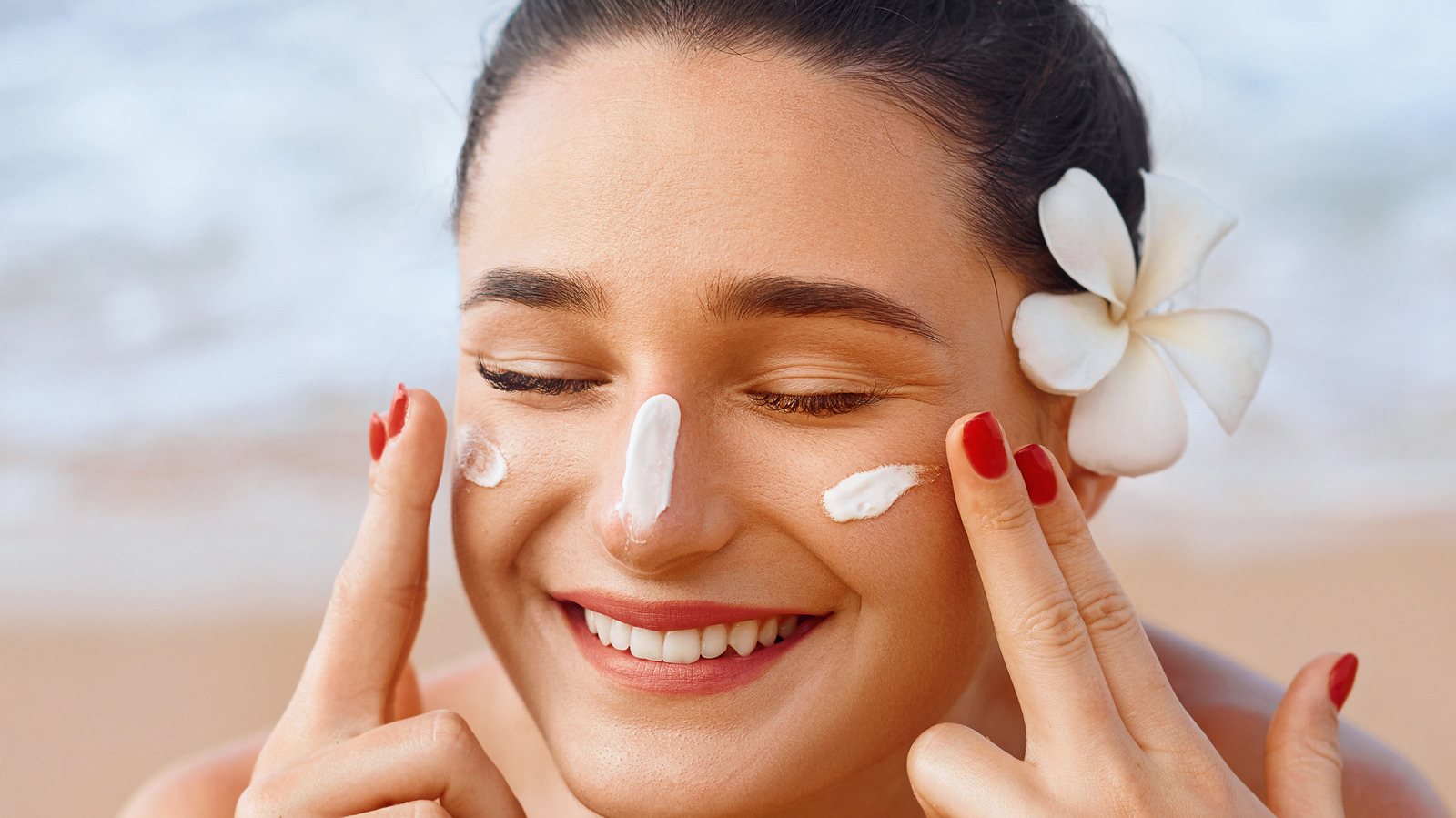
If you have rosacea-prone skin, finding the right sunscreen can feel overwhelming. Many formulas cause burning, redness, or breakouts. That’s why choosing the right mineral sunscreen for rosacea-prone skin is essential. Mineral sunscreens provide gentle, broad-spectrum protection without irritating sensitive skin.
In this comprehensive guide, you’ll learn why mineral sunscreen is ideal for rosacea, what ingredients to look for, how to apply it properly, and how to build a soothing skincare routine around it. A helpful comparison table and FAQs are included to make your decision easier.
What Is Rosacea?
Rosacea is a chronic skin condition characterized by:
- Persistent redness
- Visible blood vessels
- Flushing
- Bumps or acne-like breakouts
- Skin sensitivity
Triggers often include sun exposure, heat, spicy foods, stress, and harsh skincare products. Because UV rays are one of the most common triggers, daily sunscreen use is non-negotiable.
Why Mineral Sunscreen Is Best for Rosacea-Prone Skin
There are two main types of sunscreen: chemical and mineral.
Chemical Sunscreen
Absorbs UV rays and converts them into heat. However, it can sometimes irritate sensitive or rosacea-prone skin.
Mineral (Physical) Sunscreen
Sits on the skin’s surface and reflects UV rays. It is generally gentler and less likely to cause stinging or redness.
A mineral sunscreen for rosacea-prone skin typically contains zinc oxide, titanium dioxide, or both — ingredients known for being calming and non-irritating.
Key Ingredients to Look For
When selecting the right product, pay attention to the ingredient list.
Zinc Oxide
The gold standard for rosacea. It provides broad-spectrum protection and has soothing properties.
Titanium Dioxide
Also effective for UV protection, though slightly less calming than zinc oxide.
Niacinamide
Helps reduce redness and strengthen the skin barrier.
Ceramides
Support the skin’s protective barrier and prevent moisture loss.
Aloe Vera or Green Tea Extract
Calming ingredients that reduce inflammation.
Avoid fragrances, alcohol, menthol, and harsh preservatives.
Ingredient Comparison Table
Below is a quick guide to help you understand what works best for rosacea-prone skin:
| Ingredient | Purpose | Suitable for Rosacea? | Notes |
|---|---|---|---|
| Zinc Oxide | UV protection, calming | Yes | Highly recommended |
| Titanium Dioxide | UV protection | Yes | Gentle and stable |
| Niacinamide | Reduces redness | Yes | Strengthens barrier |
| Alcohol | Quick absorption | No | Can cause dryness and irritation |
| Fragrance | Adds scent | No | Common trigger |
| Ceramides | Restores barrier | Yes | Ideal for dry, sensitive skin |
How to Apply Mineral Sunscreen Correctly
Proper application is just as important as choosing the right formula.
Step-by-Step Application:
- Cleanse with a gentle, non-foaming cleanser.
- Apply a calming moisturizer.
- Use a nickel-sized amount of mineral sunscreen for the face.
- Gently spread without aggressive rubbing.
- Reapply every 2 hours if exposed to sun.
Avoid rubbing the product in too forcefully, as friction can trigger redness.
Choosing the Right Texture
Rosacea-prone skin can be dry, oily, or combination. Select a formula that matches your skin type:
- Cream-based sunscreen – Best for dry or sensitive skin
- Lightweight lotion – Suitable for combination skin
- Tinted mineral sunscreen – Helps neutralize redness
Tinted formulas are especially beneficial because they even out redness while protecting against UV rays.
Benefits of Using Mineral Sunscreen Daily
Using a mineral sunscreen for rosacea-prone skin consistently can:
- Reduce flare-ups caused by sun exposure
- Minimize redness over time
- Strengthen the skin barrier
- Prevent premature aging
- Protect against hyperpigmentation
Sun protection is one of the most effective ways to manage rosacea symptoms long term.
Common Mistakes to Avoid
Even with the right product, certain habits can worsen rosacea.
- Skipping sunscreen on cloudy days
- Using products with fragrance
- Over-exfoliating
- Applying too little sunscreen
- Ignoring reapplication
Gentle, consistent care is key.
Building a Rosacea-Friendly Skincare Routine
A simple routine works best:
Morning
- Gentle cleanser
- Soothing serum (niacinamide optional)
- Moisturizer
- Mineral sunscreen
Night
- Gentle cleanser
- Calming serum
- Barrier-repair cream
Avoid overloading your routine with strong actives like high-strength retinol or exfoliating acids.
Can You Wear Makeup Over Mineral Sunscreen?
Yes, but be careful not to irritate the skin. Let sunscreen fully absorb before applying foundation or concealer.
If you enjoy wearing makeup enhancements such as lashes, apply them gently and avoid harsh adhesives. For reference, learning techniques similar to How to Apply False Eyelashes Step by Step can help minimize tugging or irritation around sensitive areas.
How Long Does It Take to See Improvement?
While sunscreen does not cure rosacea, consistent daily use can significantly reduce flare-ups triggered by sun exposure within a few weeks. Long-term use prevents worsening of redness and visible blood vessels.
FAQs About Mineral Sunscreen for Rosacea-Prone Skin
1. Is mineral sunscreen better than chemical sunscreen for rosacea?
Yes, mineral formulas are generally gentler and less likely to cause irritation.
2. Does mineral sunscreen leave a white cast?
Some formulas may, but tinted options or well-formulated products reduce this effect.
3. Can sunscreen alone treat rosacea?
No, but it prevents flare-ups and protects the skin from further damage.
4. Should I wear sunscreen indoors?
If you’re near windows or exposed to sunlight, yes.
5. How often should I reapply?
Every two hours during sun exposure.
6. Can mineral sunscreen clog pores?
Non-comedogenic formulas are designed not to clog pores. Always check labels.
Final Thoughts
Choosing the right mineral sunscreen for rosacea-prone skin is one of the most important steps in managing redness and sensitivity. Look for zinc oxide-based formulas, avoid harsh additives, and apply generously every day.