

Teenagers often face unique skin challenges due to hormonal changes, lifestyle habits, and environmental factors. Acne is one of the most common concerns during adolescence, affecting confidence and daily routines. While it can be frustrating, a consistent skincare and beauty routine tailored for acne-prone skin can make a significant difference.
This guide provides practical beauty tips, recommended products, and lifestyle advice for acne-prone teenagers to achieve healthier, balanced skin.
Understanding Acne in Teenagers
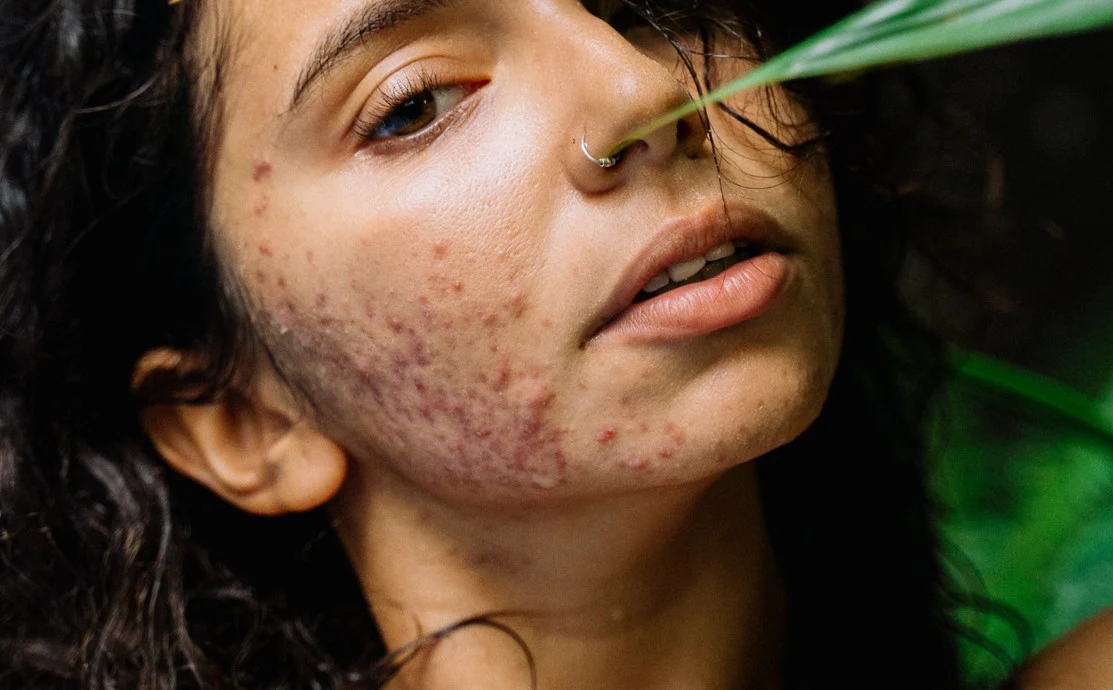
Acne occurs when hair follicles become clogged with oil, dead skin cells, and bacteria. Hormonal fluctuations during puberty can increase sebum production, contributing to breakouts. Common signs of acne include:
- Whiteheads and blackheads
- Red, inflamed pimples
- Cystic acne in severe cases
- Oily skin and enlarged pores
Recognizing the type of acne is essential for creating an effective skincare routine.
Essential Skincare Steps for Acne-Prone Teenagers
1. Gentle Cleansing
Use a mild, non-comedogenic cleanser twice daily to remove dirt, oil, and sweat. Avoid harsh soaps that strip the skin, which can trigger more oil production. Ingredients like salicylic acid or benzoyl peroxide help prevent breakouts.
2. Exfoliation
Exfoliate 1–2 times a week with gentle chemical exfoliants such as glycolic acid or lactic acid. Avoid physical scrubs that can irritate inflamed skin. Exfoliation helps remove dead skin cells, unclog pores, and promote a smoother texture.
3. Moisturizing
Even acne-prone skin needs hydration. Lightweight, oil-free moisturizers prevent dryness without adding excess oil. Look for non-comedogenic products containing hyaluronic acid or aloe vera.
4. Sun Protection
Sunscreen protects the skin from UV damage and prevents acne scars from darkening. Choose a matte, oil-free formula designed for sensitive or acne-prone skin.
5. Targeted Treatments
Spot treatments containing benzoyl peroxide, salicylic acid, or tea tree oil can help reduce active pimples. Use sparingly to avoid irritation.
Makeup Tips for Acne-Prone Teens
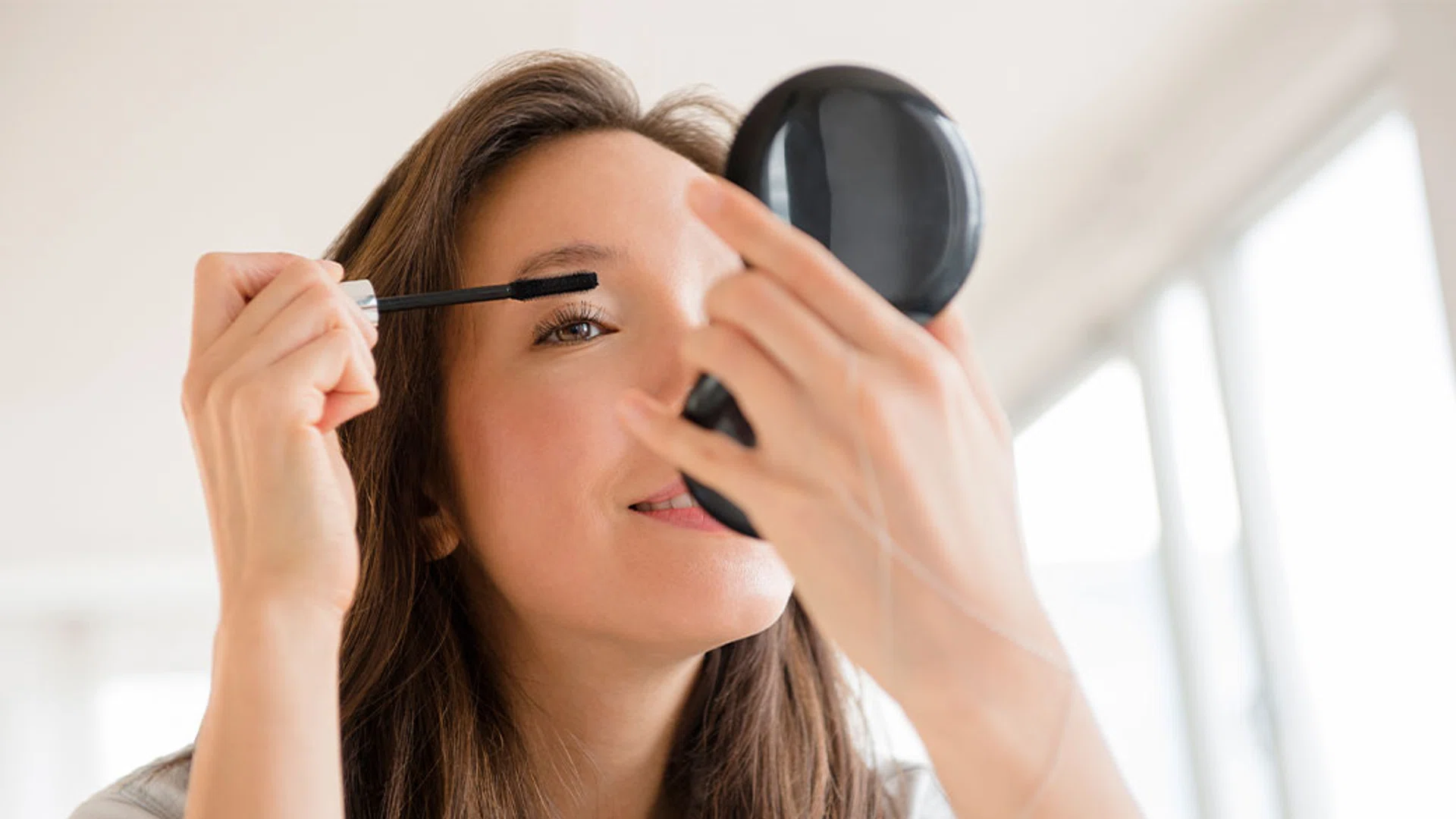
- Choose non-comedogenic, lightweight makeup products
- Avoid heavy foundations that can clog pores
- Use mineral-based powders or BB creams for a natural look
- Remove makeup thoroughly every night to prevent breakouts
Hair and Lifestyle Tips
- Keep hair clean and away from the face to prevent oil transfer
- Avoid touching the face frequently, which spreads bacteria
- Maintain a balanced diet and hydrate adequately
- Ensure good sleep to support skin repair
- Avoid excessive stress, which can trigger acne flare-ups
Some natural routines, like using Natural Remedies for Hair Fall for scalp health, can also indirectly help maintain balanced oil production in teens prone to acne, as overall skin and hair health are connected.
Recommended Products by Step
| Step | Product Type | Key Ingredients | Benefit |
|---|---|---|---|
| Cleanser | Gel or foaming cleanser | Salicylic acid, tea tree oil | Removes excess oil and impurities |
| Exfoliator | Chemical exfoliant | Glycolic acid, lactic acid | Prevents clogged pores |
| Moisturizer | Lightweight gel moisturizer | Hyaluronic acid, aloe vera | Hydrates without heaviness |
| Sunscreen | Oil-free SPF 30+ | Zinc oxide, non-comedogenic | Protects against UV damage |
| Spot Treatment | Acne treatment gel | Benzoyl peroxide, salicylic acid | Reduces active pimples |
Common Mistakes to Avoid
- Over-washing, which irritates the skin
- Using harsh scrubs or aggressive treatments
- Popping or squeezing pimples, leading to scars
- Skipping sunscreen due to fear of greasiness
- Applying heavy makeup daily without proper cleansing
Healthy Habits for Acne-Prone Teens
- Maintain a consistent skincare routine
- Limit sugary, greasy, and processed foods
- Drink plenty of water to stay hydrated
- Exercise regularly and cleanse skin after workouts
- Keep pillowcases and towels clean to avoid bacteria buildup
Frequently Asked Questions (FAQs)
Can teenagers use adult acne products?
Some adult products may be too strong for teen skin. Look for formulations specifically for young or sensitive skin.
How long does it take to see results?
Consistency is key. Most skincare routines show improvement within 4–6 weeks.
Can diet affect acne?
Yes, high sugar and dairy intake may worsen breakouts in some teens. A balanced diet supports overall skin health.
Is it okay to wear makeup with acne?
Yes, if using non-comedogenic and lightweight products, but always remove makeup before bedtime.
Can natural remedies help with acne?
Some natural remedies like tea tree oil or green tea extract can reduce inflammation, but they should be used cautiously and in moderation.
Conclusion
Acne-prone teenagers can achieve clearer, healthier skin by following a consistent skincare routine that focuses on gentle cleansing, exfoliation, hydration, sun protection, and targeted treatments. Makeup choices and lifestyle habits also play a significant role in managing breakouts. Complementary routines, such as addressing overall health through Natural Remedies for Hair Fall, help maintain skin and scalp balance, contributing to long-term wellness. With patience and care, teenagers can enjoy balanced, glowing skin while building lifelong habits for healthy skin management.