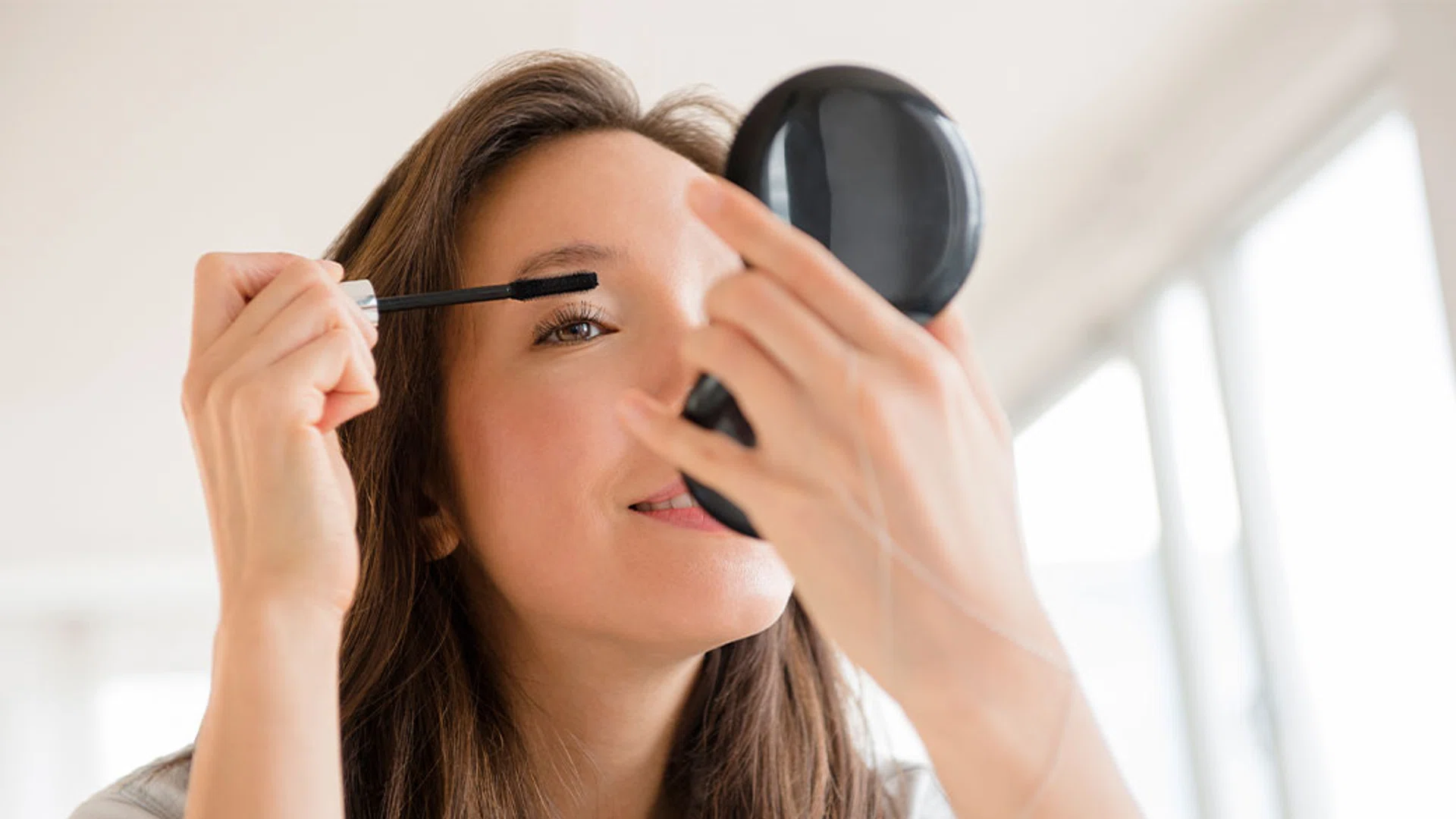


Removing makeup thoroughly is one of the most important steps in any skincare routine. Leftover makeup residue can clog pores, cause breakouts, and prevent skincare products from working effectively. Choosing the right cleanser ensures your skin stays clean, balanced, and healthy without feeling stripped or irritated.
This guide explores the best types of cleansers for removing makeup residue, how to choose the right one for your skin type, and tips for effective cleansing.
Why Removing Makeup Residue Matters
Makeup residue goes beyond visible foundation or mascara. Tiny particles of makeup, sunscreen, and pollution can remain on the skin even after washing. Over time, this buildup can lead to:
- Clogged pores and acne
- Dull and uneven skin tone
- Premature aging
- Reduced effectiveness of skincare products
Using a cleanser designed to break down makeup is essential for maintaining clear skin.
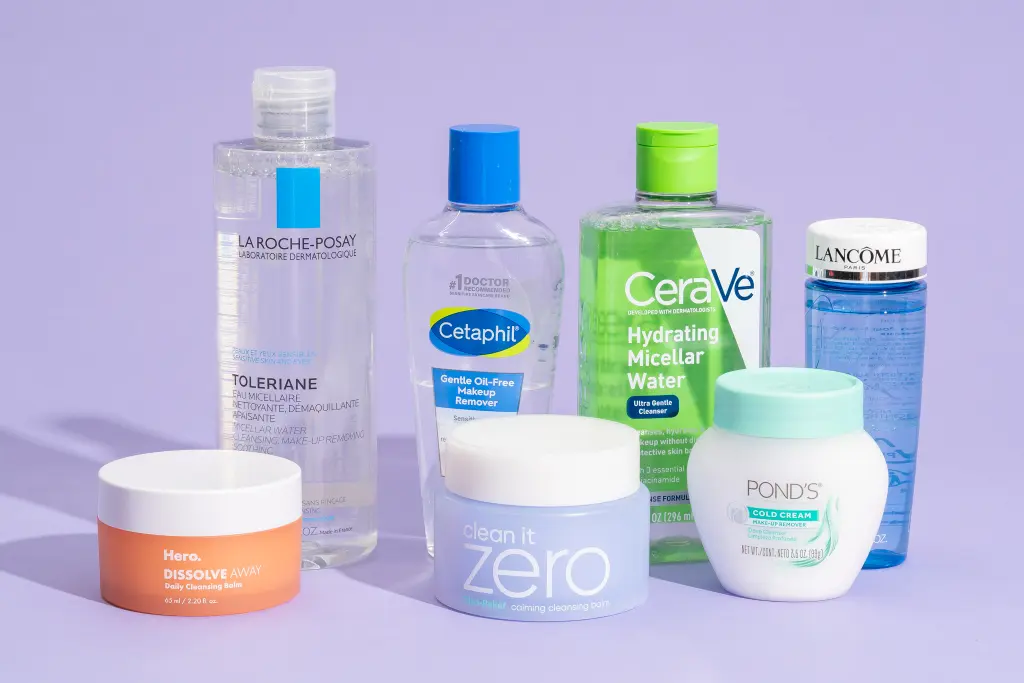
Types of Cleansers That Remove Makeup Effectively
1. Oil-Based Cleansers
Oil-based cleansers are highly effective at dissolving makeup, including waterproof products.
Benefits:
- Break down heavy makeup gently
- Maintain the skin’s natural moisture
- Suitable for most skin types
Despite common myths, oil cleansers can work well even for oily skin.
2. Micellar Water
Micellar water contains tiny cleansing molecules that attract makeup and impurities.
Best for:
- Light makeup
- Sensitive skin
- Quick cleansing routines
It’s gentle and does not require rinsing, though rinsing is still recommended for deeper cleansing.
3. Cleansing Balms
Cleansing balms start as a solid and melt into an oil when applied to the skin.
Why they work well:
- Remove stubborn makeup
- Provide a luxurious texture
- Leave skin soft and nourished
They are especially effective for dry or winter-stressed skin.
4. Cream and Milk Cleansers
These cleansers have a soft, creamy texture and are ideal for everyday makeup removal.
Ideal for:
- Dry or sensitive skin
- Minimal irritation
- Maintaining skin comfort
They clean without stripping away natural oils.
5. Gel and Foam Cleansers (As a Second Step)
Gel and foam cleansers work best after makeup has already been removed.
Use them to:
- Clean residual impurities
- Refresh the skin
- Complete a double-cleansing routine
On their own, they may not fully remove heavy makeup.
Choosing the Best Cleanser for Your Skin Type
Dry Skin
Look for oil cleansers, balms, or cream cleansers with hydrating ingredients.
Oily or Acne-Prone Skin
Opt for lightweight oil cleansers followed by a gentle gel cleanser.
Sensitive Skin
Choose fragrance-free, alcohol-free formulas with soothing ingredients.
The Double Cleansing Method Explained
Double cleansing involves using two cleansers:
- An oil-based cleanser to dissolve makeup
- A water-based cleanser to clean the skin
This method ensures no residue remains, allowing your skincare products to absorb better.
How to Properly Remove Makeup Residue
Follow these steps for effective cleansing:
- Start with dry hands and dry skin
- Massage the cleanser gently for 30–60 seconds
- Add water to emulsify, if needed
- Rinse thoroughly with lukewarm water
- Follow with a second cleanser if necessary
Avoid harsh scrubbing, especially around the eyes.
Common Mistakes to Avoid
- Using makeup wipes as the only cleansing step
- Rushing the cleansing process
- Using harsh soaps on the face
- Skipping cleansing before bed
These habits can leave residue behind and damage the skin barrier.
Seasonal Considerations for Makeup Removal
In colder months, skin tends to be drier and more sensitive. Using nourishing cleansers helps maintain hydration while removing makeup. Pairing gentle cleansers with Moisturizing Creams for Cold Weather helps protect the skin barrier and prevent dryness after cleansing.
Frequently Asked Questions (FAQs)
Can cleanser alone remove waterproof makeup?
Oil-based cleansers and balms can effectively remove waterproof makeup, while regular gel cleansers usually cannot.
Is micellar water enough for daily makeup removal?
It works for light makeup, but heavier makeup may require an oil or balm cleanser.
Should I cleanse twice even if I don’t wear makeup?
Yes. Cleansing removes sunscreen, oil, and environmental pollutants.
Can improper cleansing cause breakouts?
Yes. Leftover makeup residue can clog pores and lead to acne.
How long should cleansing take?
At least 30 seconds of gentle massage ensures effective removal without irritation.
Final Thoughts
Choosing the best cleanser for removing makeup residue is essential for healthy, clear skin. A good cleanser not only removes makeup but also supports your skin’s natural balance. By understanding different cleanser types and matching them to your skin’s needs, you can prevent buildup, irritation, and breakouts.