

Managing acne-prone skin requires the right combination of cleansing, treatment, and hydration. Face masks can play a powerful role in controlling excess oil, reducing inflammation, and preventing breakouts. Choosing the best face masks for acne-prone skin helps detoxify pores, calm irritation, and promote clearer, healthier skin.
In this guide, we’ll explore the most effective types of face masks, key ingredients to look for, and how to use them properly for maximum results.
Why Face Masks Help Acne-Prone Skin
Acne develops due to clogged pores, excess oil production, bacteria buildup, and inflammation. Face masks work by:
- Drawing out impurities
- Absorbing excess oil
- Soothing redness
- Reducing pore congestion
- Supporting skin healing
When used consistently, the right mask can significantly improve overall skin clarity.
Key Ingredients to Look For
If you are shopping for the best face masks for acne-prone skin, focus on formulas that contain these proven ingredients:
1. Clay (Kaolin or Bentonite)
Clay masks are excellent for oily and acne-prone skin because they:
- Absorb excess sebum
- Unclog pores
- Reduce shine
- Detoxify skin
Clay is especially helpful for people experiencing frequent breakouts.
2. Salicylic Acid
Salicylic acid is a beta-hydroxy acid (BHA) that penetrates deep into pores. It:
- Dissolves oil buildup
- Removes dead skin cells
- Reduces blackheads and whiteheads
It is ideal for treating active acne and preventing future breakouts.
3. Charcoal
Activated charcoal works similarly to clay by pulling toxins and impurities from pores. It helps:
- Deep clean congested skin
- Reduce oiliness
- Improve overall skin texture
Charcoal masks are popular for weekly deep cleansing.
4. Tea Tree Oil
Tea tree oil is known for its antibacterial and anti-inflammatory properties. It:
- Fights acne-causing bacteria
- Reduces redness
- Soothes inflamed breakouts
However, sensitive skin types should patch-test before use.
5. Niacinamide
Niacinamide helps regulate oil production and strengthens the skin barrier. It also:
- Reduces redness
- Improves skin tone
- Minimizes enlarged pores
It is gentle enough for regular use.
Types of Face Masks for Acne-Prone Skin
Different mask types serve different purposes. Here’s a comparison:
| Mask Type | Best For | Main Benefit |
|---|---|---|
| Clay Mask | Oily skin | Oil absorption |
| Charcoal Mask | Deep pore cleansing | Detoxifying effect |
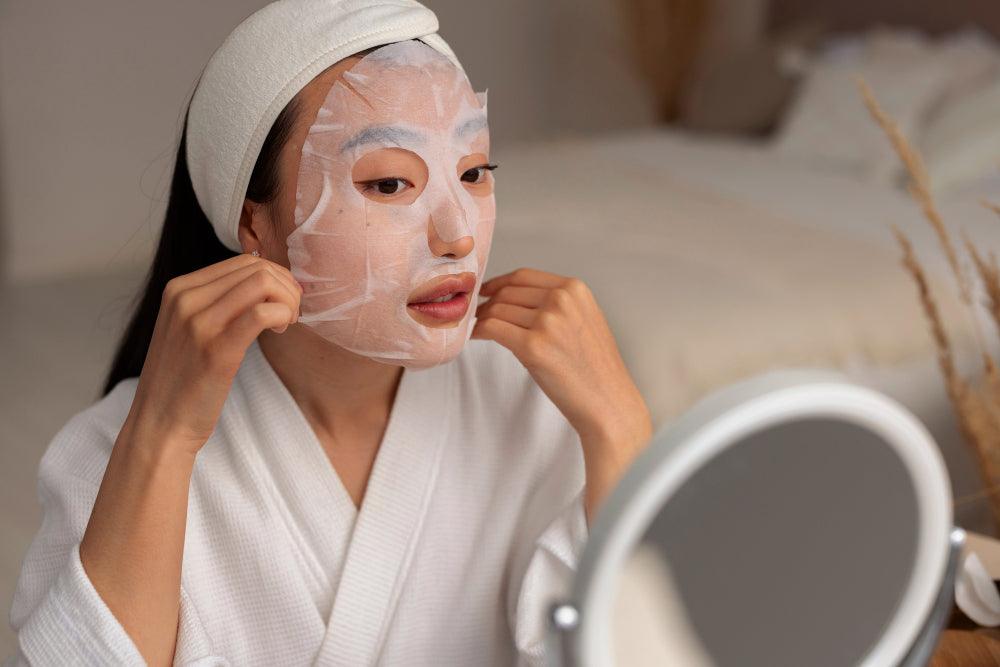
| Sheet Mask (Acne Formula) | Redness & irritation | Hydration + calming |
| Gel Mask | Sensitive acne-prone skin | Soothing & cooling |
| Exfoliating Mask | Clogged pores | Gentle resurfacing |
Choosing the right type depends on your specific skin concerns.
How Often Should You Use a Face Mask?
- Oily skin: 2–3 times per week
- Combination skin: 1–2 times per week
- Sensitive acne-prone skin: Once weekly
Overusing masks can strip the skin and trigger more oil production, which may worsen acne.
How to Apply a Face Mask Properly
To get the best results:
- Cleanse your face thoroughly.
- Apply an even layer of the mask.
- Leave on for the recommended time (usually 10–15 minutes).
- Rinse with lukewarm water.
- Follow with a lightweight, non-comedogenic moisturizer.
Always apply sunscreen during the day if your mask contains exfoliating ingredients.
Common Mistakes to Avoid
Many people unintentionally worsen acne by:
- Using harsh masks daily
- Combining too many active ingredients
- Skipping moisturizer after masking
- Using products not suited for their skin type
Balance is essential for acne-prone skin.
Can Acne-Prone Skin Use Hydrating Masks?
Yes. Acne-prone skin still needs hydration. In fact, dehydration can trigger excess oil production.
Look for gel-based or lightweight hydrating masks containing:
- Aloe vera
- Hyaluronic acid
- Centella asiatica
- Cucumber extract
These ingredients soothe without clogging pores.
Natural Face Mask Options
Some natural ingredients can help mild acne:
- Honey (antibacterial)
- Aloe vera (soothing)
- Green tea (anti-inflammatory)
However, homemade masks may not be as effective as dermatologist-formulated treatments for persistent acne.
Building a Complete Skincare Routine
Face masks are only one part of acne management. A balanced routine includes:
- Gentle cleanser
- Acne-targeted serum
- Lightweight moisturizer
- Sunscreen
- Weekly mask treatment
If you are also concerned about aging, you can incorporate targeted treatments like Anti-Aging Serums for Women Over 40, ensuring you choose formulas that are non-comedogenic and suitable for acne-prone skin.
Signs a Mask Is Not Working
Stop using a mask if you notice:
- Increased redness
- Excessive dryness or peeling
- Burning sensation
- More frequent breakouts
Consult a dermatologist if acne persists or worsens.
Final Thoughts
The best face masks for acne-prone skin combine oil control, gentle exfoliation, and soothing ingredients. Whether you choose clay, charcoal, or salicylic acid-based formulas, consistency and proper application are key to clearer skin.