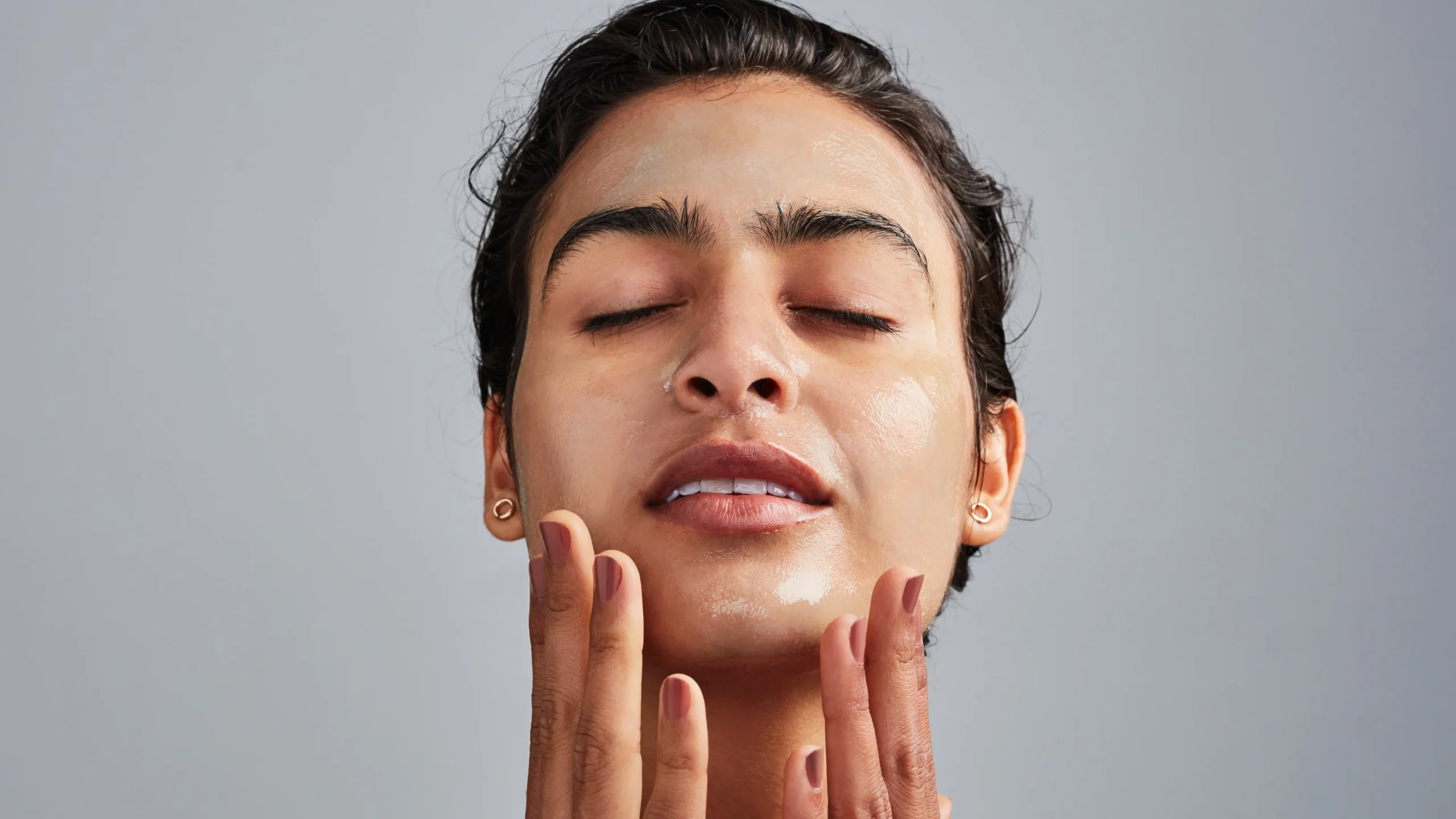


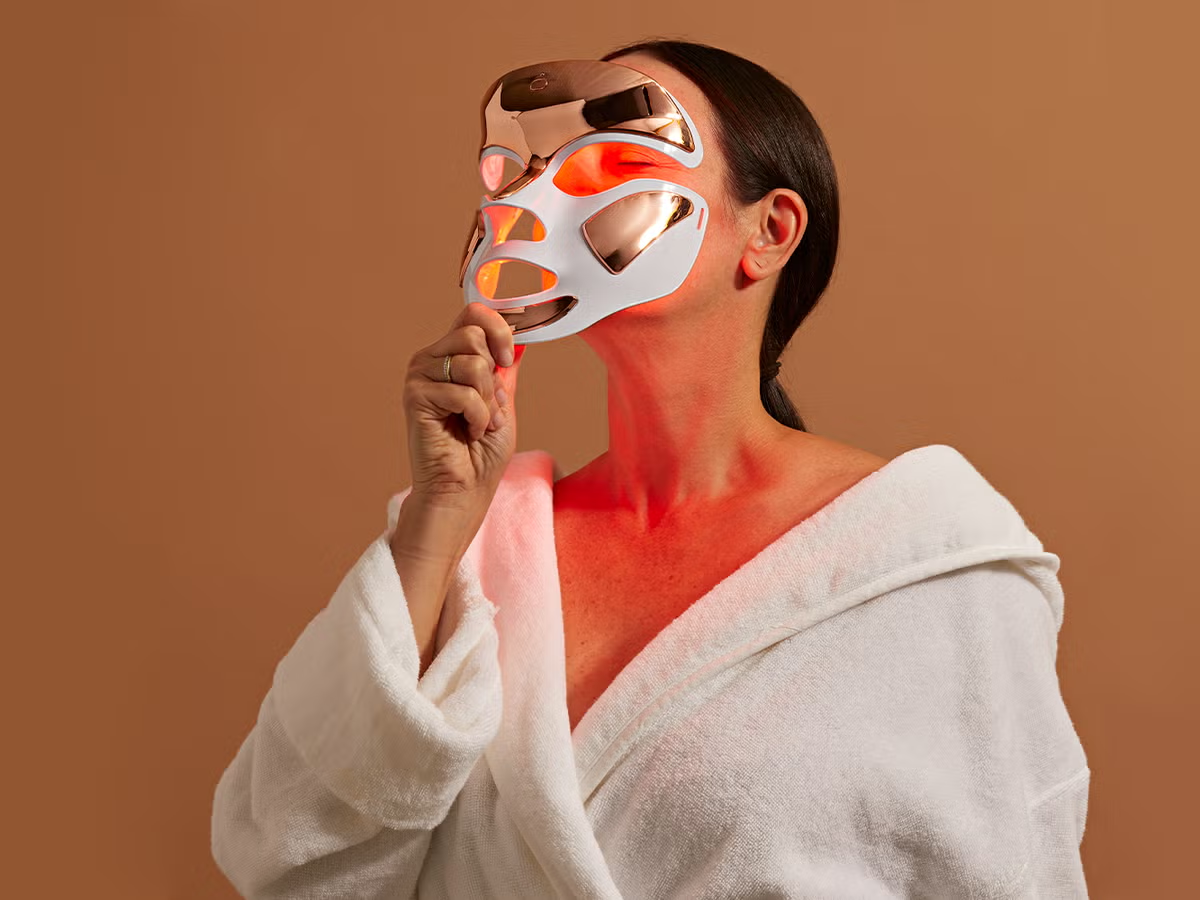
Sensitive and red skin can be frustrating to manage. It’s often prone to irritation, dryness, and inflammation, which can make using typical skincare products risky. The best face masks for sensitive and red skin are formulated to calm irritation, reduce redness, and restore hydration without triggering further sensitivity.
This guide highlights the top ingredients, types of masks, and tips to help sensitive skin feel soothed, comfortable, and radiant.
Why Sensitive and Red Skin Needs Special Care
Sensitive skin can react to environmental factors, harsh ingredients, or even stress. Common triggers include:
- Harsh cleansers or exfoliants
- Fragrance or alcohol in skincare
- Temperature extremes
- Allergens and pollutants
Redness often indicates inflammation or irritation, and using the wrong products can worsen the condition. That’s why masks designed specifically for sensitive skin focus on calming, hydrating, and barrier-strengthening ingredients.
Key Ingredients to Look For
1. Aloe Vera
- Soothes inflammation and irritation
- Provides gentle hydration
- Promotes healing of the skin barrier
2. Chamomile
- Calms redness and irritation
- Antioxidant-rich for protection against environmental stress
3. Oat Extracts
- Softens and moisturizes sensitive skin
- Reduces inflammation and itching
4. Hyaluronic Acid
- Deeply hydrates skin without irritation
- Plumps skin and improves barrier function
5. Calendula
- Anti-inflammatory and gentle healing properties
- Reduces redness and promotes skin comfort
6. Green Tea Extract
- Rich in antioxidants to soothe irritated skin
- Protects against free radical damage
Types of Face Masks for Sensitive and Red Skin
1. Sheet Masks
- Pre-soaked in soothing serums
- Lightweight and easy to use
- Ideal for hydration and calming irritated skin
2. Gel Masks
- Cooling effect helps reduce redness
- Lightweight, non-greasy formulas
- Can be used daily or multiple times per week
3. Cream Masks
- Rich, emollient texture for dry, sensitive skin
- Helps restore skin barrier and prevent flaking
4. Overnight Masks
- Continuous hydration while you sleep
- Gentle formulations minimize irritation risk
Benefits of Using Face Masks for Sensitive and Red Skin
- Reduces Redness: Soothing ingredients calm inflammation
- Hydration Boost: Restores moisture lost due to sensitivity
- Strengthens Skin Barrier: Helps protect against irritants
- Nourishes Skin: Vitamins and antioxidants support overall skin health
- Relaxation: A gentle mask routine can reduce stress, which may also reduce flare-ups
Interestingly, just as knowing How to Achieve Soft and Shiny Hair Naturally involves gentle, consistent care for hair, sensitive skin benefits from a calm, careful, and nourishing approach with masks and routines designed for its unique needs.
Best Face Masks Comparison Table
| Mask Type | Key Ingredient | Best For | Frequency |
|---|---|---|---|
| Sheet Mask | Aloe Vera & Chamomile | Daily hydration & calming | 2–3 times/week |
| Gel Mask | Green Tea & Oat Extract | Redness & irritation | 1–2 times/week |
| Cream Mask | Calendula & Hyaluronic Acid | Dry, sensitive skin | 1–2 times/week |
| Overnight Mask | Aloe & Vitamin E | Barrier repair & hydration | 2–3 times/week |
Tips for Using Masks on Sensitive Skin
- Patch Test First: Apply a small amount to the inner wrist or behind the ear
- Use Gentle Application: Avoid rubbing or pulling skin
- Follow Instructions: Do not leave masks on longer than recommended
- Layer with Soothing Products: Use gentle serums and moisturizers afterward
- Avoid Harsh Ingredients: Skip masks with alcohol, fragrance, or strong acids
FAQs: Face Masks for Sensitive and Red Skin
Q: Can I use masks daily on sensitive skin?
A: Lightweight sheet or gel masks are usually safe for daily or frequent use. Cream masks may be best 1–2 times per week.
Q: How soon will I see results?
A: Immediate hydration and calming effects are often noticeable after the first use, but consistent use improves long-term redness and barrier health.
Q: Can sensitive skin use masks with acids like AHA or BHA?
A: Only in very mild formulations and occasionally. Always patch test first and follow up with calming moisturizers.
Q: Are natural masks safer for sensitive skin?
A: Not always. Even natural ingredients can trigger reactions. Patch testing is essential.
Q: Can masks replace daily moisturizers?
A: No. Masks supplement hydration and barrier repair but should be followed by a gentle moisturizer.
Final Thoughts
Choosing the best face masks for sensitive and red skin is about gentleness, hydration, and calming effects. With ingredients like aloe, chamomile, oat, and hyaluronic acid, these masks help soothe irritation, restore moisture, and strengthen the skin barrier.
By integrating these masks into a consistent, gentle routine—similar to the care and patience involved in learning How to Achieve Soft and Shiny Hair Naturally—you can maintain healthy, calm, and radiant skin while minimizing discomfort and redness.