

Starting a makeup routine can feel overwhelming, especially with the wide range of products available in the market. However, beginners don’t need a large collection to achieve a fresh and polished look. With just a few essential products and the right techniques, you can create a natural, everyday makeup look that enhances your features without complexity.
This guide focuses on simple, practical, and beginner-friendly makeup tips using minimal products, making it perfect for those who want to keep things easy, affordable, and effective.
Why Minimal Makeup Is Ideal for Beginners
Minimal makeup helps you focus on technique rather than product overload. It allows you to understand your skin, learn blending skills, and build confidence without feeling overwhelmed.
Using fewer products also reduces the chances of mistakes, saves money, and creates a more natural appearance. It’s the perfect starting point before experimenting with more advanced looks.
Essential Makeup Products for Beginners
Before diving into techniques, it’s important to know which products you actually need. A beginner-friendly makeup kit can include:
- Lightweight foundation or BB cream
- Concealer
- Compact powder
- Blush
- Mascara
- Lip balm or lipstick
These basic items are enough to create a complete everyday look without unnecessary complexity.
Best Makeup Tips for Beginners
1. Start With Clean and Moisturized Skin
Good makeup always begins with good skincare. Clean your face and apply a lightweight moisturizer to create a smooth base. This helps makeup blend better and last longer.
A proper skincare routine, like the concept behind “Step-by-Step Korean Skincare Routine for Beginners“, emphasizes hydration and skin preparation, which is essential before applying any makeup.
2. Use Lightweight Base Products
Instead of heavy foundation, opt for a BB cream or a light foundation. These products even out your skin tone without looking cakey.
Apply a small amount and blend it evenly using your fingers, a sponge, or a brush. Always start with less product and build coverage gradually.
3. Apply Concealer Only Where Needed
You don’t need to cover your entire face with concealer. Use it only on areas that need extra coverage, such as:
- Under the eyes
- Blemishes
- Dark spots
Blend gently to avoid harsh lines and keep the look natural.
4. Set Your Makeup Lightly
A compact powder helps control shine and keeps your makeup in place. Apply it lightly, focusing on areas that tend to get oily, such as the T-zone (forehead, nose, and chin).
Avoid over-powdering, as it can make your skin look dry and unnatural.
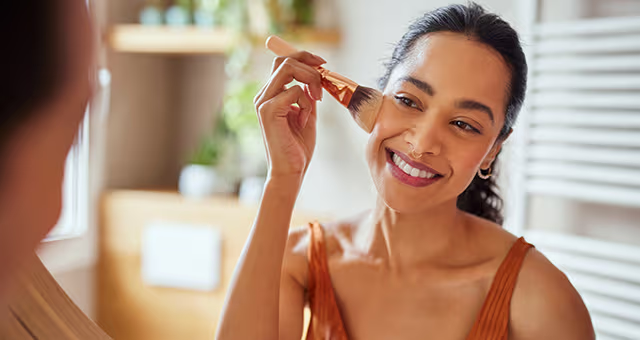
5. Add a Natural Flush With Blush
Blush instantly brings life to your face. Choose a soft, natural shade like peach or pink and apply it lightly to the apples of your cheeks.
Blend well to avoid harsh edges and maintain a subtle look.
6. Keep Eye Makeup Simple
For beginners, simple eye makeup works best. Skip complicated eyeshadow looks and focus on:
- Applying mascara to define lashes
- Grooming eyebrows with a brush
Mascara alone can make your eyes look more open and awake.
7. Choose Easy Lip Products
Lip balm, tinted lip balm, or a neutral lipstick is perfect for beginners. These are easy to apply and don’t require precise technique.
Choose shades that complement your natural lip color for a soft, everyday look.
8. Blend Everything Well
Blending is one of the most important skills in makeup. Whether it’s foundation, blush, or concealer, always blend thoroughly to avoid visible lines.
A well-blended face looks smooth, natural, and professional.
Minimal Makeup Routine Table
| Step | Product | Purpose | Tip |
|---|---|---|---|
| 1 | Moisturizer | Hydrates skin | Apply before makeup |
| 2 | BB Cream/Foundation | Evens skin tone | Use small amount |
| 3 | Concealer | Covers imperfections | Apply only where needed |
| 4 | Powder | Controls shine | Focus on oily areas |
| 5 | Blush | Adds color | Blend lightly |
| 6 | Mascara | Defines eyes | One or two coats |
| 7 | Lip Balm/Lipstick | Enhances lips | Choose natural shades |
Common Beginner Mistakes to Avoid
Many beginners make simple mistakes that affect their overall look. Avoid these common issues:
- Using too much product
- Not blending properly
- Choosing the wrong shade of foundation
- Skipping skincare before makeup
- Trying complicated techniques too early
Keeping your routine simple helps you avoid these mistakes and build confidence gradually.
Tips to Improve Your Makeup Skills
Practice is key when learning makeup. Start with a basic routine and slowly experiment with new techniques as you become more comfortable.
Watch tutorials, observe your face shape, and understand what works best for your skin type. Over time, you’ll develop your own style and preferences.
FAQs
1. How many makeup products do beginners really need?
Beginners only need about 5 to 7 basic products to create a complete look.
2. Can I do makeup without foundation?
Yes, you can use BB cream or just concealer for a lighter, more natural look.
3. What is the easiest makeup product to start with?
Lip balm, mascara, and blush are the easiest products for beginners.
4. How do I choose the right foundation shade?
Test the shade on your jawline and choose one that matches your natural skin tone.
5. How long does beginner makeup take?
A simple routine can take 5 to 10 minutes once you get comfortable.