

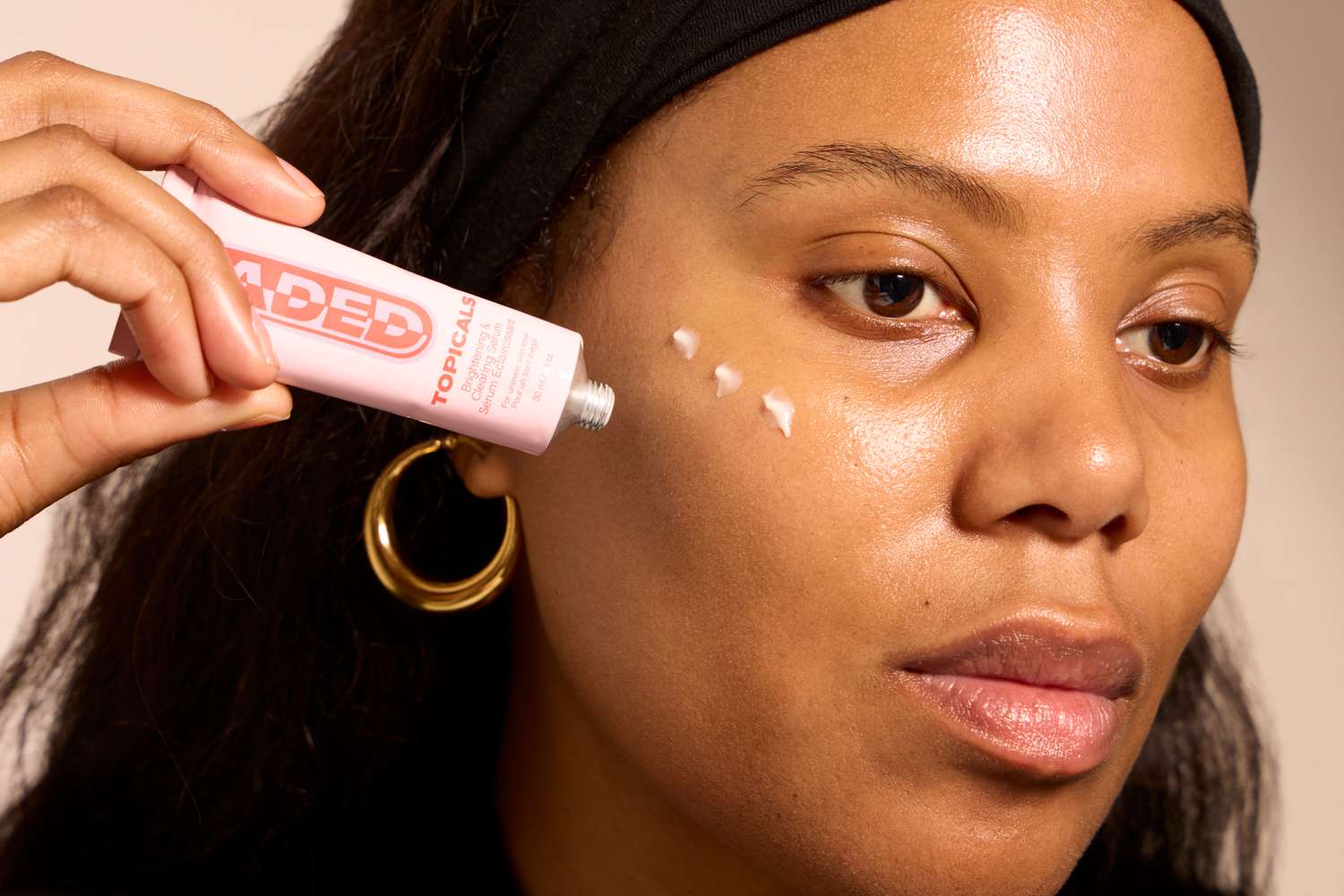
Hyperpigmentation and dark spots are common skin concerns that can affect anyone, regardless of skin type. Whether caused by sun exposure, acne scars, hormonal changes, or aging, these uneven patches can make the skin appear dull and uneven. Fortunately, the right serums can significantly reduce discoloration and restore a brighter, more even complexion.
In this guide, we’ll explore the best serums for hyperpigmentation and dark spots removal, how they work, and how to use them effectively for visible results.
What Causes Hyperpigmentation?
Hyperpigmentation occurs when excess melanin is produced in certain areas of the skin. Common causes include:
- Sun exposure (UV damage)
- Acne scars (post-inflammatory hyperpigmentation)
- Hormonal changes (melasma)
- Aging and environmental stressors
Understanding the cause helps in choosing the right serum and treatment approach.
Key Ingredients to Look for in Serums
Not all serums are created equal. The effectiveness depends largely on the active ingredients.
1. Vitamin C
- Brightens skin tone
- Reduces dark spots
- Protects against environmental damage
Vitamin C is a powerful antioxidant that helps fade pigmentation while boosting collagen.
2. Niacinamide
- Reduces discoloration
- Controls oil production
- Improves skin texture
This gentle ingredient is suitable for most skin types, including sensitive skin.
3. Alpha Arbutin
- Targets dark spots directly
- Inhibits melanin production
It’s highly effective for stubborn pigmentation without causing irritation.
4. Retinol
- Speeds up cell turnover
- Fades acne scars and sunspots
Use it at night and always pair with sunscreen during the day.
5. Kojic Acid
- Lightens visible sun damage
- Helps with uneven skin tone
Often used in combination with other brightening ingredients.
6. Hyaluronic Acid
- Hydrates the skin
- Enhances absorption of active ingredients
While not directly targeting pigmentation, it improves overall skin health.
Best Types of Serums for Dark Spots Removal
1. Vitamin C-Based Serums
Ideal for:
- Sun damage
- Uneven skin tone
They brighten the complexion and provide antioxidant protection.
2. Niacinamide Serums
Best for:
- Oily and acne-prone skin
- Redness and post-acne marks
They are gentle and can be used daily.
3. Retinol Serums
Suitable for:
- Aging skin
- Deep pigmentation
They promote skin renewal but require gradual introduction.
4. Combination Serums
These contain multiple active ingredients like Vitamin C, niacinamide, and alpha arbutin for enhanced results.
How to Use Serums Effectively
To get the best results from your serum:
- Cleanse your face thoroughly
- Apply toner (optional)
- Use a few drops of serum
- Gently pat into the skin
- Follow with moisturizer
- Apply sunscreen in the morning
Consistency is key. Results usually appear after 4–8 weeks of regular use.
Skincare Routine for Hyperpigmentation
| Step | Product Type | Purpose |
|---|---|---|
| Cleanser | Gentle Face Wash | Removes dirt and oil |
| Toner | Hydrating Toner | Prepares skin |
| Serum | Brightening Serum | Targets dark spots |
| Moisturizer | Lightweight Cream | Locks in hydration |
| Sunscreen | SPF 30+ or higher | Prevents further pigmentation |
Tips for Faster Results
- Always wear sunscreen daily
- Avoid picking at acne
- Exfoliate 1–2 times per week
- Stay consistent with your routine
- Avoid mixing too many active ingredients at once
Common Mistakes to Avoid
- Skipping sunscreen
- Using too much product
- Expecting overnight results
- Mixing incompatible ingredients
- Not patch-testing new products
Avoiding these mistakes will help you achieve better and safer results.
Bonus Insight
A well-rounded beauty routine doesn’t stop at skincare. Pairing clear skin with the right makeup techniques can enhance your overall look. For example, learning Long Lasting Makeup Tips for Oily Skin in Humid Weather can help maintain a flawless appearance while your skincare works to improve your skin over time.
FAQs
1. Which serum is best for dark spots?
Serums containing Vitamin C, niacinamide, or alpha arbutin are among the most effective for reducing dark spots.
2. How long does it take to see results?
Most serums take 4–8 weeks to show visible improvement, depending on the severity of pigmentation.
3. Can I use multiple serums together?
Yes, but be cautious. Avoid mixing strong actives like retinol and Vitamin C unless advised by a professional.
4. Is sunscreen necessary when using serums?
Yes, sunscreen is essential. Without it, dark spots can worsen despite using serums.
5. Are serums safe for all skin types?
Most serums are safe, but always check ingredients and do a patch test, especially if you have sensitive skin.
Conclusion
Choosing the best serums for hyperpigmentation and dark spots removal depends on your skin type and the underlying cause of discoloration. Focus on proven ingredients like Vitamin C, niacinamide, and retinol, and follow a consistent skincare routine. With patience and proper care, you can achieve a brighter, clearer, and more even complexion over time.