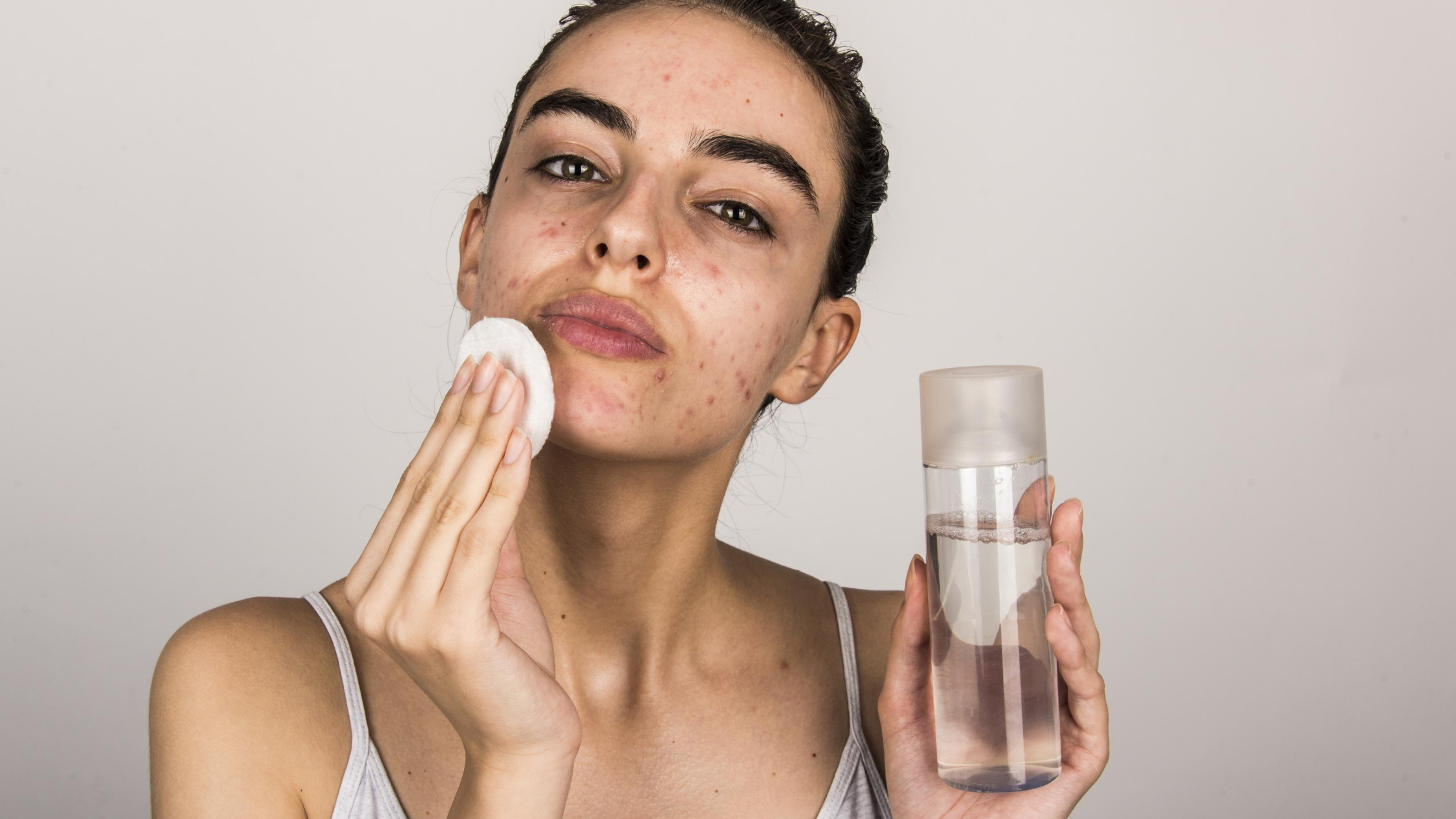


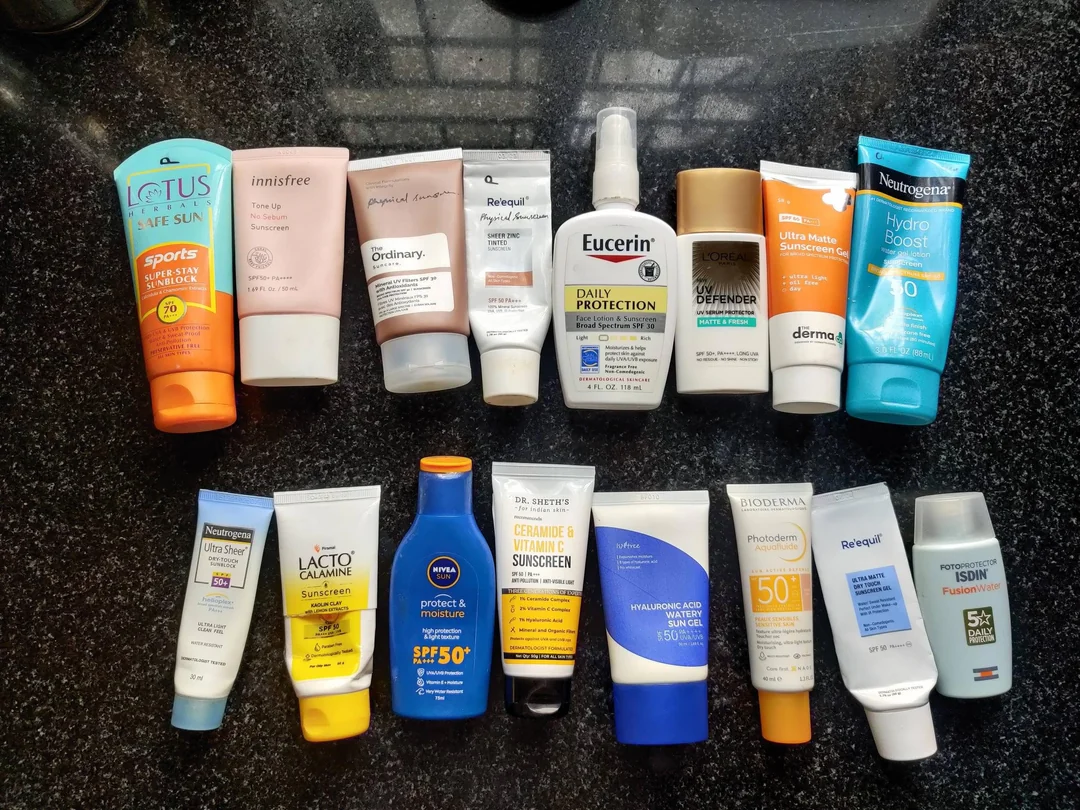
Finding the best sunscreen for oily and acne-prone skin can feel overwhelming. Thick, greasy formulas often clog pores, trigger breakouts, or leave a shiny finish that makes oily skin look even oilier. Yet sunscreen is one of the most essential steps in any skincare routine. Without it, UV exposure can worsen inflammation, hyperpigmentation, and premature aging. The good news is that modern formulations are designed specifically to be lightweight, oil-free, and non-comedogenic.
This guide will help you understand what to look for in a sunscreen when you have oily or acne-prone skin and recommend the best formulas that fit different needs and budgets. Whether you prefer mineral sunscreen, chemical sunscreen, or a hybrid option, you will find clear guidance here.
Interestingly, many people exploring sun care are also looking for hair care solutions, such as How to Prevent Split Ends With Natural Oils, but for the skin, oil-control and non-comedogenic sun protection remain the priority.
Why Sunscreen Matters for Oily and Acne-Prone Skin
Some believe that sunscreen causes more breakouts, but the problem is usually the wrong type of formulation. Proper sunscreen does the opposite of harm: it protects the skin from UV rays that increase inflammation, dark spots, and post-acne marks. Acne-prone skin is often more sensitive to environmental stressors, making sun protection even more critical.
If you notice your skin breaking out after using sunscreen, it’s likely due to ingredients like heavy oils, artificial fragrance, or comedogenic components such as isopropyl myristate. Choosing products labeled non-comedogenic, oil-free, and matte finish can help prevent this issue.
Key Ingredients to Look For
Selecting the right sunscreen requires checking the ingredient list for components that help manage oil and reduce breakouts.
1. Zinc Oxide and Titanium Dioxide
Mineral filters are great for sensitive and acne-prone skin. They sit on top of the skin rather than absorbing into it and offer reliable broad-spectrum protection.
2. Niacinamide
A favorite for acne-prone skin, niacinamide helps control sebum, minimize enlarged pores, and calm inflammation.
3. Silica or Micro-Powders
These help absorb excess oil throughout the day, giving a smooth matte finish.
4. Chemical Filters like Tinosorb S or Uvinul A Plus
Modern chemical filters are lightweight and suitable for oily skin. They blend well without leaving a white cast.
5. Oil-Free Hydrators
Glycerin and hyaluronic acid offer hydration without clogging pores, maintaining skin balance.
Ingredients to Avoid
Not all sunscreens work well on acne-prone skin. If you struggle with breakouts, skip:
- Heavy oils (mineral oil, coconut oil, lanolin)
- Artificial fragrances
- Alcohol-heavy formulas that may irritate the skin
- Comedogenic thick moisturizers within the sunscreen formulation
Best Sunscreen Options for Oily and Acne-Prone Skin
Below are top categories of sunscreens suited for oily and acne-prone skin. These categories help you choose based on your preferences and what works best for your routine.
1. Gel-Based Sunscreens
Gel textures are cooling, ultra-light, and fast-absorbing. They work well under makeup and leave zero residue. These are ideal for people living in humid climates or those who deal with midday shine.
2. Water-Light Chemical Sunscreens
These feel like water and disappear instantly on the skin. Many Korean and Japanese sunscreens fall into this category and are loved for their comfortable wear.
3. Matte Mineral Sunscreens
These are excellent if you prefer physical filters. Modern mineral sunscreens are much lighter than older versions, offering a natural matte finish without the traditional chalky feel.
4. Hybrid Sunscreens
Hybrid sunscreens combine both mineral and chemical filters, giving you balanced protection and lighter textures.
Comparison Table: Sunscreen Types for Oily and Acne-Prone Skin
| Type of Sunscreen | Best For | Texture | Pros | Cons |
|---|---|---|---|---|
| Gel-Based Sunscreen | Very oily skin, humid weather | Lightweight gel | Non-greasy, fast-absorbing | May require reapplication more often |
| Water-Light Chemical Sunscreen | Oily and combination skin | Watery fluid | Invisible finish, ideal under makeup | Some may irritate sensitive skin |
| Matte Mineral Sunscreen | Acne-prone and sensitive skin | Soft matte cream | Non-comedogenic, calming | May leave slight white cast on deeper tones |
| Hybrid Sunscreen | All skin types | Lightweight lotion | Balanced protection, comfortable wear | Availability varies by region |
How to Apply Sunscreen for Oily and Acne-Prone Skin
Application technique matters as much as choosing the right formula. Follow these steps for the best results:
Step 1: Cleanse
Use a gentle foaming cleanser to remove excess oil without stripping your skin.
Step 2: Apply a Lightweight Moisturizer
Even oily skin needs hydration. Choose an oil-free, gel-based moisturizer to prep your skin.
Step 3: Apply Sunscreen Generously
Apply at least two fingers’ length of sunscreen to your face and neck. Make sure to spread it evenly.
Step 4: Let It Set
Allow sunscreen to absorb for at least two minutes before applying makeup.
Step 5: Reapply
Reapply every two to three hours, especially if you’re outdoors, sweating, or wearing minimal makeup.
Additional Tips to Reduce Shine and Breakouts
- Use blotting papers instead of powder for quick touch-ups.
- Choose non-comedogenic makeup products.
- Look for sunscreens with anti-inflammatory ingredients like green tea extract.
- Avoid harsh acne treatments during the day, as they can make skin more sun-sensitive.
Frequently Asked Questions (FAQs)
Is mineral or chemical sunscreen better for acne-prone skin?
Both can work well. Mineral sunscreens are gentler and less likely to cause irritation, while chemical sunscreens offer lighter textures. The right choice depends on your sensitivity and texture preference.
Will sunscreen make my acne worse?
Not if you choose a formula labeled non-comedogenic, oil-free, and fragrance-free. These are designed to avoid clogging pores and triggering breakouts.
What SPF level should I use for oily skin?
SPF 30 or higher is recommended. The SPF number does not determine greasiness; the formulation does. Prioritize matte or gel-based formulas.
How often should I reapply sunscreen if I have oily skin?
Every two to three hours is ideal. Using a powder sunscreen for touch-ups can help manage shine while keeping your protection intact.
Can I skip moisturizer if my sunscreen feels hydrating?
If your sunscreen is hydrating enough, you can skip moisturizer. However, many people with oily skin find that a lightweight gel moisturizer helps reduce sebum throughout the day.
Final Thoughts
Choosing the best sunscreen for oily and acne-prone skin is all about understanding your ingredients, texture preferences, and daily habits. With the right formula, sunscreen becomes a seamless part of your routine that protects your skin without adding shine or causing breakouts. Prioritize lightweight, mattifying, and non-comedogenic options to keep your skin healthy, clear, and well protected year-round.