

Finding the right sunscreen for oily and acne‑prone skin can be a challenge. Many sunscreens are too heavy, greasy, or pore‑clogging, which can lead to breakouts and excess shine. However, the right formula protects your skin from harmful UV rays while keeping oil production under control and preventing acne flare‑ups.
In this guide, you’ll learn what to look for in a sunscreen for oily and acne‑prone skin, top recommendations, and tips for daily sun protection without breaking you out.
Why Sunscreen Is Essential for Oily Skin
Sunscreen protects your skin from UV damage, premature aging, pigmentation, and inflammation. Oily and acne‑prone skin is especially sensitive to post‑inflammatory hyperpigmentation and acne scarring, making sun protection even more important.
Benefits of Using a Suitable Sunscreen:
- Prevents sunburn and UV damage
- Reduces risk of acne scars and dark spots
- Helps control excess oil and shine
- Improves overall skin health
What to Look for in Sunscreen for Oily and Acne‑Prone Skin
| Feature | Why It Matters |
|---|---|
| Oil‑Free / Non‑Comedogenic | Won’t clog pores or cause breakouts |
| Broad‑Spectrum SPF 30+ | Protects against UVA and UVB rays |
| Matte or Gel Formula | Reduces shine and feels lightweight |
| Water‑Resistant | Stays on during sweat or humidity |
| Fragrance‑Free | Less irritating for sensitive skin |
| Contains Skin‑Friendly Ingredients | Niacinamide, zinc oxide, hyaluronic acid |
Key Ingredients That Help
- Zinc Oxide: Gentle mineral protection with anti‑inflammatory properties
- Niacinamide: Balances oil and soothes redness
- Hyaluronic Acid: Lightweight hydration without greasiness
- Salicylic Acid (in some formulas): Helps keep pores clear
- Titanium Dioxide: Effective mineral UV protection
Best Sunscreens for Oily and Acne‑Prone Skin
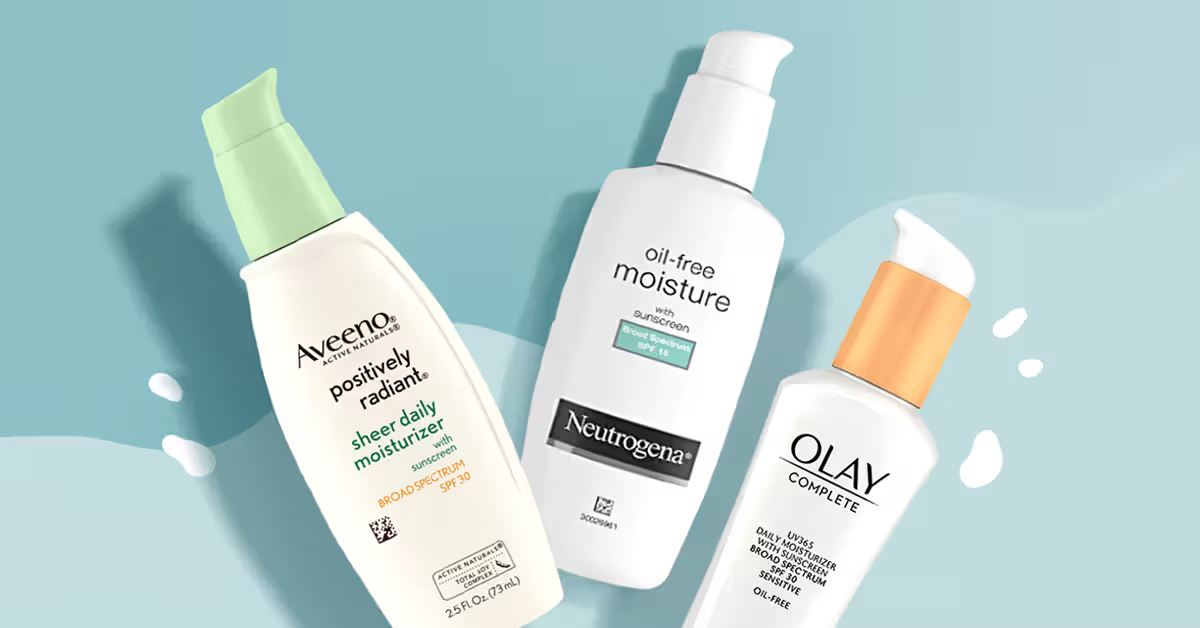
Below are some of the best sunscreen types that work well for oily and acne‑prone skin. Many come in gel, fluid, or mineral forms that feel light and non‑greasy.
| Sunscreen Type | Best For | Texture |
|---|---|---|
| Matte Gel Sunscreen | Controls oil and provides a matte finish | Lightweight, non‑greasy |
| Mineral Sunscreen | Sensitive and acne‑prone skin | Gentle, broad‑spectrum |
| Tinted Sunscreen | UV protection + color correction | Helps reduce shine, hides imperfections |
| Oil‑Free Fluid Sunscreen | Everyday wear under makeup | Smooth, non‑comedogenic |
| Invisible Zinc or Mineral Gel | Long‑lasting protection | Clear, light texture |
Tips for Choosing Between Chemical vs. Mineral Sunscreen
- Mineral sunscreens (Zinc Oxide, Titanium Dioxide):
Great for sensitive or breakout‑prone skin. Sit on the skin’s surface and reflect UV rays. Less likely to irritate. - Chemical sunscreens (Avobenzone, Octinoxate, etc.):
Absorb UV rays and convert them to heat. Light, invisible formulas are good for everyday use but choose oil‑free versions.
How to Apply Sunscreen Properly
- Apply 15–30 minutes before sun exposure
- Use enough product — about a nickel‑sized amount for your face
- Reapply every 2–3 hours, especially if sweating or outdoors
- Layer under makeup — gel and fluid formulas work well under foundation
- Don’t forget neck, ears, and hands
Daily Skincare Routine for Oily and Acne‑Prone Skin
- Cleanser: Gentle, salicylic acid cleanser
- Toner: Oil‑balancing, alcohol‑free toner
- Serum: Niacinamide or lightweight hydrating serum
- Moisturizer: Oil‑free, gel‑based hydrator
- Sunscreen: Broad‑spectrum SPF 30–50 (apply as last step in daytime routine)
Common Mistakes to Avoid
- Using thick, rich sunscreens that clog pores
- Skipping sunscreen on cloudy days
- Not reapplying after sweating or water exposure
- Combining too many active ingredients with sunscreen at once
- Ignoring signs of irritation or breakouts
FAQs
Q1: Can sunscreen cause acne breakouts?
If the formula is heavy or comedogenic, yes. Choose oil‑free, non‑comedogenic sunscreens to prevent breakouts.
Q2: What SPF should I use for oily skin?
Broad‑spectrum SPF 30 or higher is recommended for daily use.
Q3: Is mineral sunscreen better for acne‑prone skin?
Many people with acne‑prone skin prefer mineral sunscreens because they are less irritating and non‑comedogenic.
Q4: Can I wear sunscreen under makeup?
Yes. Lightweight gels and fluids work well under foundation and help control shine.
Q5: How often should I reapply sunscreen?
Reapply every 2–3 hours when outdoors, and immediately after swimming or excessive sweating.
Conclusion
Choosing the best sunscreen for oily and acne‑prone skin doesn’t mean sacrificing protection or comfort. Look for oil‑free, non‑comedogenic formulas with broad‑spectrum SPF 30 or higher and lightweight textures that control shine. Whether you prefer mineral protection, tinted coverage, or gel‑based formulas, there are excellent options designed to protect and soothe even the most sensitive skin.
With consistent application and the right skincare routine, you can protect your skin from sun damage while managing oil and acne — keeping your complexion healthy, matte, and clear all day.