

Choosing makeup for sensitive skin can be challenging, especially when you also want products that are ethical and cruelty-free. Sensitive skin is prone to redness, irritation, breakouts, and allergic reactions, making ingredient quality and formulation extremely important. Cruelty-free makeup brands offer products that are not tested on animals while often focusing on cleaner, skin-friendly formulas.
This article explores why cruelty-free makeup is a good choice for sensitive skin, what ingredients to look for and avoid, and how to build a gentle, ethical makeup routine.
What Does Cruelty-Free Mean?
Cruelty-free makeup refers to products that are not tested on animals at any stage of development. These brands commit to ethical testing methods and often emphasize transparency and safer formulations.
Cruelty-free does not automatically mean organic or natural, but many cruelty-free brands prioritize gentle ingredients that are suitable for sensitive skin.
Why Sensitive Skin Benefits From Cruelty-Free Makeup
Sensitive skin reacts easily to harsh chemicals, artificial fragrances, and low-quality fillers. Cruelty-free brands often avoid these irritants to appeal to conscious consumers.
Benefits include:
- Fewer harsh chemicals
- Reduced risk of allergic reactions
- Skin-focused formulations
- Ethical and environmentally responsible practices
These qualities make cruelty-free makeup a safer and more thoughtful choice for people with reactive skin.
Common Skin Concerns for Sensitive Skin Types
People with sensitive skin often experience:
- Redness and inflammation
- Burning or stinging sensations
- Dry patches
- Acne flare-ups
- Allergic reactions
Makeup products designed for sensitive skin aim to soothe, protect, and enhance without triggering these issues.
Ingredients to Look For in Sensitive-Skin Makeup
When choosing makeup, always check the ingredient list.
Skin-friendly ingredients include:
- Aloe vera
- Chamomile
- Hyaluronic acid
- Glycerin
- Vitamin E
These ingredients help hydrate, calm, and strengthen the skin barrier.
Ingredients to Avoid
Certain ingredients are more likely to irritate sensitive skin.
Avoid products containing:
- Synthetic fragrance
- Alcohol (denatured)
- Parabens
- Sulfates
- Artificial dyes
Avoiding these irritants can significantly reduce skin reactions and discomfort.
Popular Cruelty-Free Makeup Brands for Sensitive Skin
| Brand Type | Key Features | Best For |
|---|---|---|
| Mineral-Based Brands | Lightweight, breathable formulas | Redness-prone skin |
| Hypoallergenic Brands | Minimal ingredients | Highly sensitive skin |
| Vegan Makeup Brands | No animal-derived ingredients | Ethical consumers |
| Dermatologist-Tested Brands | Clinically evaluated formulas | Reactive skin |
| Clean Beauty Brands | Transparent ingredient lists | Long-term skin health |
Face Makeup for Sensitive Skin
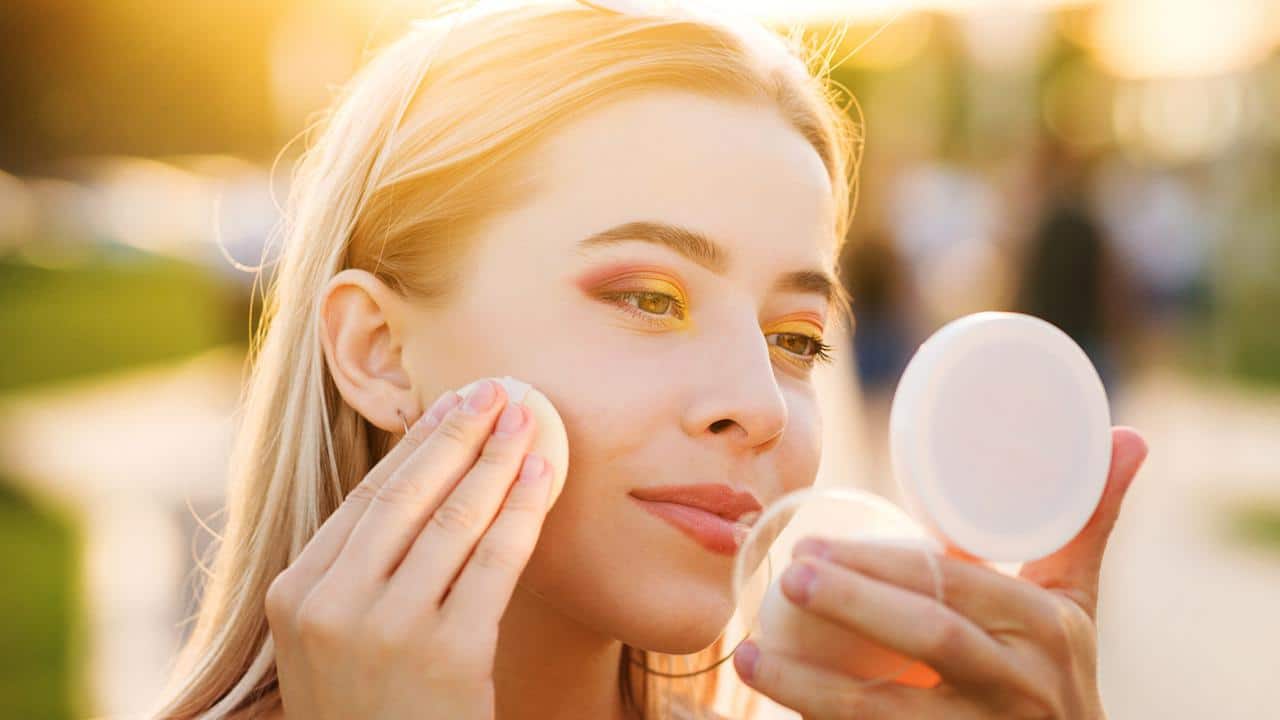
Foundations and concealers are the most important products to get right for sensitive skin.
Tips for face makeup:
- Choose fragrance-free formulas
- Opt for lightweight or mineral foundations
- Avoid heavy, pore-clogging textures
- Patch test before full application
A breathable base reduces the risk of irritation and breakouts.
Eye and Lip Makeup Considerations
The eye and lip areas are particularly delicate and prone to sensitivity.
For eyes:
- Use ophthalmologist-tested products
- Avoid glitter-heavy formulas
- Choose creamy, blendable textures
For lips:
- Look for hydrating lipsticks
- Avoid menthol or plumping agents
- Choose nourishing oils and butters
Gentle eye makeup supports overall skin goals, especially when focusing on concerns similar to How to Reduce Fine Lines Around Eyes Naturally.
How to Build a Cruelty-Free Makeup Routine
A simple routine works best for sensitive skin.
Basic routine:
- Gentle, skin-friendly primer
- Lightweight foundation or BB cream
- Soft blush and minimal contour
- Mild eye makeup
- Hydrating lip product
Using fewer products reduces the chance of irritation and allows skin to breathe.
Importance of Patch Testing
Even cruelty-free and sensitive-skin-labeled products can cause reactions in some individuals.
Patch testing tips:
- Test behind the ear or jawline
- Wait 24 hours
- Check for redness or itching
Patch testing prevents unexpected reactions and protects skin health.
Removing Makeup Safely
Proper makeup removal is just as important as application.
Best practices:
- Use gentle micellar water or cleansing balm
- Avoid harsh scrubbing
- Follow with a mild cleanser
- Moisturize after cleansing
Removing makeup properly prevents irritation and strengthens the skin barrier.
Frequently Asked Questions (FAQs)
Is cruelty-free makeup better for sensitive skin?
Often yes, as many cruelty-free brands avoid harsh ingredients and focus on gentler formulations.
Does cruelty-free mean fragrance-free?
Not always. Always check labels, as some cruelty-free products may still contain fragrance.
Can sensitive skin use mineral makeup?
Yes, mineral makeup is often well-suited for sensitive skin due to its lightweight and non-irritating properties.
Are cruelty-free products safe for acne-prone sensitive skin?
Many are, but it’s important to choose non-comedogenic formulas and patch test first.
Is vegan makeup the same as cruelty-free?
No. Vegan makeup contains no animal-derived ingredients, while cruelty-free refers to no animal testing. Some products can be both.
Final Thoughts
Cruelty-free makeup brands offer an excellent solution for people with sensitive skin who want both ethical and skin-conscious products. By choosing gentle ingredients, avoiding known irritants, and following a simple makeup routine, it’s possible to enjoy makeup without compromising skin health.
Sensitive skin requires thoughtful care, and cruelty-free makeup aligns perfectly with a mindful, long-term approach to beauty. With careful selection and proper application, you can achieve a flawless look while keeping your skin calm, healthy, and protected.