

Choosing the right sunscreen for oily skin can be a challenge. While sun protection is essential to prevent premature aging, sunburn, and skin cancer, heavy or greasy formulas can exacerbate oiliness and lead to clogged pores. Dermatologist-approved sunscreens for oily skin are formulated to protect without causing breakouts, keeping your skin matte, fresh, and healthy all day.
This guide explores the best options, what to look for in a sunscreen for oily skin, and tips to make sun protection work seamlessly with your daily skincare and makeup routine.
Why Sunscreen is Essential for Oily Skin
Even oily skin needs sun protection. Many assume oily skin is less prone to sun damage, but the reality is different:
- Prevents Premature Aging: UV rays accelerate fine lines and hyperpigmentation.
- Reduces Acne Scars Darkening: Sun exposure can worsen post-acne marks.
- Protects Against Skin Cancer: Daily UV protection is vital for long-term skin health.
- Controls Oil-Related Damage: Formulas with mattifying properties prevent shine without drying the skin.
Using a dermatologist-approved sunscreen ensures that your skin is protected without aggravating oiliness or acne.
Key Features to Look for in Sunscreens for Oily Skin
- Non-Comedogenic: Prevents clogged pores and breakouts.
- Oil-Free Formula: Reduces shine and excess sebum production.
- Matte Finish: Keeps skin looking fresh throughout the day.
- Broad-Spectrum SPF: Protects against both UVA and UVB rays.
- Lightweight Texture: Gel, fluid, or water-based formulas absorb quickly.
- Water-Resistant: Ideal for sweat-prone skin or outdoor activities.
Top Dermatologist-Approved Sunscreens for Oily Skin
| Sunscreen | SPF | Key Features | Ideal For |
|---|---|---|---|
| La Roche-Posay Anthelios Clear Skin | 60 | Oil-free, matte finish, non-comedogenic | Acne-prone, combination skin |
| Neutrogena Hydro Boost Water Gel | 50 | Gel texture, lightweight, hydrating | Normal to oily skin |
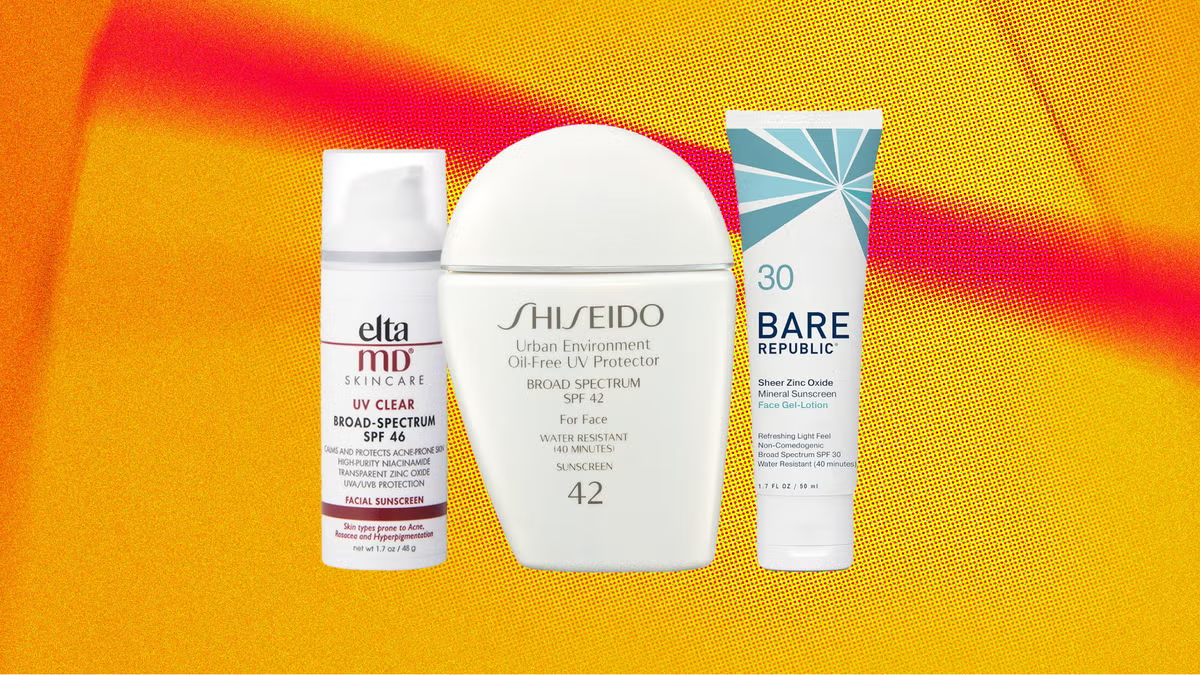
| EltaMD UV Clear Broad-Spectrum | 46 | Niacinamide, lightweight, calming for sensitive skin | Oily, acne-prone, sensitive skin |
| Bioderma Photoderm AKN Mat SPF 30 | 30 | Mattifying, reduces shine, non-comedogenic | Sebum-prone skin |
| Cetaphil PRO Oil Absorbing SPF 30 | 30 | Lightweight, oil-control formula | Oily and sensitive skin |
| Supergoop! Unseen Sunscreen | 40 | Invisible, matte, primer-friendly | Everyday makeup base, all skin types |
| Paula’s Choice Clear Ultra-Light SPF 30 | 30 | Gel-based, non-greasy, fragrance-free | Acne-prone and oily skin |
These options combine broad-spectrum protection with formulas designed to minimize shine and prevent clogged pores.
Tips for Using Sunscreen on Oily Skin
- Apply Before Makeup: Let sunscreen absorb fully before foundation or primer.
- Use a Lightweight Layer: Avoid thick layers that feel heavy or sticky.
- Choose Gel or Water-Based Formulas: These textures reduce oil buildup.
- Reapply Every 2 Hours: Especially outdoors or after sweating.
- Pair with Mattifying Products: Powder or primer can help extend a shine-free look.
Incorporating sunscreen into your routine works best when combined with Long-Lasting Makeup Tips for Oily Skin, ensuring your skin stays protected, matte, and flawless throughout the day.
Frequently Asked Questions (FAQs)
Can oily skin use sunscreen without breaking out?
Yes. Look for non-comedogenic, oil-free, and lightweight formulas designed specifically for oily or acne-prone skin.
Is higher SPF always better for oily skin?
SPF 30 or higher is recommended for broad-spectrum protection. The key is choosing an oil-free formula that doesn’t feel heavy.
Can sunscreen replace moisturizer for oily skin?
Some lightweight sunscreens provide hydration, but if your skin feels dry, a non-comedogenic moisturizer is still beneficial.
Are physical or chemical sunscreens better for oily skin?
Chemical sunscreens are usually lighter and absorb quickly, making them ideal for oily skin. Mineral (physical) sunscreens can work if formulated for a matte finish.
Can I wear sunscreen under makeup for oily skin?
Yes. Apply a thin layer, let it absorb, and then use primer and foundation. Some mattifying sunscreens double as a base for makeup.
Final Thoughts
Dermatologist-approved sunscreens for oily skin allow you to protect against UV damage without compromising comfort or beauty. Selecting a lightweight, oil-free, and non-comedogenic sunscreen ensures matte, breakout-free skin while preserving long-term health.
By pairing these sunscreens with Long-Lasting Makeup Tips for Oily Skin, you can achieve a seamless combination of sun protection, skincare, and makeup that lasts throughout the day, keeping your skin safe, fresh, and radiant.