

If you’re dealing with dark spots, melasma, or post-acne marks, sunscreen is not optional — it’s essential. Using a dermatologist recommended sunscreen for hyperpigmentation helps prevent existing discoloration from worsening while protecting your skin from further UV damage.
Hyperpigmentation is triggered and intensified by sun exposure, even on cloudy days. Without proper protection, treatments like serums, peels, and laser procedures become less effective. This guide explains what to look for and highlights top sunscreen options dermatologists frequently recommend.
Why Sunscreen Is Critical for Hyperpigmentation
Hyperpigmentation occurs when excess melanin forms in certain areas of the skin. Sun exposure stimulates melanin production, which can:
- Darken existing spots
- Trigger melasma flare-ups
- Slow fading of acne scars
- Reverse results from brightening treatments
Daily sunscreen use prevents UV rays from deepening discoloration and helps maintain even skin tone.
What to Look for in Sunscreen for Hyperpigmentation
1. Broad-Spectrum Protection
Choose sunscreen labeled broad-spectrum, meaning it protects against both UVA and UVB rays. UVA rays are especially responsible for pigmentation worsening.
2. SPF 30 or Higher
Dermatologists typically recommend SPF 30 at minimum, but SPF 50 provides stronger protection for those prone to dark spots.
3. Tinted (Iron Oxides)
Tinted mineral sunscreens contain iron oxides, which protect against visible light — a major trigger for melasma and stubborn hyperpigmentation.
4. Mineral or Hybrid Formulas
Zinc oxide and titanium dioxide are gentle and effective, especially for sensitive skin.
5. Lightweight, Non-Comedogenic Formula
For daily wear, especially under makeup, choose formulas that won’t clog pores or feel heavy.
Top Dermatologist Recommended Sunscreens for Hyperpigmentation
1. EltaMD UV Clear SPF 46
Best for Acne-Prone and Sensitive Skin
- SPF 46 broad-spectrum protection
- Contains niacinamide (helps brighten and calm skin)
- Lightweight, oil-free formula
- Available in tinted and untinted versions
Why dermatologists recommend it:
It protects without clogging pores and supports skin barrier health.
2. La Roche-Posay Anthelios Melt-in Milk SPF 60
Best High SPF Option
- SPF 60 broad-spectrum
- Lightweight and non-greasy
- Suitable for face and body
Why it’s effective:
High SPF provides strong protection against UV-induced pigmentation.
3. ISDIN Eryfotona Actinica SPF 50+
Best for Sun Damage Repair Support
- 100% mineral formula
- DNA repair enzymes
- Lightweight texture
Why dermatologists like it:
Combines UV protection with repair-focused technology.
4. Supergoop! Unseen Sunscreen SPF 40
Best Under Makeup
- Invisible, primer-like finish
- SPF 40 broad-spectrum
- Works well under foundation
Why it’s popular:
Blends seamlessly without white cast and doubles as a makeup primer.
5. Colorescience Sunforgettable Total Protection Face Shield SPF 50
Best Tinted Mineral Option
- SPF 50
- Iron oxides for visible light protection
- Available in multiple shades
Why it stands out:
Excellent for melasma-prone skin due to visible light defense.
Comparison Table
| Product | SPF | Type | Tinted Option | Best For |
|---|---|---|---|---|
| EltaMD UV Clear | 46 | Hybrid | Yes | Sensitive, acne-prone skin |
| La Roche-Posay Anthelios | 60 | Chemical | No | High sun exposure |
| ISDIN Eryfotona | 50+ | Mineral | No | Sun damage repair |
| Supergoop! Unseen | 40 | Chemical | No | Makeup wearers |
| Colorescience Face Shield | 50 | Mineral | Yes | Melasma & visible light protection |
How to Apply Sunscreen Correctly
Even the best sunscreen won’t work if applied incorrectly.
Step-by-Step Application:
- Apply as the final step in your skincare routine.
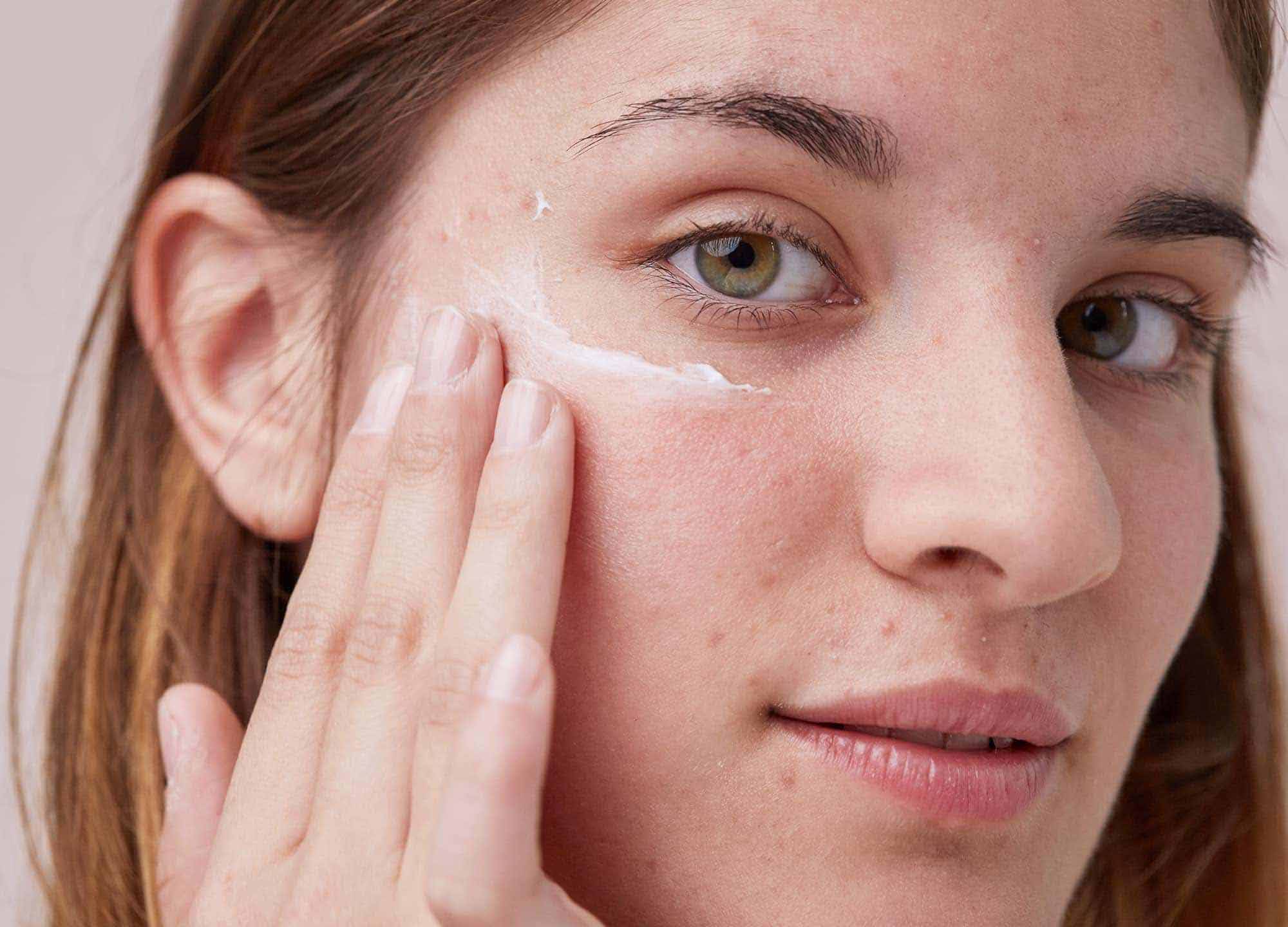
- Use about two finger-lengths for the face.
- Don’t forget neck, ears, and hairline.
- Reapply every 2 hours when outdoors.
For those who wear makeup, sunscreen sticks or powders can help with reapplication.
Additional Tips to Reduce Hyperpigmentation
- Pair sunscreen with vitamin C serum in the morning
- Avoid peak sun hours (10 a.m. to 4 p.m.)
- Wear hats and protective clothing
- Use gentle exfoliation at night
While building your skincare routine, remember that makeup choices also matter. For instance, when learning How to Build a Beginner-Friendly Makeup Kit on a Budget, including a tinted sunscreen can serve as both complexion coverage and daily sun protection.
Mineral vs Chemical Sunscreen for Hyperpigmentation
Mineral Sunscreens:
- Reflect UV rays
- Ideal for sensitive skin
- Often better for melasma due to visible light protection
Chemical Sunscreens:
- Absorb UV rays
- Lightweight and invisible finish
- Comfortable for daily wear
For stubborn hyperpigmentation, dermatologists often prefer tinted mineral formulas.
Frequently Asked Questions (FAQs)
Can sunscreen lighten hyperpigmentation?
Sunscreen does not directly lighten dark spots but prevents them from getting darker and allows brightening treatments to work effectively.
Is SPF 30 enough for hyperpigmentation?
SPF 30 is the minimum recommendation, but SPF 50 offers stronger protection, especially for melasma.
Should I wear sunscreen indoors?
Yes, especially if exposed to sunlight through windows or using screens for extended periods.
Do darker skin tones need sunscreen for hyperpigmentation?
Absolutely. Hyperpigmentation can be more persistent in deeper skin tones, making sun protection even more essential.
Can makeup with SPF replace sunscreen?
No. Makeup typically doesn’t provide enough coverage. Always apply dedicated sunscreen first.
Final Thoughts
Using a dermatologist recommended sunscreen for hyperpigmentation is one of the most powerful steps you can take toward achieving an even, radiant complexion. Consistent daily use protects your skin, prevents dark spots from worsening, and supports the effectiveness of your skincare treatments.