

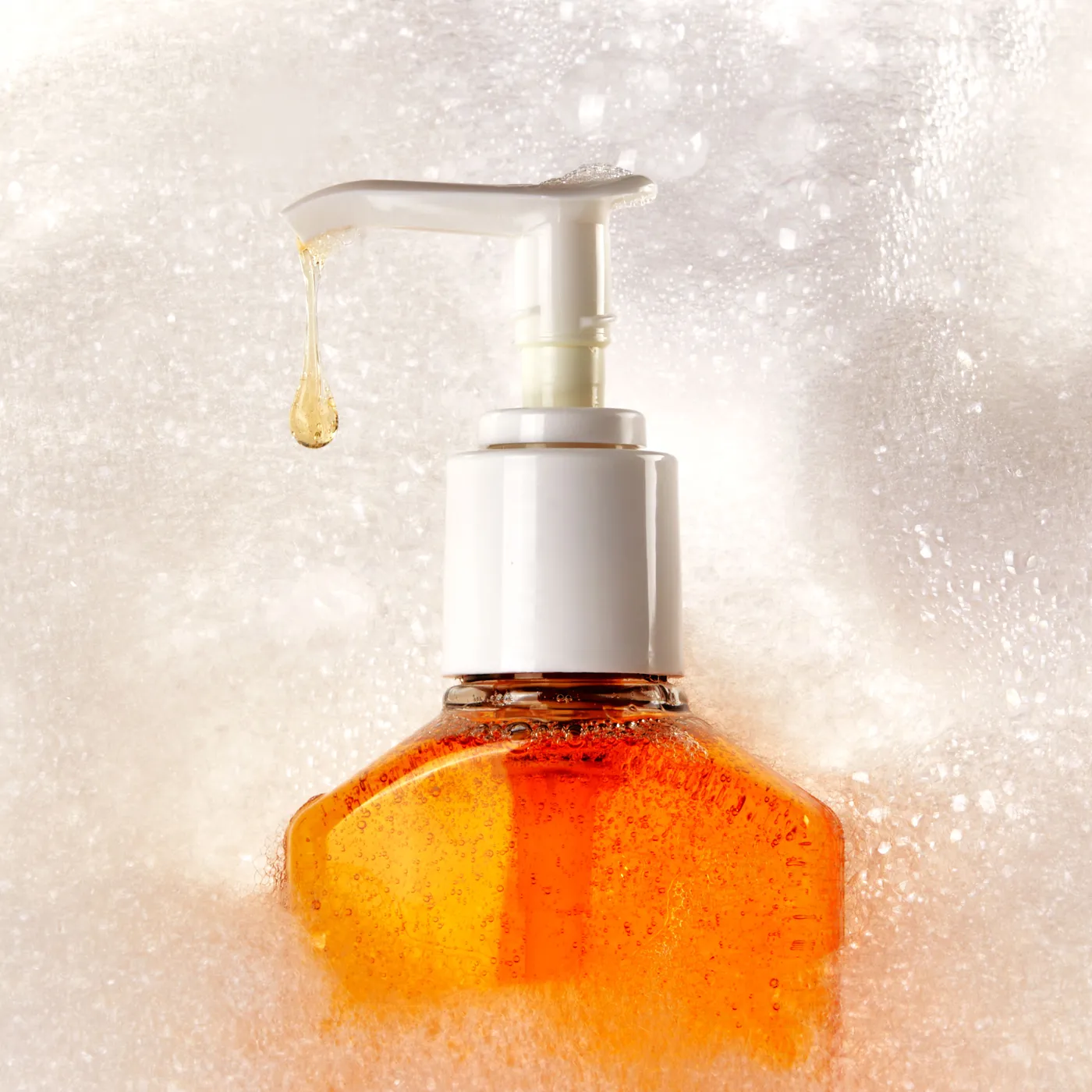
Choosing the right face cleansers for acne-prone skin is one of the most important steps in building an effective skincare routine. Cleansing sets the foundation for clearer skin by removing excess oil, dirt, bacteria, and impurities that can clog pores and trigger breakouts. However, using the wrong cleanser can worsen acne, cause irritation, or strip the skin’s natural barrier.
This guide explains what acne-prone skin needs, which ingredients to look for, what to avoid, and how to cleanse properly for healthier, clearer skin.
What Is Acne-Prone Skin?
Acne-prone skin is more likely to develop pimples, blackheads, whiteheads, and clogged pores. This skin type often produces excess oil, but it can also be sensitive or dehydrated at the same time. Acne-prone skin requires gentle yet effective cleansing that controls oil without causing dryness or irritation.
A well-formulated cleanser helps prevent future breakouts while supporting overall skin health.
Why Cleansing Is Crucial for Acne-Prone Skin
Daily cleansing removes impurities that contribute to acne formation. Skipping cleanser or using harsh products can lead to:
- Increased oil production
- Inflamed breakouts
- Damaged skin barrier
- Post-acne marks
- Slower healing
The goal is to keep pores clean while maintaining balance.
Key Ingredients to Look For in Face Cleansers
When shopping for face cleansers for acne-prone skin, ingredient selection matters more than brand names.
Acne-Fighting Ingredients
- Salicylic Acid: Unclogs pores and reduces breakouts
- Benzoyl Peroxide: Targets acne-causing bacteria
- Tea Tree Oil: Helps calm active acne
Gentle, Supportive Ingredients
- Glycerin: Prevents excessive dryness
- Ceramides: Strengthen the skin barrier
- Niacinamide: Helps balance oil and soothe redness
Ingredients to Avoid
- Harsh sulfates
- Strong fragrances
- Alcohol-heavy formulas
- Abrasive scrubs
These can irritate acne-prone skin and make breakouts worse.
Best Cleanser Types for Acne-Prone Skin
Different cleanser formats suit different acne concerns.
- Gel Cleansers: Ideal for oily and acne-prone skin
- Foaming Cleansers: Remove excess oil effectively
- Cream Cleansers: Best for acne-prone but dry or sensitive skin
- Micellar Cleansers: Gentle option for minimal irritation
Avoid bar soaps, as they are often too alkaline for facial skin.
Face Cleansers Comparison Table
| Cleanser Type | Best For | Key Benefits | Skin Feel |
|---|---|---|---|
| Gel Cleanser | Oily acne-prone skin | Deep pore cleansing | Fresh, light |
| Foaming Cleanser | Excess oil | Removes buildup | Clean, matte |
| Cream Cleanser | Dry acne-prone skin | Gentle hydration | Soft, calm |
| Salicylic Acid Cleanser | Frequent breakouts | Unclogs pores | Balanced |
| Gentle Non-Foaming | Sensitive acne skin | Reduces irritation | Comfortable |
How to Cleanse Acne-Prone Skin Correctly
Proper technique is just as important as the cleanser itself.
- Wash hands before touching your face
- Use lukewarm water, not hot
- Apply a small amount of cleanser
- Massage gently for 30–60 seconds
- Rinse thoroughly and pat dry
- Follow with a suitable moisturizer
Over-cleansing can irritate the skin, so cleansing twice daily is enough.
Common Cleansing Mistakes to Avoid
Many people unknowingly worsen acne through cleansing habits.
- Washing the face too often
- Using rough washcloths or scrubs
- Picking or squeezing pimples
- Switching cleansers too frequently
- Expecting instant results
Clear skin requires patience and consistency.
Lifestyle Tips That Support Clear Skin
A good cleanser works best when combined with healthy habits:
- Change pillowcases regularly
- Avoid touching your face
- Keep makeup tools clean
- Stay hydrated
- Maintain a balanced skincare routine
Just as people research beauty solutions like DIY Home Remedies for Frizzy Hair, addressing acne also benefits from a holistic approach.
FAQs: Face Cleansers for Acne-Prone Skin
How often should I wash my face if I have acne?
Twice daily—morning and night—is ideal. Overwashing can increase irritation.
Can a cleanser alone clear acne?
A cleanser helps prevent breakouts, but acne often requires additional treatments such as serums or spot treatments.
Is foaming cleanser bad for acne-prone skin?
Not necessarily. Foaming cleansers can work well if they are gentle and non-drying.
Should acne-prone skin use exfoliating cleansers daily?
No. Exfoliating cleansers should be used only a few times per week to avoid irritation.
How long does it take to see results from a new cleanser?
It usually takes 2–4 weeks to notice improvements, depending on your skin and consistency.
Final Thoughts
Choosing the right face cleansers for acne-prone skin is a crucial step toward clearer, healthier skin. The best cleanser gently removes impurities, controls oil, and supports the skin barrier without causing dryness or irritation. By understanding your skin’s needs, using the right ingredients, and cleansing consistently, you can significantly reduce breakouts and improve your overall complexion over time.