

Frizzy hair can be frustrating, especially when it feels dry, unmanageable, and difficult to style. Whether caused by humidity, heat damage, or lack of moisture, frizz is often a sign that your hair needs extra care and nourishment. The good news is that with the right routine and products, you can restore smoothness and shine.
In this complete guide, we’ll explore the best hair care tips for frizzy hair, including daily habits, natural remedies, and long-term solutions to help you achieve softer, more manageable strands.
What Causes Frizzy Hair?
Before treating frizz, it’s important to understand why it happens. Common causes include:
- Lack of moisture
- Overwashing
- Heat styling damage
- Chemical treatments
- Humidity
- Rough towel drying
- Using harsh shampoos
When the outer layer (cuticle) of your hair lifts, moisture from the air enters the hair shaft, causing it to swell and appear frizzy.
1. Choose a Sulfate-Free Shampoo
Harsh shampoos strip natural oils, leaving hair dry and prone to frizz.
What to Look For:
- Sulfate-free formulas
- Hydrating ingredients like argan oil or shea butter
- Moisturizing proteins
Washing your hair 2–3 times per week instead of daily can also help preserve natural oils.
2. Never Skip Conditioner
Conditioner helps seal the hair cuticle and lock in moisture.
Tips:
- Focus on mid-lengths and ends
- Leave it on for at least 2–3 minutes
- Use a deep conditioning mask once a week
Hydrated hair is less likely to frizz.
3. Use a Microfiber Towel or Cotton T-Shirt
Traditional towels create friction, which roughens the hair cuticle.
Instead:
- Gently squeeze out excess water
- Wrap hair in a microfiber towel
- Avoid vigorous rubbing
Reducing friction significantly minimizes frizz.
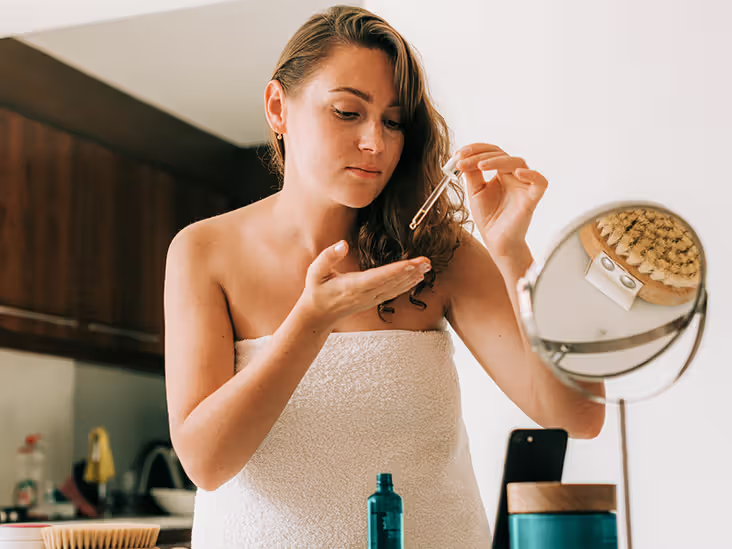
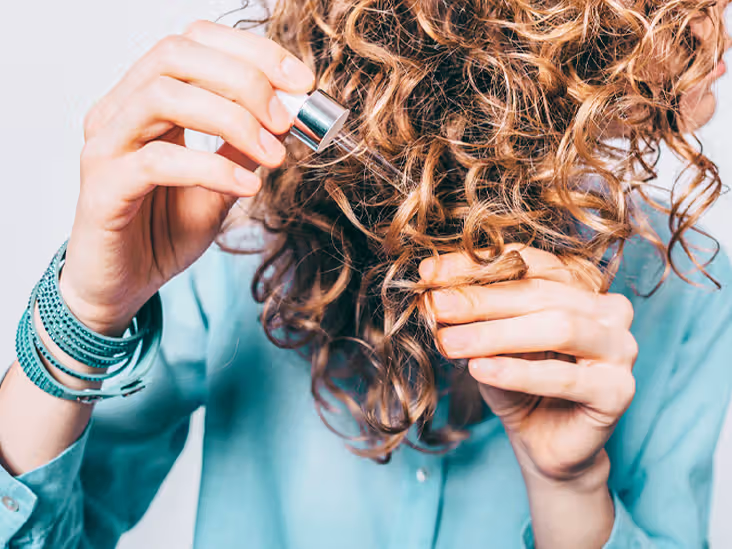
4. Apply Leave-In Conditioner or Serum
Leave-in products create a protective barrier against humidity.
Recommended Ingredients:
- Argan oil
- Coconut oil
- Keratin
- Glycerin
Apply to damp hair before styling for smoother results.
5. Limit Heat Styling
Frequent use of straighteners and curling irons weakens hair structure.
Smart Heat Habits:
- Always use a heat protectant
- Lower the temperature setting
- Air-dry whenever possible
Reducing heat exposure improves long-term hair health.
6. Deep Condition Weekly
A weekly deep conditioning treatment replenishes lost moisture.
Natural DIY Mask:
- 1 mashed avocado
- 1 tablespoon olive oil
- 1 tablespoon honey
Apply for 20–30 minutes before rinsing thoroughly.
Consistent deep conditioning strengthens the hair shaft and improves shine.
7. Avoid Over-Brushing
Brushing dry hair excessively can cause static and breakage.
Better Alternatives:
- Use a wide-tooth comb on damp hair
- Start detangling from the ends upward
- Avoid plastic brushes that cause static
Gentle detangling protects your hair from damage.
8. Protect Hair While Sleeping
Friction against pillowcases contributes to frizz.
Try This:
- Sleep on a silk or satin pillowcase
- Use a loose braid or bun
- Wrap hair in a silk scarf
These small adjustments can significantly reduce overnight frizz.
9. Use Anti-Frizz Styling Products
Look for styling creams specifically designed for frizzy hair.
These products:
- Smooth the cuticle
- Add shine
- Control flyaways
- Improve manageability
Apply sparingly to avoid buildup.
10. Maintain a Healthy Diet
Hair health starts from within.
Nutrients for Smooth Hair:
- Omega-3 fatty acids
- Biotin
- Vitamin E
- Protein
Just like skincare routines emphasize internal care—similar to approaches discussed in How to Reduce Fine Lines and Wrinkles Naturally—hair care also benefits from balanced nutrition and hydration.
Hair Care Routine Overview
| Step | Purpose | Frequency |
|---|---|---|
| Sulfate-Free Shampoo | Gentle cleansing | 2–3 times weekly |
| Conditioner | Hydration | Every wash |
| Deep Conditioning | Repair & moisture | Weekly |
| Leave-In Treatment | Frizz control | After every wash |
| Heat Protection | Damage prevention | Before heat styling |
| Silk Pillowcase | Reduce friction | Daily |
11. Avoid Chemical Overprocessing
Frequent coloring, bleaching, or relaxing weakens hair structure.
If possible:
- Space out chemical treatments
- Use bond-repair products
- Consult a professional stylist
Healthy hair is naturally less prone to frizz.
12. Control Humidity Exposure
Humidity is a major trigger for frizz.
To manage it:
- Use anti-humidity sprays
- Tie hair in protective styles on humid days
- Avoid touching hair frequently
Minimizing environmental exposure helps maintain smoothness.
Frequently Asked Questions (FAQs)
1. Why does my hair get frizzy even after conditioning?
You may need a deeper moisturizing treatment or a leave-in product to seal the cuticle properly.
2. Is frizzy hair damaged hair?
Not always. Frizz can result from dryness or humidity, though damage can make it worse.
3. Can natural oils reduce frizz?
Yes, oils like argan and coconut oil help smooth and hydrate hair.
4. Should I brush frizzy hair when dry?
It’s better to detangle when damp using a wide-tooth comb to prevent breakage.
5. How long does it take to reduce frizz?
With consistent care, improvements can be seen within a few weeks.
Conclusion
Managing frizz requires consistent moisture, gentle handling, and protective habits. By choosing sulfate-free products, limiting heat, deep conditioning regularly, and protecting your hair from friction and humidity, you can significantly improve smoothness and shine.