

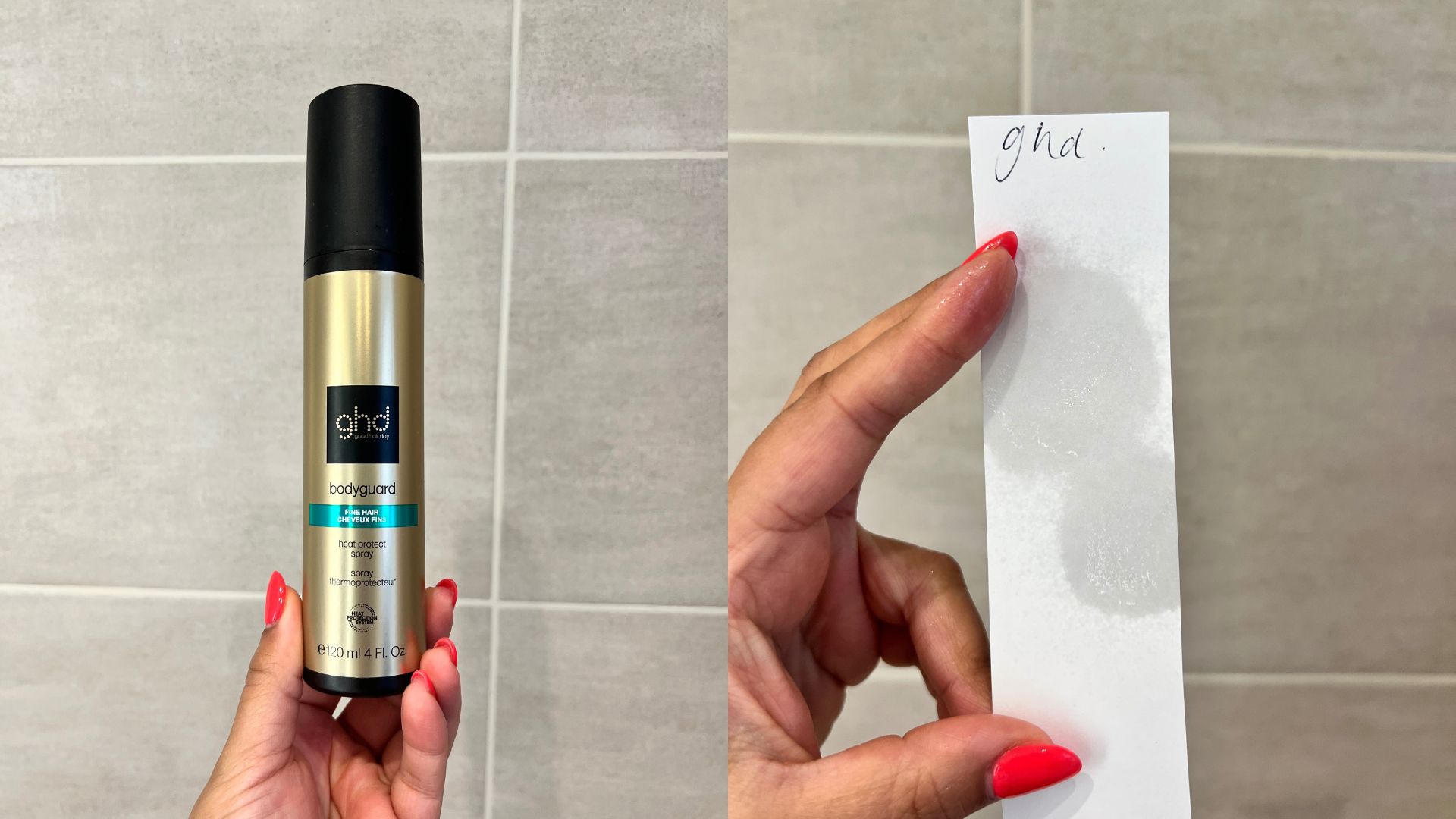
Fine hair is especially vulnerable to heat damage. Its smaller diameter makes it more prone to breakage, dryness, and loss of volume when exposed to styling tools like blow dryers, straighteners, and curling irons. Heat protection sprays are essential for anyone with fine hair who styles regularly, but choosing the wrong formula can weigh hair down or make it greasy.
This guide explains how heat protection sprays work, what ingredients to look for, how to use them correctly, and how to protect fine hair without sacrificing volume.
Why Fine Hair Needs Heat Protection
Fine hair heats up faster than thick hair, which increases the risk of damage even at lower temperatures. Without protection, repeated heat exposure can cause:
- Split ends
- Breakage and thinning
- Dry, brittle texture
- Loss of natural shine
- Reduced elasticity
Heat protection sprays act as a barrier between your hair and styling tools, reducing moisture loss and structural damage.
How Heat Protection Sprays Work
Heat protection sprays coat the hair shaft with lightweight polymers or silicones that distribute heat more evenly and slow down moisture evaporation. This helps prevent hair from overheating and cracking under high temperatures.
Key benefits include:
- Reduced heat penetration
- Smoother cuticle surface
- Improved styling results
- Less frizz and flyaways
For fine hair, the formula must be light enough to protect without flattening volume.
What to Look for in Heat Protection Sprays for Fine Hair
Choosing the right spray is crucial. Fine hair benefits from products that are protective yet weightless.
Ideal Features
- Lightweight, spray-based formulas
- Alcohol-free or low-alcohol content
- Non-greasy finish
- Volume-friendly ingredients
Avoid heavy creams or oils, which can make fine hair limp.
Best Ingredients for Fine Hair Heat Protection
| Ingredient | Benefit | Suitable for Fine Hair |
|---|---|---|
| Hydrolyzed Proteins | Strengthen hair fibers | Yes |
| Silicones (lightweight) | Heat barrier and smoothness | Yes |
| Panthenol (Vitamin B5) | Moisture retention | Yes |
| Glycerin (low %) | Hydration without heaviness | Yes |
| Plant Extracts | Added softness and shine | Yes |
These ingredients protect hair while maintaining natural movement and volume.
Ingredients Fine Hair Should Avoid
Some common ingredients can weigh fine hair down or cause buildup.
- Heavy oils like castor or coconut oil
- Thick butters
- High concentrations of waxes
- Sticky resins
Fine hair needs protection without residue.
How to Use Heat Protection Spray Correctly
Proper application ensures maximum protection and optimal styling results.
Step-by-Step Application
- Start with clean, towel-dried or dry hair
- Hold the spray 6–8 inches away
- Mist lightly and evenly, focusing on mid-lengths and ends
- Comb through to distribute product
- Style using heat tools
Using too much product can make fine hair look flat, so less is more.
Heat Protection Sprays vs Creams for Fine Hair
| Feature | Heat Protection Spray | Heat Protection Cream |
|---|---|---|
| Texture | Lightweight mist | Thick and rich |
| Best for Fine Hair | Yes | Usually No |
| Volume-Friendly | Yes | Can weigh hair down |
| Application | Easy and even | Requires careful use |
| Buildup Risk | Low | Higher |
Sprays are generally the better option for fine hair types.
How Often Should You Use Heat Protection?
Heat protection spray should be used every time you apply heat, even if you’re styling briefly. Reapplying is recommended if you restyle or use multiple heat tools in one session.
Protecting hair consistently works the same way targeted skincare does—just as routines that include Best Face Serums for Hyperpigmentation and Dark Spots require regular use for visible results, hair protection depends on consistency.
Common Mistakes to Avoid
- Skipping heat protection on low heat settings
- Applying spray only to the top layer of hair
- Using too much product
- Applying after heat styling instead of before
- Relying on heat protection alone without trimming split ends
Avoiding these mistakes helps preserve fine hair’s strength and appearance.
Can Heat Protection Sprays Repair Damage?
Heat protection sprays do not repair existing damage, but they help prevent further harm. Some formulas contain strengthening ingredients that temporarily improve the look and feel of damaged hair, but regular trims and proper care are still necessary.
Frequently Asked Questions (FAQs)
Are heat protection sprays necessary for fine hair?
Yes. Fine hair is more prone to heat damage and benefits greatly from protection.
Can I use heat protection spray on dry hair?
Yes. Many sprays are designed for both damp and dry hair. Always check product instructions.
Will heat protection spray make my hair greasy?
Not if you choose a lightweight formula and apply it sparingly.
Is one heat protection spray enough for all tools?
Yes. Most sprays protect against blow dryers, straighteners, and curling irons.
Can I skip heat protection if I don’t style often?
If you use heat even occasionally, protection is still recommended.
Final Thoughts
Heat protection sprays for fine hair are a non-negotiable step for maintaining hair health while styling. The right lightweight formula shields delicate strands from damage without sacrificing volume or softness. By choosing fine-hair-friendly ingredients and applying the product correctly, you can enjoy styled hair that remains strong, smooth, and resilient over time.