

Dandruff is a common scalp concern that can cause itching, flaking, and discomfort. While there are numerous commercial solutions available, many contain harsh chemicals that may irritate sensitive skin. Herbal hair masks offer a natural, soothing, and effective alternative to control dandruff while nourishing the scalp and hair.
This guide explores the best herbal ingredients for dandruff control, DIY masks, tips for usage, and how herbal care complements a healthy hair routine.
Why Herbal Hair Masks Work for Dandruff
Herbal hair masks work by combining natural antifungal, antibacterial, and soothing properties to address the root causes of dandruff. Key benefits include:
- Reducing fungal growth that causes flaking
- Soothing itchiness and scalp inflammation
- Strengthening hair follicles and preventing breakage
- Improving blood circulation to the scalp
- Providing natural moisture without harsh chemicals
Unlike chemical-laden shampoos or treatments, herbal hair masks nourish the scalp gently, making them ideal for frequent use.
Top Herbal Ingredients for Dandruff Control
- Neem – Known for its antibacterial and antifungal properties, neem helps combat dandruff while soothing an itchy scalp.
- Aloe Vera – Moisturizes the scalp and reduces irritation, preventing dryness that triggers flaking.
- Fenugreek Seeds – Rich in proteins and nicotinic acid, fenugreek strengthens hair and combats dandruff-causing fungus.
- Amla (Indian Gooseberry) – Promotes a healthy scalp, reduces itchiness, and adds shine to hair.
- Tea Tree Oil – Natural antifungal properties make it a popular remedy for persistent dandruff.
- Bhringraj – Nourishes hair and balances scalp oil production.
- Coconut Oil – Moisturizes and reduces fungal growth while strengthening hair strands.
DIY Herbal Hair Masks for Dandruff
1. Neem and Aloe Vera Mask
- Ingredients: 2 tbsp neem paste, 2 tbsp aloe vera gel
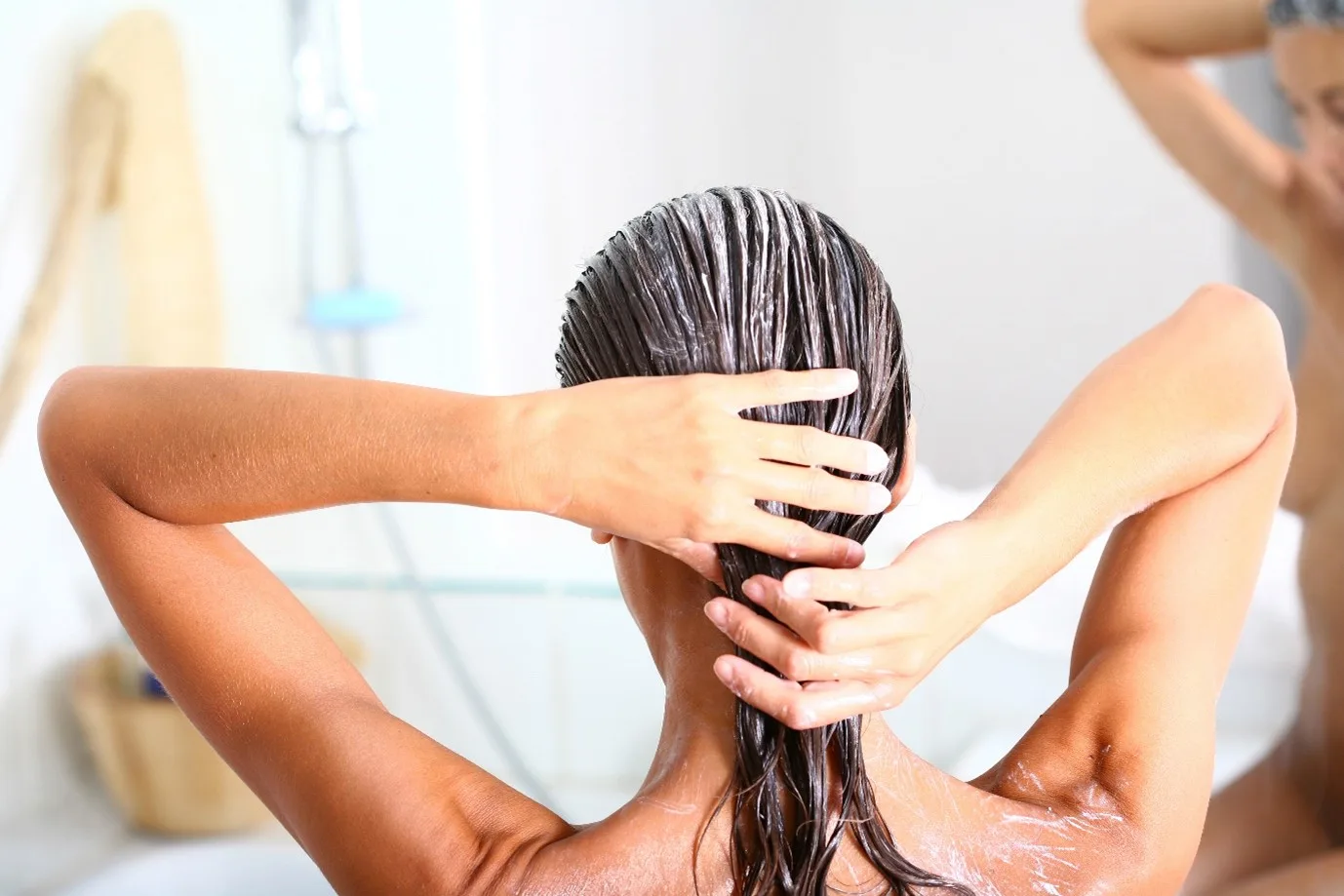
- Instructions: Mix neem paste with aloe vera gel. Apply to scalp and hair, leave for 30 minutes, then rinse with lukewarm water.
2. Fenugreek and Yogurt Mask
- Ingredients: 2 tbsp fenugreek powder, 3 tbsp plain yogurt
- Instructions: Combine fenugreek powder and yogurt into a smooth paste. Massage into scalp, leave for 30–40 minutes, then rinse.
3. Amla and Coconut Oil Mask
- Ingredients: 2 tbsp amla powder, 2 tbsp coconut oil
- Instructions: Mix amla powder with coconut oil. Warm slightly, apply to scalp, leave for 1 hour, then wash with a mild shampoo.
4. Tea Tree and Aloe Vera Mask
- Ingredients: 5 drops tea tree oil, 2 tbsp aloe vera gel
- Instructions: Mix tea tree oil with aloe vera gel. Apply to scalp, leave for 20–30 minutes, then rinse.
5. Bhringraj and Yogurt Mask
- Ingredients: 2 tbsp bhringraj powder, 3 tbsp yogurt
- Instructions: Make a paste and massage into scalp. Leave for 30–45 minutes, rinse with lukewarm water, repeat 1–2 times per week.
Comparison of Herbal Masks
| Mask | Key Ingredients | Main Benefits | Frequency |
|---|---|---|---|
| Neem & Aloe Vera | Neem, Aloe Vera | Anti-fungal, soothes scalp | 1–2 times/week |
| Fenugreek & Yogurt | Fenugreek, Yogurt | Strengthens hair, reduces flakes | 1–2 times/week |
| Amla & Coconut Oil | Amla, Coconut Oil | Moisturizes, reduces dandruff | 1 time/week |
| Tea Tree & Aloe Vera | Tea Tree Oil, Aloe Vera | Anti-fungal, reduces itchiness | 1–2 times/week |
| Bhringraj & Yogurt | Bhringraj, Yogurt | Nourishes scalp, balances oil | 1–2 times/week |
Tips for Maximum Effectiveness
- Consistency is Key: Use masks regularly for 4–6 weeks to see noticeable improvement.
- Gentle Shampooing: Avoid harsh shampoos; opt for sulfate-free or herbal options.
- Scalp Massage: Massaging the mask increases blood circulation and absorption of nutrients.
- Avoid Overuse: Applying masks too frequently can lead to scalp oiliness or buildup.
- Healthy Lifestyle: Balanced diet, hydration, and stress management support scalp health.
Herbal Hair Care and Clean Beauty
Using herbal hair masks aligns with the growing trend of clean beauty. Similar to how Clean Beauty Products Safe for Pregnancy prioritize natural, non-toxic ingredients, herbal hair masks provide chemical-free care that is safe, effective, and nourishing. Choosing herbal solutions reduces exposure to sulfates, parabens, and synthetic fragrances while promoting long-term hair health.
Frequently Asked Questions (FAQs)
How long does it take for herbal hair masks to reduce dandruff?
Results typically appear after 4–6 weeks of consistent use, depending on severity and scalp condition.
Can I leave herbal masks on overnight?
Some masks like neem and aloe vera are gentle enough for overnight application, but most should be left for 30–60 minutes.
Are herbal masks safe for color-treated hair?
Yes, most herbal masks are gentle, but always test a small section to ensure no color fading occurs.
Can I use more than one herbal mask per week?
Yes, but avoid overuse. Alternate masks to balance cleansing, nourishment, and moisture.
Can herbal masks replace medicated anti-dandruff shampoos?
Herbal masks are preventive and soothing. For severe dandruff or fungal infections, consult a dermatologist for combined treatment.
Final Thoughts
Herbal hair masks for dandruff control offer a safe, natural, and effective solution to manage flaking, itching, and scalp irritation. Ingredients like neem, aloe vera, fenugreek, and amla nourish the scalp while addressing the root causes of dandruff. Regular use, combined with gentle hair care practices, ensures a healthy scalp and strong, shiny hair.
By embracing herbal solutions, you can maintain a chemical-free, clean hair care routine that prioritizes both scalp health and natural beauty.