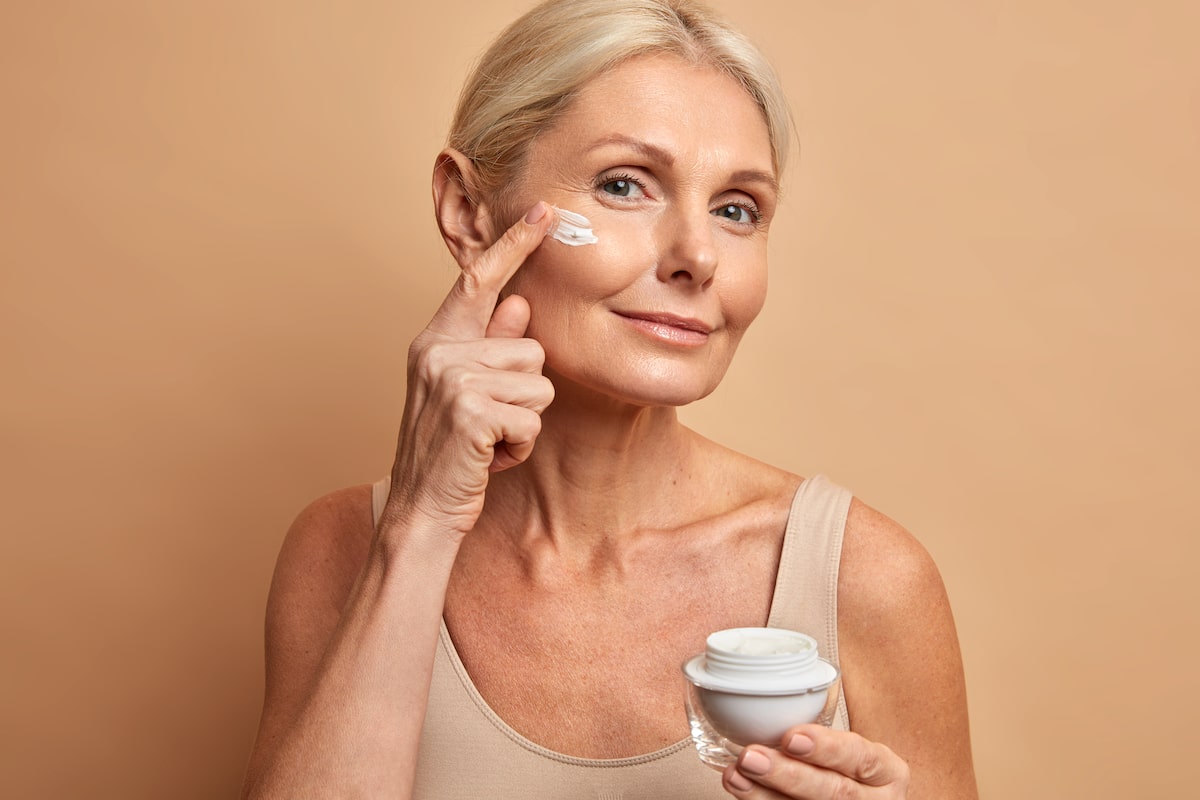


Choosing the right moisturizer is essential for maintaining healthy, hydrated, and balanced skin. A moisturizer not only prevents dryness but also protects the skin barrier and improves texture. However, with so many options available, selecting the best moisturizer for your skin type can be confusing.
This guide explains how to choose the perfect moisturizer based on your skin type and concerns, so you can achieve healthy and radiant skin.
Understanding Your Skin Type
The first step in choosing a moisturizer is understanding your skin type. Different skin types require different formulations to stay healthy.
1. Oily Skin
- Produces excess sebum
- Appears shiny, especially on the T-zone
- Prone to acne and clogged pores
Moisturizer Tips: Look for oil-free, non-comedogenic moisturizers that are lightweight and gel-based to hydrate without clogging pores.
2. Dry Skin
- Feels tight or rough
- Prone to flakiness
- Can develop fine lines quickly
Moisturizer Tips: Opt for cream-based or rich moisturizers with ingredients like hyaluronic acid, shea butter, or ceramides to restore moisture and strengthen the skin barrier.
3. Combination Skin
- Oily in the T-zone (forehead, nose, chin)
- Dry or normal on cheeks and other areas
Moisturizer Tips: Use a lightweight moisturizer for the oily areas and a slightly richer formula on dry areas. Multi-purpose moisturizers that balance skin are ideal.
4. Sensitive Skin
- Easily irritated by harsh ingredients
- Redness, burning, or itching may occur
Moisturizer Tips: Choose fragrance-free, hypoallergenic, and soothing formulas with ingredients like aloe vera, chamomile, or ceramides to calm and protect the skin.
5. Normal Skin
- Balanced oil and moisture levels
- Rarely sensitive or problematic
Moisturizer Tips: Most lightweight or medium hydration moisturizers will work well. Look for products that maintain skin health and provide additional benefits like antioxidants.
Key Ingredients to Look For
The right ingredients depend on your skin type and concerns. Here’s a quick guide:
| Skin Type | Recommended Ingredients | Benefits |
|---|---|---|
| Oily | Hyaluronic acid, glycerin, aloe vera | Hydrates without clogging pores |
| Dry | Shea butter, ceramides, squalane | Deeply nourishes and locks in moisture |
| Sensitive | Aloe vera, chamomile, oat extract | Soothes irritation and protects skin |
| Aging | Retinol, peptides, antioxidants | Reduces fine lines and boosts skin elasticity |
| Normal | Vitamin E, niacinamide | Maintains healthy balance and texture |
Moisturizer Textures and Formulations
The texture of your moisturizer affects how it feels and absorbs into your skin.
- Gel: Lightweight, absorbs quickly, suitable for oily and combination skin.
- Cream: Rich and nourishing, ideal for dry or aging skin.
- Lotion: Light to medium hydration, works for normal or combination skin.
- Oil-based: Deeply moisturizing, best for very dry or sensitive skin.
Tips for Using Moisturizer Effectively
- Apply moisturizer on clean, slightly damp skin to lock in hydration.
- Use a small amount and spread evenly across your face.
- For daytime, pair with sunscreen to protect your skin.
- For nighttime, consider a richer formula to repair and nourish while you sleep.
Common Mistakes to Avoid
- Using the wrong moisturizer for your skin type
- Overapplying or underapplying product
- Ignoring seasonal changes (skin may need heavier moisturizer in winter)
- Not checking ingredients for allergies or sensitivities
Correct usage ensures maximum benefit and prevents irritation or breakouts.
Special Considerations for Acne-Prone Skin
For teenagers or adults prone to acne, selecting a non-comedogenic, oil-free moisturizer is crucial. These products hydrate the skin without clogging pores or worsening acne. Learning from Best Beauty Tips for Teenage Girls with Acne can also guide your skincare routine for clear and balanced skin.
Frequently Asked Questions (FAQs)
1. How do I know if my moisturizer is working?
Your skin should feel soft, hydrated, and comfortable without excessive oiliness or irritation.
2. Can I use the same moisturizer for day and night?
Yes, but night moisturizers are usually richer to support skin repair while sleeping.
3. Should oily skin skip moisturizer?
No, oily skin still needs hydration. Choose lightweight, oil-free formulas.
4. Can a moisturizer help with fine lines?
Yes, moisturizers with peptides, retinol, or antioxidants can improve elasticity and reduce early signs of aging.
5. How often should I moisturize?
Twice daily—morning and night—is ideal for most skin types.
Conclusion
Choosing the right moisturizer is essential for maintaining healthy, hydrated, and radiant skin. Understanding your skin type, selecting appropriate ingredients, and using the product correctly ensures optimal results.
Whether you have oily, dry, combination, or sensitive skin, a consistent moisturizing routine tailored to your needs can prevent dryness, protect your skin barrier, and improve overall skin texture. Combining moisturizer use with other skincare tips from Best Beauty Tips for Teenage Girls with Acne can further enhance skin health and appearance.