

Choosing the right foundation is one of the most important steps in achieving flawless makeup. The correct foundation enhances your natural beauty, evens out your complexion, and creates a smooth base for the rest of your makeup. However, many people struggle to find the perfect shade and formula for their skin tone.
Understanding your skin type, undertone, and coverage needs can help you select a foundation that blends naturally and looks beautiful throughout the day. This guide explains how to choose the right foundation for your skin tone with practical tips and useful information.
Why Choosing the Right Foundation Matters
Foundation is designed to even out skin tone and create a smooth appearance. When the wrong shade is used, it can look unnatural, cakey, or too obvious.
A well-matched foundation should:
- Blend seamlessly into your skin
- Match your neck and face tone
- Provide the desired level of coverage
- Complement your skin type
When you choose the correct foundation, your makeup will look more natural and long-lasting.
Understanding Your Skin Tone
Skin tone refers to the natural color of your skin. It usually falls into three main categories.
Fair or Light Skin Tone
People with fair skin usually have very light complexions that may burn easily in the sun.
Medium or Wheatish Skin Tone
Medium skin tones are slightly darker and may tan more easily.
Deep or Dark Skin Tone
Deep skin tones have richer pigmentation and often require foundations specifically designed for darker shades.
Knowing your skin tone helps narrow down the range of foundation shades that will suit you best.
Identifying Your Skin Undertone
In addition to skin tone, undertone plays a crucial role in selecting the correct foundation shade. Undertones are the subtle hues beneath the surface of your skin.
Cool Undertone
Cool undertones have pink, red, or bluish hues.
Signs of cool undertones:
- Silver jewelry looks better than gold
- Veins appear bluish
Warm Undertone
Warm undertones have yellow, golden, or peach hues.
Signs of warm undertones:
- Gold jewelry looks better
- Veins appear greenish
Neutral Undertone
Neutral undertones contain a mix of both warm and cool tones.
Signs of neutral undertones:
- Both silver and gold jewelry suit you
- Veins appear both blue and green
Types of Foundation Based on Skin Type
Choosing the right formula is just as important as choosing the right shade.
| Skin Type | Recommended Foundation | Benefits |
|---|---|---|
| Oily Skin | Matte or oil-free foundation | Controls shine and excess oil |
| Dry Skin | Hydrating or liquid foundation | Provides moisture and smoothness |
| Combination Skin | Balanced or satin finish foundation | Works on both oily and dry areas |
| Sensitive Skin | Mineral foundation | Gentle and less irritating |
Selecting a foundation that suits your skin type ensures comfort and long-lasting wear.
How to Test Foundation Shades
Testing foundation correctly can help you avoid buying the wrong shade.
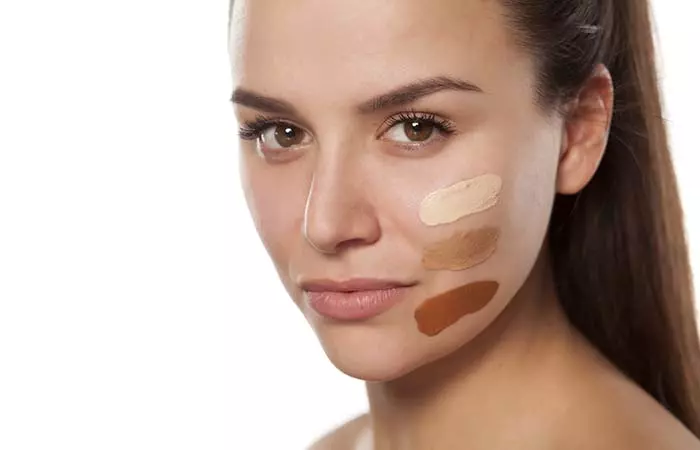
Test on the Jawline
Apply a small amount of foundation along your jawline rather than your hand or wrist. This area helps you see if the shade matches both your face and neck.
Check in Natural Light
Artificial lighting can change how foundation appears. Always check the shade in natural daylight before deciding.
Wait a Few Minutes
Some foundations oxidize after application, which means they may appear slightly darker after a few minutes.
Choosing the Right Coverage Level
Different foundations offer different levels of coverage depending on your needs.
Light Coverage
Light coverage foundations provide a natural look and are ideal for everyday wear.
Medium Coverage
Medium coverage foundations help even out skin tone while still looking natural.
Full Coverage
Full coverage foundations hide blemishes, acne scars, and pigmentation more effectively.
The right coverage depends on your skin condition and personal preference.
Additional Tips for a Perfect Foundation Match
To achieve the best results, consider these additional tips:
- Always prepare your skin with moisturizer and primer.
- Blend foundation evenly using a brush, sponge, or fingertips.
- Avoid using shades that are too light or too dark.
- Set foundation with a light powder for longer wear.
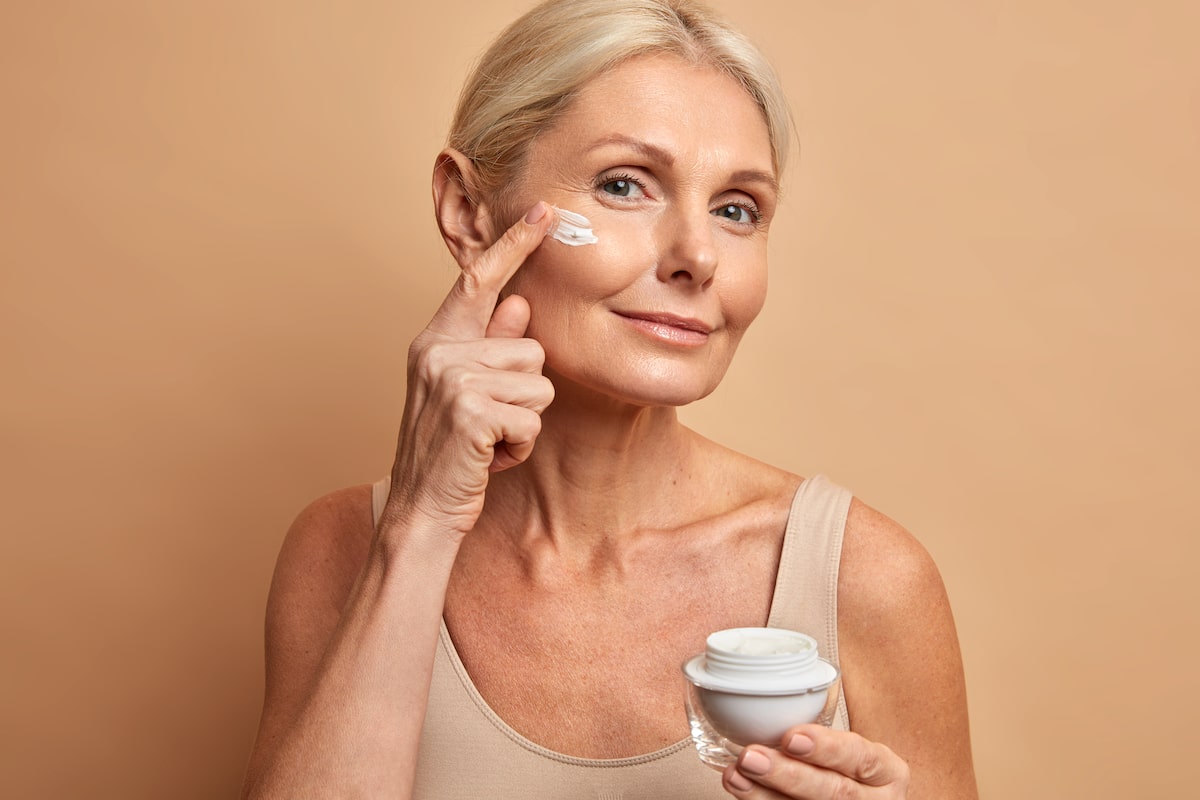
Healthy skin also improves how foundation looks. Following a proper skincare routine, such as the Best Anti Aging Skincare Routine for Women Over 40, can create a smoother base for makeup application.
Common Mistakes to Avoid
Many people make simple mistakes when choosing foundation.
Avoid these common errors:
- Testing foundation on your hands instead of your face
- Choosing a shade that is too light
- Ignoring undertones
- Using the wrong formula for your skin type
- Applying too much product
Avoiding these mistakes will help you achieve a natural and balanced makeup look.
Frequently Asked Questions (FAQs)
1. How do I know my foundation shade?
Test several shades on your jawline and choose the one that blends seamlessly into your skin without leaving a noticeable line.
2. Should foundation match my face or neck?
Foundation should match both your face and neck to create a natural and even appearance.
3. What type of foundation is best for oily skin?
Matte or oil-free foundations are ideal for oily skin because they help control shine.
4. Can I mix foundation shades?
Yes, mixing two shades can help you create a custom color that perfectly matches your skin tone.
5. Why does my foundation look darker after applying?
Some foundations oxidize when exposed to air or skin oils, which can cause them to appear darker after a few minutes.
Conclusion
Choosing the right foundation for your skin tone is essential for achieving a natural and flawless makeup look. By understanding your skin tone, identifying your undertone, and selecting the right formula for your skin type, you can find a foundation that blends perfectly with your complexion.