

Exfoliation is a key step in any effective skincare routine. It helps remove dead skin cells, unclog pores, improve texture, and enhance product absorption. However, when done incorrectly, exfoliation can lead to redness, sensitivity, breakouts, and long-term skin damage. Learning how to exfoliate skin without irritation is essential for maintaining a healthy, balanced complexion.
This guide explains safe exfoliation methods, the best practices for different skin types, and common mistakes to avoid so you can achieve smooth, glowing skin without discomfort.
Why Exfoliation Can Cause Irritation
Skin irritation from exfoliation usually happens due to overuse, harsh products, or improper techniques. Common causes include:
- Using abrasive scrubs with rough particles
- Exfoliating too frequently
- Applying excessive pressure
- Combining multiple exfoliating products
- Exfoliating compromised or inflamed skin
Just like learning How to Maintain Curly Hair Without Frizz requires gentle techniques and consistency, proper exfoliation depends on balance and patience.
Types of Exfoliation Explained
Understanding the two main types of exfoliation helps you choose the safest option for your skin.
Physical Exfoliation
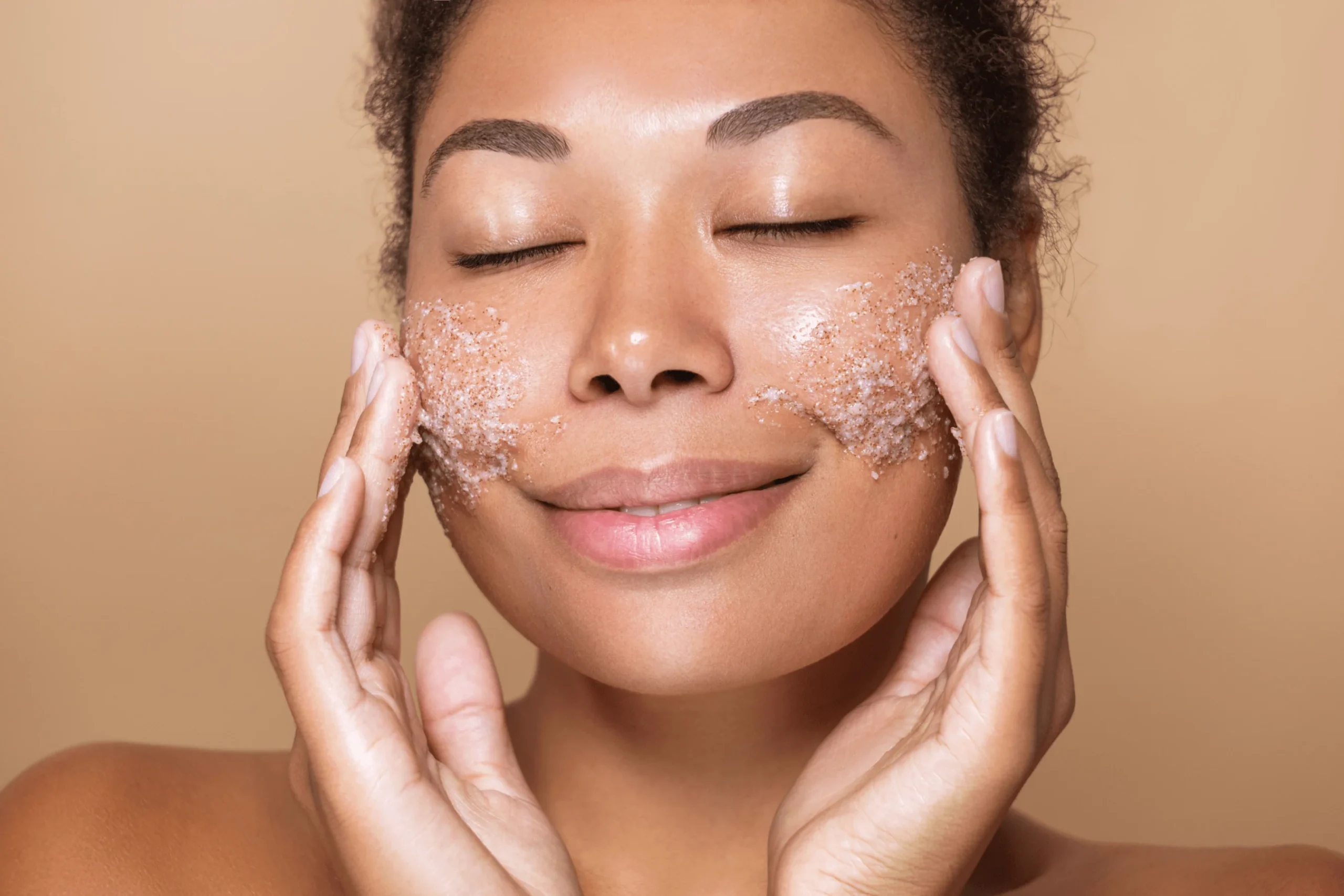
Physical exfoliation uses manual friction to remove dead skin cells. Examples include scrubs, cleansing brushes, and exfoliating cloths.
Pros
- Immediate smoothness
- Simple to use
Cons
- Higher risk of micro-tears
- Can irritate sensitive or acne-prone skin
Chemical Exfoliation
Chemical exfoliation uses acids or enzymes to dissolve dead skin cells without scrubbing.
Common ingredients
- AHAs (glycolic acid, lactic acid)
- BHAs (salicylic acid)
- Enzymes (papaya, pineapple)
Pros
- More even exfoliation
- Less physical damage
Cons
- Overuse can cause sensitivity
- Requires sun protection
How to Exfoliate Skin Without Irritation
1. Know Your Skin Type
Choosing the right exfoliant starts with understanding your skin:
- Sensitive skin: Gentle chemical exfoliants or enzyme-based products
- Dry skin: Mild AHAs with hydrating ingredients
- Oily skin: BHAs that penetrate pores
- Combination skin: Targeted exfoliation by area
2. Exfoliate Less Frequently
More exfoliation does not mean better results. Over-exfoliating damages the skin barrier.
Recommended frequency
- Sensitive skin: Once every 7–10 days
- Normal to dry skin: 1–2 times per week
- Oily skin: 2–3 times per week
3. Use Gentle Pressure
If using a physical exfoliant, let the product do the work. Gentle circular motions are sufficient. Scrubbing harder only increases irritation without improving results.
4. Apply on Damp Skin
Exfoliating on damp skin reduces friction and minimizes irritation, especially with physical exfoliants.
5. Avoid Mixing Exfoliants
Using multiple exfoliating products at the same time increases the risk of sensitivity. Avoid combining scrubs with acids or retinoids in the same routine.
6. Always Moisturize After Exfoliating
Exfoliation temporarily compromises the skin barrier. Applying a soothing moisturizer immediately afterward helps restore hydration and calm the skin.
7. Use Sunscreen Daily
Exfoliated skin is more sensitive to UV damage. Sunscreen is non-negotiable to prevent irritation, pigmentation, and premature aging.
Comparison Table: Safe Exfoliation Methods
| Exfoliation Method | Best For | Irritation Risk | Recommended Frequency |
|---|---|---|---|
| Gentle Scrub | Normal skin | Medium | 1x weekly |
| Enzyme Exfoliant | Sensitive skin | Low | 1x weekly |
| AHA (Lactic Acid) | Dry, dull skin | Low–Medium | 1–2x weekly |
| BHA (Salicylic Acid) | Oily, acne-prone | Medium | 2x weekly |
| Exfoliating Cloth | Body use | Medium | 1–2x weekly |
Signs You Are Over-Exfoliating
Stop exfoliating immediately if you notice:
- Redness or burning sensation
- Increased breakouts
- Tight or shiny skin
- Flaking or peeling
- Stinging when applying skincare products
Allow your skin to recover by focusing on hydration and barrier repair before resuming exfoliation.
Best Ingredients to Look For in Gentle Exfoliants
When shopping for exfoliating products, look for calming and supportive ingredients such as:
- Aloe vera
- Panthenol
- Hyaluronic acid
- Ceramides
- Colloidal oatmeal
These ingredients help reduce irritation and strengthen the skin barrier.
Exfoliation Tips for Sensitive Skin
- Patch test every new product
- Avoid exfoliating during active breakouts
- Do not exfoliate sunburned or irritated skin
- Use lukewarm water instead of hot
- Keep routines simple and consistent
Gentle care is more effective than aggressive treatment.
FAQs: How to Exfoliate Skin Without Irritation
Is chemical exfoliation safer than physical exfoliation?
Chemical exfoliation is often gentler and more even when used correctly, especially for sensitive or acne-prone skin.
Can I exfoliate every day?
Daily exfoliation is not recommended for most skin types. Over-exfoliating damages the skin barrier and causes irritation.
Should I exfoliate in the morning or at night?
Nighttime exfoliation is preferred so the skin can recover overnight and avoid immediate sun exposure.
What should I avoid after exfoliating?
Avoid direct sunlight, harsh products, retinoids, and heavy makeup immediately after exfoliation.
How long does it take for skin to recover from irritation?
Mild irritation may resolve in a few days, while severe over-exfoliation can take one to two weeks to heal with proper care.
Conclusion
Learning how to exfoliate skin without irritation is about choosing the right method, using gentle techniques, and respecting your skin’s limits. Whether you prefer chemical or physical exfoliation, moderation and consistency are key. By exfoliating thoughtfully and supporting your skin with hydration and sun protection, you can enjoy smoother, healthier skin without discomfort.