

Exfoliation is a key step in any skincare routine, helping to remove dead skin cells, unclog pores, and reveal a smoother, brighter complexion. However, improper exfoliation can lead to irritation, redness, and even long-term skin damage. Understanding how to exfoliate your face correctly is essential for maintaining healthy, glowing skin.
This guide will walk you through safe and effective ways to exfoliate your skin without causing harm.
What Is Exfoliation and Why Is It Important?
Exfoliation is the process of removing dead skin cells from the surface of your skin. This helps:
- Improve skin texture and smoothness
- Unclog pores and reduce acne
- Enhance absorption of skincare products
- Promote a natural glow
When done correctly, exfoliation can be one of the most effective Glowing Skin Secrets for achieving radiant skin.
Types of Exfoliation
1. Physical Exfoliation
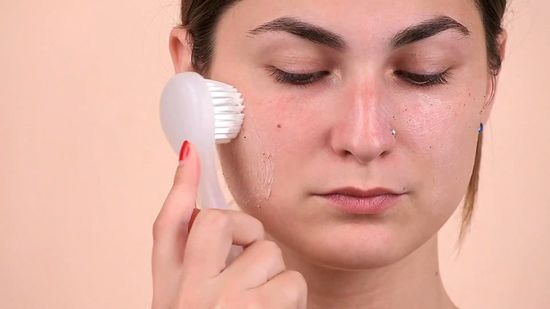
This involves using scrubs or tools to manually remove dead skin cells.
Examples:
- Face scrubs with fine particles
- Exfoliating brushes or sponges
Best for:
- Normal to oily skin (when used gently)
2. Chemical Exfoliation
Chemical exfoliants use acids or enzymes to dissolve dead skin cells.
Common types:
- AHAs (Alpha Hydroxy Acids) for dry or dull skin
- BHAs (Beta Hydroxy Acids) for oily or acne-prone skin
- Enzymes from fruits like papaya or pineapple
Best for:
- Sensitive, acne-prone, or uneven skin
How to Exfoliate Your Face Properly
1. Choose the Right Exfoliant for Your Skin Type
- Dry skin: Use gentle chemical exfoliants like AHAs
- Oily skin: BHAs work well to unclog pores
- Sensitive skin: Opt for mild enzyme exfoliants
- Combination skin: Alternate between gentle chemical and mild physical exfoliation
Choosing the right product reduces the risk of irritation.
2. Start with Clean Skin
Always cleanse your face before exfoliating to remove dirt and oil. This ensures better results and prevents pushing impurities deeper into the skin.
3. Be Gentle
- Use light pressure when applying scrubs
- Avoid harsh rubbing or over-scrubbing
- Follow product instructions carefully
Gentle application prevents micro-tears and irritation.
4. Don’t Over-Exfoliate
Exfoliating too often can damage your skin barrier.
Recommended frequency:
- 1–2 times per week for most skin types
- Once a week for sensitive skin
- Up to 3 times for oily skin (if tolerated)
Balance is key to healthy skin.
5. Moisturize After Exfoliation
Exfoliation can temporarily strip moisture from your skin. Always follow up with a hydrating moisturizer to restore balance and protect your skin barrier.
6. Use Sunscreen
Exfoliated skin is more sensitive to the sun. Apply sunscreen daily to prevent sun damage, hyperpigmentation, and irritation.
Comparison Table: Physical vs Chemical Exfoliation
| Feature | Physical Exfoliation | Chemical Exfoliation |
|---|---|---|
| Method | Manual scrubbing | Uses acids/enzymes |
| Best For | Normal/oily skin | Sensitive/acne-prone skin |
| Risk Level | Higher if overused | Lower when used correctly |
| Results | Immediate smoothness | Gradual improvement |
| Frequency | 1–2 times/week | 1–3 times/week |
Tips for Safe Exfoliation
- Always do a patch test before using new products
- Avoid mixing multiple exfoliants at once
- Listen to your skin—stop if irritation occurs
- Use lukewarm water instead of hot water
- Choose products with gentle, skin-friendly ingredients
Following these tips helps you exfoliate safely and effectively.
Common Mistakes to Avoid
- Over-exfoliating, leading to dryness and irritation
- Using harsh scrubs with large, rough particles
- Skipping moisturizer after exfoliation
- Not wearing sunscreen
- Combining exfoliation with strong active ingredients like retinoids without guidance
Avoiding these mistakes protects your skin and enhances results.
Frequently Asked Questions (FAQs)
1. Can I exfoliate my face every day?
No, daily exfoliation can damage your skin barrier. Stick to 1–3 times per week depending on your skin type.
2. Is chemical exfoliation better than physical?
It depends on your skin type. Chemical exfoliation is generally gentler and more suitable for sensitive skin.
3. Can exfoliation help with acne?
Yes, it helps unclog pores and reduce breakouts when used correctly.
4. What should I do if my skin becomes irritated?
Stop exfoliating immediately, use soothing products, and allow your skin to recover.
5. Should I exfoliate in the morning or at night?
Exfoliating at night is usually better, as it allows your skin to recover while you sleep.
Conclusion
Exfoliating your face properly is essential for maintaining smooth, healthy, and radiant skin. By choosing the right exfoliant, using gentle techniques, and avoiding overuse, you can enjoy the benefits without damaging your skin.