

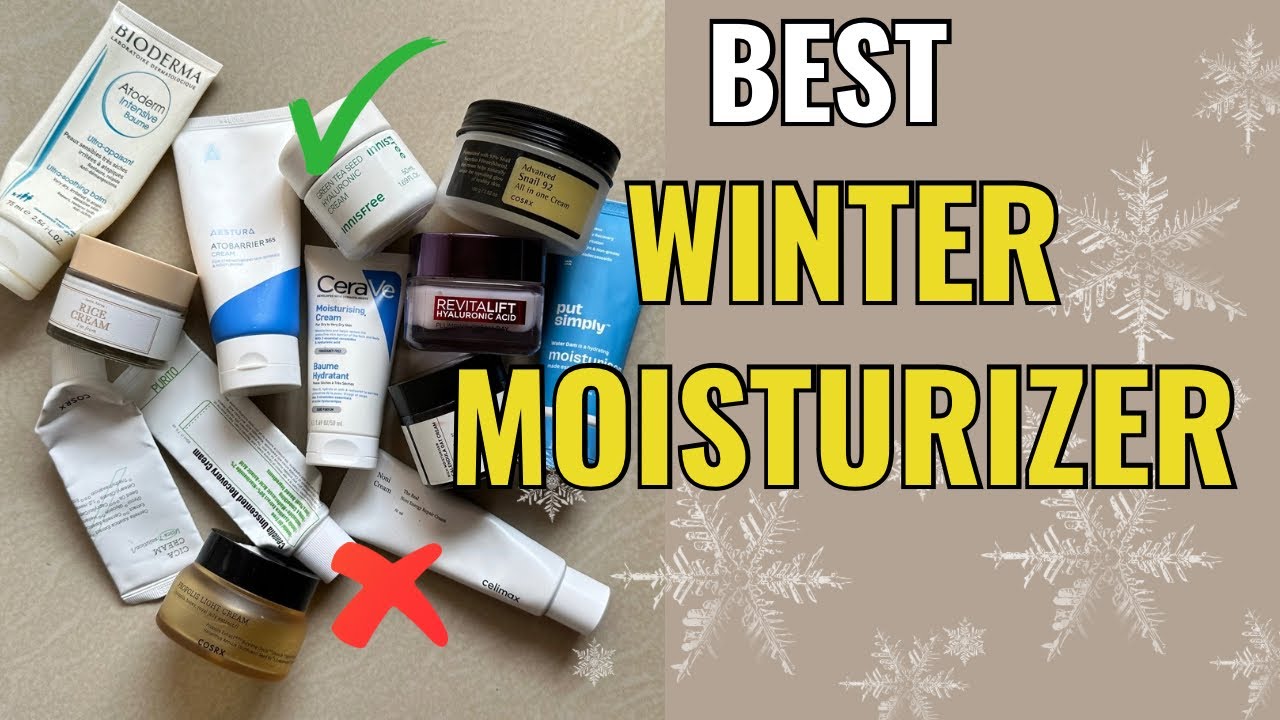
Winter brings cozy sweaters, hot drinks, and brisk air—but it also brings dry, flaky, uncomfortable skin. The cold temperatures and low humidity strip moisture from the skin, leaving it tight, irritated, and dull. Using a hydrating moisturizer formulated for dry winter skin can make a dramatic difference by locking in moisture, restoring the skin barrier, and soothing irritation.
This guide explains what to look for in a winter moisturizer and how to choose the best formula for your skin’s needs.
Why Dry Skin Happens in Winter
Winter air holds less moisture, which means your skin loses water faster. Indoor heating compounds the problem by further drying out the air. As a result, the skin’s natural barrier becomes compromised, increasing transepidermal water loss. Without effective hydration, skin can become itchy, rough, and sensitive.
Common Symptoms of Dry Winter Skin:
- Tightness after washing
- Flakiness or rough texture
- Redness or irritation
- Increased sensitivity
- Fine lines from dehydration
What to Look for in a Winter Moisturizer
A good winter moisturizer should not only hydrate but also strengthen the skin’s protective barrier. Look for ingredients that attract and seal in moisture.
| Ingredient | Function | Benefit |
|---|---|---|
| Hyaluronic Acid | Attracts water to skin | Deep hydration |
| Ceramides | Reinforce skin barrier | Reduces moisture loss |
| Glycerin | Draws moisture into skin | Smooth, soft texture |
| Shea Butter | Rich occlusive | Seals in hydration |
| Squalane | Lightweight emollient | Nourishes without heaviness |
| Niacinamide | Supports barrier function | Soothes irritation |
| Petrolatum | Occlusive barrier | Prevents dehydration |
Best Practices for Using Moisturizer in Winter
1. Apply on Damp Skin
Moisturizer works best when applied to slightly damp skin, such as after cleansing or showering. This helps lock in water.
2. Layer with Serum or Essence
If your skin is very dry, use a hydrating serum or essence before your moisturizer to boost moisture levels.
3. Use Both Morning and Night
Winter dryness can affect your skin throughout the day, so apply your moisturizer twice daily for best results.
4. Don’t Forget SPF
Even in winter, UV protection matters. Use a moisturizer with SPF or follow with a sunscreen during the day.
Types of Hydrating Moisturizers for Winter
Here are the most common moisturizer formats suited for dry winter skin:
| Moisturizer Type | Best For | Notes |
|---|---|---|
| Creams | Very dry skin | Thick, rich texture |
| Balms | Extra dry, cracked skin | Heavy occlusive protection |
| Lotion + Booster | Mild dry skin | Layer for customizable hydration |
| Gel‑Cream | Dehydrated skin | Lightweight but effective |
Creams
Creams are thicker than lotions and provide lasting moisture. They’re ideal for very dry skin or harsh winter conditions.
Balms
Balms are oil‑rich and provide the strongest barrier protection. Use them on especially dry areas like cheeks or elbows.
Lotion + Booster
If your skin isn’t extremely dry but needs hydration, a lotion paired with a hydrating booster serum can be very effective.
Gel‑Creams
Gel‑creams are lightweight and absorb quickly, making them ideal for combination skin experiencing winter dryness.
Common Mistakes to Avoid
- Skipping SPF – UV rays still penetrate in winter.
- Over‑washing – Hot water strips natural oils.
- Ignoring Neck or Hands – These areas also need hydration.
- Using Harsh Ingredients – Avoid alcohol‑heavy formulas that dry skin further.
Recommended Routine for Dry Winter Skin
- Gentle Cleanser – Avoid stripping oils.
- Hydrating Toner or Essence – Prep skin for moisture.
- Hydrating Serum (Optional) – Hyaluronic acid or glycerin.
- Moisturizer – Cream, balm, or gel‑cream.
- Sunscreen in the Morning – Even when it’s cold.
FAQs
Q1: How often should I moisturize in winter?
Twice daily—morning and night—is ideal for maintaining hydration during dry winter months.
Q2: Can I use a heavier moisturizer if I have oily skin?
Yes, you can choose a gel‑cream or lightweight formula that hydrates without feeling heavy.
Q3: Is it necessary to layer products?
Layering serums before moisturizer can boost hydration, especially for very dry skin.
Q4: Why does my skin still feel dry after moisturizing?
It may be due to inadequate barrier support or over‑washing. Consider adding ceramide‑rich products and reducing harsh cleansers.
Q5: Can I use body moisturizer on my face?
No. Body moisturizers may be too thick or contain fragrances that can irritate facial skin.
Conclusion
Hydrating moisturizer for dry winter skin is essential for comfort, protection, and overall skin health. By choosing products with nourishing ingredients like hyaluronic acid, ceramides, and rich emollients, you can strengthen your skin barrier, lock in moisture, and reduce dryness and irritation.
Winter doesn’t have to mean dry, flaky skin. With the right products and routine, your skin can stay hydrated, smooth, and comfortable all season long.