

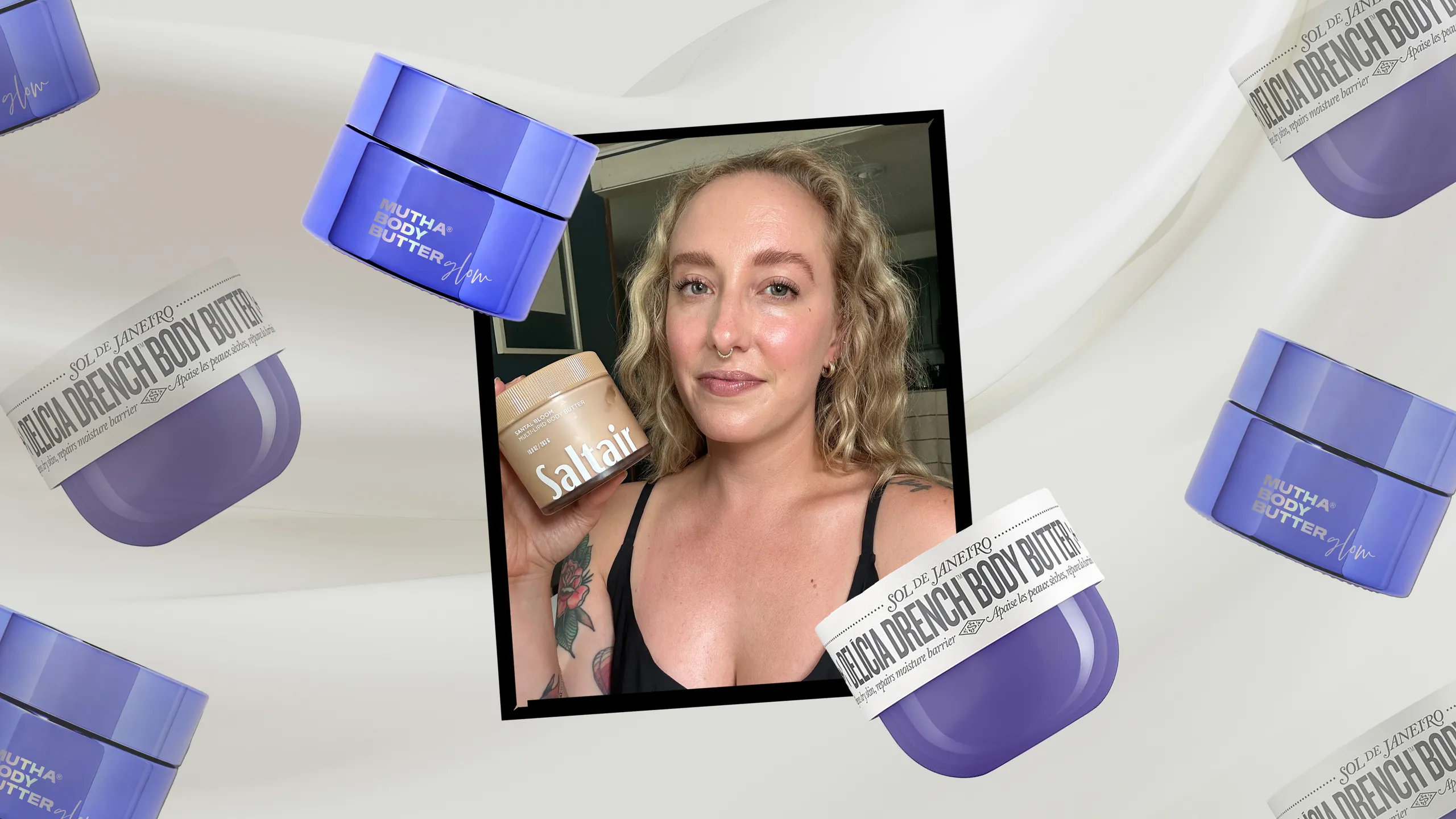
Rough, dry skin can be uncomfortable, itchy, and difficult to manage, especially during colder months or in areas with low humidity. Using the right skincare product is essential for restoring softness and hydration. Moisturizing body butter for rough skin is a powerful solution designed to deeply nourish, repair, and protect your skin. Unlike regular lotions, body butters are rich, creamy, and packed with natural emollients that provide long-lasting moisture.
Why Rough Skin Needs Extra Care
Rough skin usually results from:
- Dehydration
- Harsh soaps and chemicals
- Environmental factors like wind, sun, and cold
- Aging, which reduces natural skin oils
- Lack of exfoliation, causing dead skin buildup
Moisturizing body butter works by locking in hydration, improving skin elasticity, and creating a protective barrier against environmental stressors.
Key Ingredients in Moisturizing Body Butter
When selecting a body butter for rough skin, look for nourishing natural ingredients:
- Shea Butter: Deeply moisturizes, soothes inflammation, and supports skin repair.
- Cocoa Butter: Rich in fatty acids, improves elasticity, and softens rough patches.
- Coconut Oil: Hydrates skin and has antibacterial properties.
- Almond Oil: Nourishes dry skin and adds a subtle glow.
- Vitamin E: Protects against free radicals and promotes skin healing.
- Essential Oils: Lavender, chamomile, or rose for soothing and aroma.
Benefits of Using Body Butter
- Intense Hydration: Thick texture penetrates deeply into the skin.
- Long-Lasting Moisture: Provides hours of hydration compared to lighter lotions.
- Skin Repair: Helps reduce rough patches, dryness, and flakiness.
- Improved Elasticity: Supports firmer, softer skin over time.
- Soothing Effects: Reduces itchiness and irritation caused by dryness.
How to Apply Body Butter for Maximum Results
- Exfoliate First: Remove dead skin cells with a gentle scrub or dry brushing.
- Warm the Butter: Rub a small amount between your palms to soften it.
- Apply on Damp Skin: After showering or bathing, apply body butter to lock in moisture.
- Massage Gently: Use circular motions to help absorption and stimulate circulation.
- Focus on Rough Areas: Knees, elbows, heels, and hands need extra attention.
Comparison Table: Body Butter vs. Regular Lotion
| Feature | Body Butter | Regular Lotion |
|---|---|---|
| Texture | Thick and creamy | Light and runny |
| Moisture Level | High, long-lasting | Medium, needs frequent reapplication |
| Best For | Rough, dry, or aging skin | Normal to slightly dry skin |
| Absorption | Slow, deep hydration | Quick, surface hydration |
| Ideal Application | Damp skin after shower | Anytime during the day |
Tips to Prevent Rough Skin
- Stay Hydrated: Drink plenty of water to keep skin hydrated from within.
- Avoid Hot Showers: Hot water strips natural oils; use lukewarm water instead.
- Use Gentle Cleansers: Avoid harsh soaps that dry out your skin.
- Wear Protective Clothing: Gloves and long sleeves prevent moisture loss in cold weather.
- Healthy Diet: Include foods rich in omega-3 fatty acids, vitamins, and antioxidants.
FAQs About Moisturizing Body Butter
Q1: Can body butter be used on the face?
A: It depends on the formulation. Some body butters are too heavy for facial skin and may cause breakouts. Use only lightweight or specifically labeled facial body butters.
Q2: How often should I apply body butter?
A: For rough skin, apply daily, preferably after showering, or at least twice a day for maximum hydration.
Q3: Can body butter help with eczema?
A: Yes, body butter with natural ingredients like shea or cocoa butter can soothe eczema-prone skin, but consult a dermatologist for severe cases.
Q4: Is body butter suitable for oily skin?
A: Generally, oily skin may prefer lighter moisturizers. Body butter is best for dry or combination skin.
Q5: Can using body butter improve hair quality?
A: While body butter is for skin, maintaining overall hydration supports healthy skin and scalp. For hair, methods like How to Get Shiny Hair Naturally Without Oils focus on nutrition and care specific to hair strands.
How to Choose the Right Body Butter
- Check for Natural Ingredients: Avoid synthetic fragrances and parabens.
- Consider Skin Type: Richer butters for very dry skin, lighter blends for combination skin.
- Fragrance Preference: Essential oils provide aromatherapy benefits without synthetic chemicals.
- Packaging: Tubs are ideal for thick butters; pumps may be better for lighter blends.
Conclusion
Moisturizing body butter is a must-have for anyone struggling with rough, dry skin. Its rich, nourishing formula provides long-lasting hydration, promotes skin repair, and helps restore softness and elasticity. By incorporating body butter into your daily skincare routine, focusing on hydration, and following tips for skin health, rough patches can be minimized effectively.
Using natural, high-quality body butter not only improves texture but also enhances overall skin vitality. For holistic self-care, pairing proper skin hydration with routines like How to Get Shiny Hair Naturally Without Oils ensures that both your skin and hair maintain their natural glow and health.