

Cold weather can be especially harsh on the skin. Low temperatures, dry air, and indoor heating strip away natural moisture, leaving skin dry, tight, flaky, and irritated. Using the right moisturizing cream during winter is essential to protect the skin barrier and maintain a healthy, comfortable glow.
This article explains how cold weather affects your skin, what ingredients to look for in winter moisturizers, and how to use them effectively for maximum hydration.
Why Skin Needs Extra Moisture in Cold Weather
During colder months, humidity levels drop both outdoors and indoors. This dry environment causes the skin to lose moisture more quickly. At the same time, hot showers and heaters further weaken the skin’s protective barrier.
Common winter skin issues include:
- Dry patches and flaking
- Redness and irritation
- Cracked hands and lips
- Increased sensitivity
A good moisturizing cream acts as a shield, locking in hydration and preventing moisture loss.
What Makes a Good Moisturizing Cream for Winter
Not all moisturizers work well in cold weather. Lightweight lotions may be sufficient in summer, but winter requires richer formulas.
Key Features of an Effective Winter Moisturizer
- Thick, creamy texture
- Long-lasting hydration
- Barrier-repairing ingredients
- Minimal fragrance to reduce irritation
Creams and balms are generally more effective than gels during cold months.
Best Ingredients to Look for in Cold Weather Moisturizers
1. Humectants for Deep Hydration
Humectants draw moisture into the skin and help keep it hydrated.
Common humectants include:
- Glycerin
- Hyaluronic acid
- Aloe vera
These ingredients are essential for preventing dryness caused by cold air.
2. Emollients for Softness
Emollients smooth and soften the skin by filling in gaps between skin cells.
Effective emollients include:
- Shea butter
- Cocoa butter
- Natural oils such as almond or jojoba oil
They improve skin texture and comfort during winter.
3. Occlusives for Moisture Lock
Occlusives create a protective layer on the skin to prevent water loss.
Popular occlusive ingredients:
- Beeswax
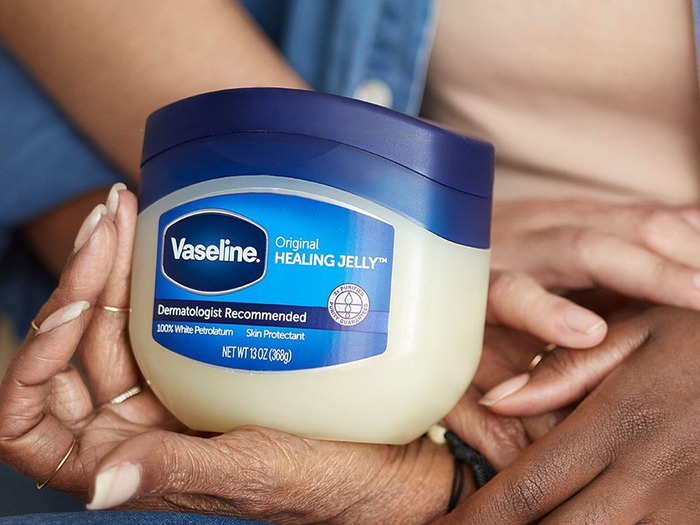
- Petrolatum
- Lanolin
These are especially helpful for very dry or cracked skin.
Choosing the Right Moisturizer for Your Skin Type
Dry Skin
Look for rich creams with a combination of humectants, emollients, and occlusives. Apply multiple times a day if needed.
Oily or Acne-Prone Skin
Choose non-comedogenic creams that still provide barrier protection without clogging pores.
Sensitive Skin
Opt for fragrance-free formulas with soothing ingredients like oat extract or ceramides.
How to Use Moisturizing Creams Effectively in Winter
Using the right product is only part of the solution. Application technique also matters.
Best practices include:
- Apply moisturizer immediately after washing your face or showering
- Use lukewarm water instead of hot
- Reapply hand cream after washing hands
- Apply a thicker layer at night
Consistency is key to keeping skin protected throughout the season.
Don’t Forget These Areas in Cold Weather
Certain areas of the body need extra attention during winter.
- Hands: Frequent washing leads to dryness
- Lips: Thin skin makes them prone to cracking
- Feet: Often neglected but easily dry
- Neck and under-eyes: Sensitive and exposed
Using targeted moisturizing products can prevent discomfort and damage.
Day vs Night Moisturizing Creams in Winter
Day Creams
- Slightly lighter texture
- Absorb quickly
- Work well under makeup
Night Creams
- Thicker and more nourishing
- Support skin repair while you sleep
- Ideal for combating overnight moisture loss
Using both ensures round-the-clock hydration.
The Role of Lifestyle in Winter Skin Care
Moisturizing creams work best when paired with healthy habits. Drinking enough water, eating healthy fats, and getting adequate sleep all support skin hydration. These habits align well with Natural Beauty Tips for Clear Skin, emphasizing long-term skin health rather than quick fixes.
Common Mistakes to Avoid in Cold Weather
- Skipping moisturizer because skin feels oily
- Using harsh cleansers that strip natural oils
- Over-exfoliating dry skin
- Ignoring sunscreen during winter
Avoiding these mistakes helps your moisturizing cream work more effectively.
Frequently Asked Questions (FAQs)
How often should I apply moisturizer in winter?
At least twice daily for the face and as needed for hands and body, especially after washing.
Can I use the same moisturizer for face and body?
Body creams are usually heavier. Use face-specific products to avoid clogged pores.
Is it normal for skin to itch in cold weather?
Yes. Itching is often a sign of dryness and a weakened skin barrier.
Should I change my moisturizer when winter starts?
Yes. Switching to a richer cream helps meet your skin’s increased hydration needs.
Can moisturizing creams prevent winter breakouts?
Proper hydration can actually help balance oil production and reduce breakouts when the right formula is used.
Final Thoughts
Moisturizing creams for cold weather are not just a luxury but a necessity. The right product protects your skin from dryness, irritation, and long-term damage caused by harsh winter conditions. By choosing a cream with nourishing ingredients and applying it consistently, you can keep your skin soft, healthy, and comfortable all season long.