

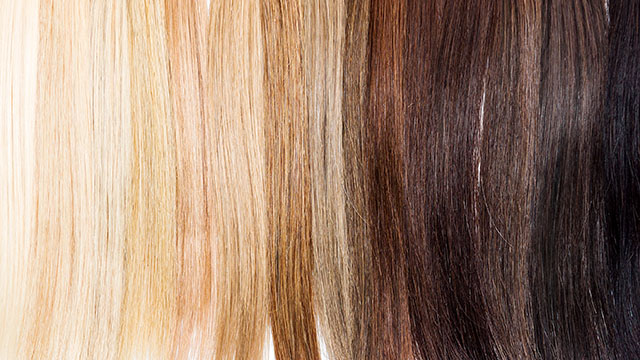
For those looking to change hair color without exposing their hair to harsh chemicals, natural hair dyes are an ideal choice. Unlike traditional hair dyes, which often contain ammonia, parabens, and peroxide, natural hair dyes use plant-based ingredients to enhance or alter hair color gently. They are less damaging, environmentally friendly, and suitable for sensitive scalps.
This guide explores the benefits of natural hair dyes, popular options, application tips, and frequently asked questions to help you achieve vibrant hair safely.
Why Choose Natural Hair Dyes
Natural hair dyes offer several advantages over chemical-based alternatives:
- Gentle on Hair: They do not strip hair of its natural oils or weaken strands.
- Scalp-Friendly: Reduced irritation for sensitive skin.
- Eco-Friendly: Plant-based ingredients are biodegradable and less polluting.
- Gradual Change: Creates subtle, natural-looking shades rather than dramatic, harsh results.
- Hair Health: Many natural dyes also nourish hair, improving shine and texture.
Choosing natural hair dyes is perfect for anyone who wants a safer, healthier approach to hair coloring.
Popular Natural Hair Dye Ingredients
1. Henna
Henna is a traditional plant-based dye that imparts reddish-orange tones. It strengthens hair, conditions it, and can cover gray hair gradually.
2. Indigo
Indigo is commonly used with henna to achieve darker shades like brown or black. Alone, it gives blue-black tones.
3. Cassia
Cassia, sometimes called “neutral henna,” enhances hair shine and adds a golden tint without significantly changing color.
4. Coffee
Coffee can darken hair naturally and enhance brown tones while adding shine.
5. Beetroot and Carrot Juice
These provide temporary reddish or orange hues and are gentle for experimentation.
6. Chamomile
Chamomile lightens hair naturally, ideal for achieving soft blonde highlights.
How to Choose the Right Natural Hair Dye
- Desired Shade: Henna for red tones, indigo for dark shades, chamomile for blonde highlights.
- Hair Type: Fine hair may require shorter application times, while thicker hair may need longer processing.
- Gray Coverage: Henna and indigo are effective for gradual gray coverage.
- Allergies: Test on a small patch of skin before full application.
- Maintenance: Natural dyes often fade gradually, requiring more frequent applications for consistent color.
Recommended Natural Hair Dyes
| Dye Type | Key Ingredient | Resulting Shade | Best For |
|---|---|---|---|
| Red or Auburn | Henna | Red to orange-red | Natural reds, gray coverage |
| Dark Brown/Black | Henna + Indigo | Brown to black | Dark hair, gray coverage |
| Golden Highlights | Chamomile | Light blonde | Blonde enhancement |
| Subtle Tint | Cassia | Light golden shine | Healthy shine, neutral tint |
| Temporary Reddish Hue | Beetroot/Carrot Juice | Soft red/orange | Experimenting or short-term |
| Brown Boost | Coffee | Medium brown | Darkening brown tones |
Natural hair dyes allow you to experiment with color safely while improving the overall health of your hair.
Tips for Applying Natural Hair Dyes
- Perform a Strand Test: Check for color results and allergic reactions.
- Prepare Hair Properly: Wash hair 24 hours before dyeing to preserve natural oils.
- Mix Thoroughly: Ensure powders or juices are evenly blended to avoid streaks.
- Apply Evenly: Use gloves and section hair for full coverage.
- Leave for Recommended Time: Processing times vary from 1–4 hours depending on desired shade.
- Rinse and Condition: Use lukewarm water and avoid shampooing immediately for best results.
Benefits of Natural Hair Dyes
- Minimal Damage: Hair remains strong, soft, and less prone to breakage.
- Gradual Color Change: Creates a natural look rather than harsh contrasts.
- Conditioning Effects: Many dyes like henna and cassia add shine and smoothness.
- Eco-Conscious: Plant-based ingredients are safe for the environment.
- Reduced Allergy Risk: Gentler formulas are suitable for sensitive scalps.
Common Mistakes to Avoid
- Using chemical dyes over natural hair dye without proper time gaps.
- Applying unevenly or skipping strand tests.
- Leaving the dye on for too long, which may cause unexpected hues.
- Assuming natural dyes give instant results; patience is key.
- Neglecting hair care after dyeing—moisturize and protect strands.
Frequently Asked Questions (FAQs)
Can natural hair dyes cover gray hair?
Yes, henna and indigo are most effective for gradual gray coverage. Multiple applications may be required.
How long does natural hair color last?
Results typically last 4–6 weeks, depending on hair type, color, and maintenance.
Can I mix natural dyes for custom colors?
Yes, combining henna with indigo, cassia, or chamomile can achieve unique shades.
Are natural dyes safe for sensitive skin?
Generally yes, but a patch test is recommended before full application.
How often should I reapply natural hair dye?
Reapply every 4–6 weeks or as needed to maintain vibrant color and shine.
Conclusion
Natural hair dyes without chemicals provide a safe, eco-friendly way to color your hair while promoting its health. From henna reds and indigo blacks to chamomile blondes, these plant-based options offer a variety of shades suitable for every hair type. By choosing the right ingredients, following proper application techniques, and maintaining hair health, you can enjoy beautiful, vibrant, and strong hair. Natural dyes allow experimentation and creativity while keeping hair nourished, making them a perfect alternative to traditional chemical treatments.