


Strong, healthy hair does not depend only on the products you use during the day. What you do before going to bed plays a major role in hair growth, strength, and overall hair quality. A proper nighttime hair care routine helps reduce breakage, prevent dryness, and support natural repair while you sleep.
This article explains how to build an effective nighttime hair care routine for stronger hair, including essential steps, habits to avoid, and simple adjustments that make a noticeable difference over time.
Why Nighttime Hair Care Matters
Hair is most vulnerable at night due to friction from pillows, moisture loss, and improper tying methods. Tossing and turning can cause tangles, split ends, and breakage, especially for dry or damaged hair.
A consistent nighttime routine protects hair strands, maintains scalp health, and allows nourishing products to work uninterrupted for several hours.
Step-by-Step Nighttime Hair Care Routine
Step 1: Detangle Gently
Always detangle your hair before bed to prevent knots and breakage. Use a wide-tooth comb or a soft-bristle brush and start from the ends, gradually moving upward.
Avoid brushing aggressively, especially when hair is wet, as this can weaken the strands.
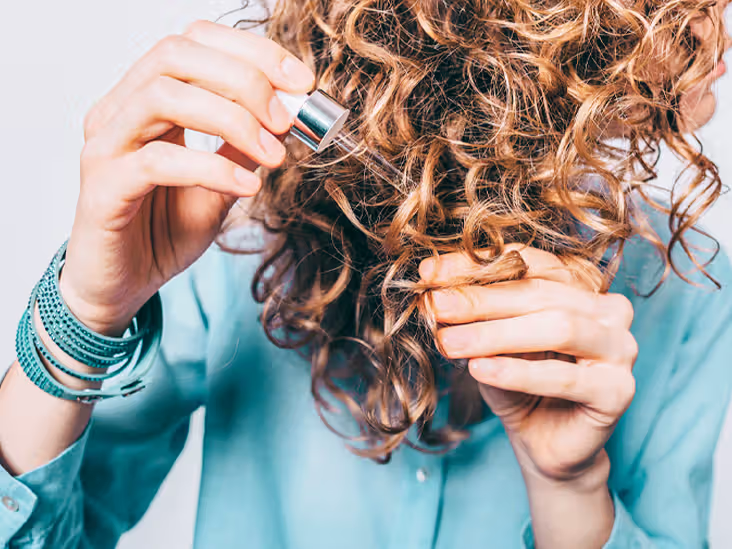
Step 2: Apply Lightweight Nourishment
Nighttime is ideal for light nourishment rather than heavy styling products.
- Use a few drops of hair serum or natural oil on the ends
- Focus on dry or damaged areas
- Avoid applying heavy oils directly to the scalp unless recommended
This helps seal moisture and reduces friction while sleeping.
Step 3: Choose a Protective Hairstyle
Loose, protective hairstyles prevent unnecessary stress on the hair.
Best nighttime hairstyles include:
- Loose braid
- Low loose bun
- Soft ponytail with a fabric scrunchie
Avoid tight hairstyles, as they can cause hair thinning and breakage over time.
Step 4: Use the Right Pillowcase
Cotton pillowcases absorb moisture and create friction. Switching to silk or satin pillowcases helps:
- Reduce hair breakage
- Minimize frizz
- Maintain moisture balance
This small change can significantly improve hair texture and strength.
Step 5: Maintain Scalp Health
A healthy scalp is the foundation of strong hair. If your scalp tends to be dry or flaky, consider using a scalp serum or treatment a few nights a week.
Gentle scalp massages before bed can improve blood circulation and promote healthier hair growth.
Weekly Night Treatments for Stronger Hair
In addition to daily care, weekly nighttime treatments provide deeper nourishment.
- Overnight hair masks
- Warm oil treatments
- Leave-in conditioning creams
Apply treatments sparingly and protect your pillow with a towel or silk scarf.
Habits to Avoid at Night
- Sleeping with wet hair
- Using tight elastic bands
- Skipping detangling
- Applying heavy products daily
- Sleeping on rough fabrics
Avoiding these habits reduces long-term damage and hair fall.
Comparison Table: Nighttime Hair Care Essentials
| Hair Care Element | Purpose | Frequency |
|---|---|---|
| Gentle Detangling | Prevents knots | Daily |
| Light Oil or Serum | Locks moisture | Daily |
| Protective Hairstyle | Reduces breakage | Daily |
| Silk/Satin Pillowcase | Minimizes friction | Always |
| Overnight Treatment | Deep nourishment | Weekly |
Nighttime Hair Care and Overall Self-Care
Nighttime hair care often goes hand in hand with other self-care routines. Just as people follow structured practices like At-Home Manicure Tips for Healthy Nails, hair care benefits from consistency and gentle maintenance rather than aggressive treatments.
Treating hair with patience and regular care leads to long-term strength and shine.
FAQs
Is it okay to sleep with oil in your hair?
Yes, light oiling on the lengths is beneficial. Avoid heavy oiling on the scalp unless your hair type requires it.
Should hair be tied or left open at night?
A loose braid or bun is better than leaving hair completely open, as it reduces tangling and friction.
Can nighttime routines help with hair growth?
Indirectly, yes. Reduced breakage and a healthy scalp support better hair growth over time.
Is sleeping with wet hair harmful?
Yes, wet hair is weaker and more prone to breakage. Always dry hair before sleeping.
How long does it take to see results?
With consistent care, improvements in hair texture and strength can be noticed within a few weeks.
Conclusion
A nighttime hair care routine is one of the simplest yet most effective ways to achieve strong, healthy hair. By protecting your hair while you sleep, reducing friction, and maintaining scalp health, you allow natural repair processes to work overnight.
Consistency is key. Small habits practiced every night can lead to stronger, smoother, and more resilient hair over time.