

Dry and frizzy hair can feel rough, look dull, and become difficult to manage. Environmental damage, heat styling, chemical treatments, and lack of moisture are common causes. One of the most effective solutions is using an overnight hair mask for dry and frizzy hair. Unlike regular conditioners, overnight masks provide deep hydration and long-lasting repair while you sleep.
In this detailed guide, you’ll learn the benefits of overnight hair masks, the best ingredients to look for, how to apply them properly, and tips to avoid common mistakes. You’ll also find a helpful comparison table and FAQs to help you choose the right treatment.
Why Dry and Frizzy Hair Needs Extra Care
Dry hair lacks moisture, while frizz occurs when the outer layer of the hair (cuticle) lifts and allows humidity to enter. This causes strands to swell and appear puffy or unruly.
Common causes include:
- Excessive heat styling
- Chemical treatments (coloring, rebonding, perming)
- Sun exposure
- Harsh shampoos
- Dehydration
- Humid climate
An overnight hair mask for dry and frizzy hair works by sealing the cuticle, restoring moisture, and improving elasticity.
Benefits of Using an Overnight Hair Mask
Applying a mask overnight offers several advantages:
- Deep hydration
- Reduced frizz
- Softer, smoother texture
- Improved shine
- Stronger hair strands
- Easier styling
Since the product stays on for several hours, ingredients penetrate deeper compared to a quick 5-minute conditioner.
Key Ingredients to Look For
When choosing the right overnight hair mask for dry and frizzy hair, focus on nourishing and strengthening ingredients.
Argan Oil
Rich in fatty acids and vitamin E, it smooths frizz and adds shine.
Coconut Oil
Penetrates deeply to reduce protein loss and strengthen hair.
Shea Butter
Provides intense moisture and softness.
Keratin
Repairs damaged strands and improves elasticity.
Aloe Vera
Hydrates and soothes the scalp.
Hyaluronic Acid
Attracts and locks in moisture.
Ingredient Comparison Table
Here’s a quick guide to help you select the right formula:
| Ingredient | Main Benefit | Best For |
|---|---|---|
| Argan Oil | Smooths frizz, adds shine | Thick, coarse hair |
| Coconut Oil | Deep repair, reduces breakage | Damaged or brittle hair |
| Shea Butter | Intense hydration | Extremely dry hair |
| Keratin | Strengthens structure | Chemically treated hair |
| Aloe Vera | Scalp soothing | Dry scalp with frizz |
| Hyaluronic Acid | Moisture retention | Dehydrated, dull hair |
How to Apply an Overnight Hair Mask Properly
To get the best results, follow these steps carefully:
Step 1: Start with Slightly Damp or Dry Hair
You can apply the mask on dry hair for deeper repair or slightly damp hair for better distribution.
Step 2: Section Your Hair
Divide your hair into sections to ensure even coverage.
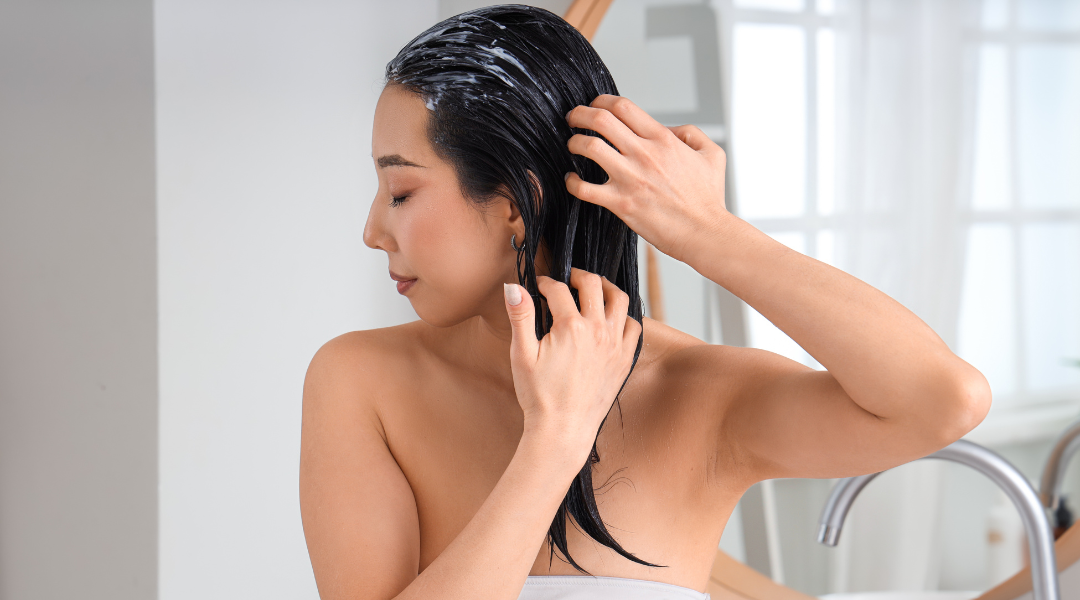
Step 3: Apply the Mask
Focus on mid-lengths and ends, where dryness is most noticeable. Avoid applying too much near the scalp unless it’s specifically a scalp-friendly formula.
Step 4: Comb Through
Use a wide-tooth comb to distribute the product evenly.
Step 5: Protect Your Bedding
Wrap your hair in a silk scarf or wear a shower cap to prevent stains.
Step 6: Rinse in the Morning
Wash thoroughly with a gentle shampoo and follow with a light conditioner if needed.
How Often Should You Use It?
For dry and frizzy hair, using an overnight hair mask 1–2 times per week is usually sufficient. Overuse can weigh down hair, especially if your strands are fine.
DIY Overnight Hair Mask Options
If you prefer natural remedies, try these combinations:
- Coconut oil + honey for deep hydration
- Yogurt + aloe vera for smoothing
- Olive oil + egg for protein repair
Always perform a patch test before applying DIY treatments to avoid irritation.
Common Mistakes to Avoid
Even the best overnight hair mask for dry and frizzy hair won’t work effectively if used incorrectly.
- Applying too much product
- Skipping shampoo in the morning
- Using heavy oils on fine hair
- Applying protein treatments too frequently
- Not protecting pillowcases
Balance is key for healthy results.
Tips to Reduce Frizz Long-Term
An overnight mask works best when combined with good hair care habits:
- Use sulfate-free shampoos
- Limit heat styling
- Apply heat protectant before styling
- Use a microfiber towel instead of regular cotton
- Sleep on a silk pillowcase
Taking care of your overall beauty routine matters too. Just as using Mineral Sunscreen for Rosacea-Prone Skin protects sensitive skin from environmental damage, protecting your hair from sun exposure and pollution helps prevent dryness and frizz.
Signs the Mask Is Working
You’ll know your overnight treatment is effective if you notice:
- Softer texture
- Reduced flyaways
- Improved shine
- Less breakage
- Easier combing
Consistent use typically shows visible results within 2–4 weeks.
FAQs About Overnight Hair Mask for Dry and Frizzy Hair
1. Can I leave a hair mask overnight every day?
No, 1–2 times per week is enough for most hair types.
2. Will an overnight mask make my hair greasy?
It can if you apply too much product or use a heavy formula on fine hair.
3. Should I apply it to my scalp?
Only if the mask is designed for scalp use. Otherwise, focus on mid-lengths and ends.
4. Can I use regular conditioner as an overnight mask?
Regular conditioners are not formulated for long wear and may not provide deep repair benefits.
5. How long does it take to see results?
Many people notice smoother hair after one use, but long-term repair takes several weeks.
6. Is it safe for color-treated hair?
Yes, but choose sulfate-free and color-safe formulas.
Final Thoughts
Using an overnight hair mask for dry and frizzy hair is one of the most effective ways to restore moisture, smoothness, and shine. By choosing the right ingredients, applying it properly, and maintaining healthy hair habits, you can transform dull, rough strands into soft, manageable hair.