

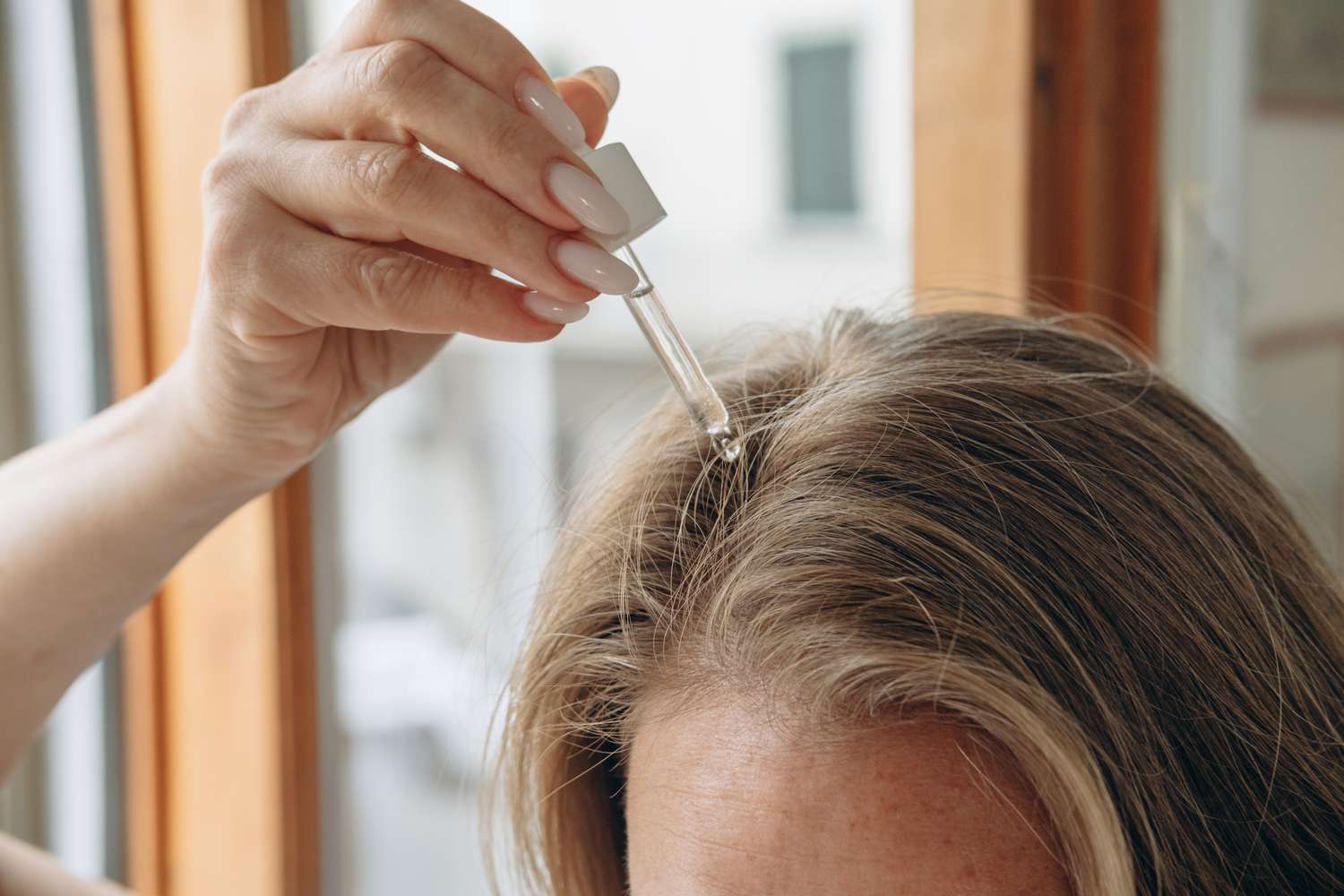
Dandruff and scalp itching can be uncomfortable, embarrassing, and sometimes even painful. White flakes on your shoulders and constant scratching are signs that your scalp needs proper care. An effective scalp treatment for dandruff and itching focuses on balancing the scalp, reducing fungal growth, and restoring moisture.
Let’s explore the causes, best treatments, and practical tips to achieve a healthy, flake-free scalp.
What Causes Dandruff and Itching?
Before choosing a treatment, it’s important to understand the root causes:
- Seborrheic dermatitis (common cause of dandruff)
- Overgrowth of yeast (Malassezia fungus)
- Oily scalp
- Dry skin
- Product buildup
- Sensitivity to hair products
- Stress and hormonal changes
Identifying your specific cause helps in selecting the right solution.
Best Scalp Treatments for Dandruff and Itching
1. Anti-Dandruff Shampoo
Look for shampoos containing active ingredients like:
- Ketoconazole
- Zinc pyrithione
- Selenium sulfide
- Salicylic acid
- Coal tar
These ingredients reduce fungal growth and control flaking. Use 2–3 times per week for best results.
2. Tea Tree Oil Treatment
Tea tree oil has natural antifungal and antibacterial properties.
How to Use:
- Mix a few drops with a carrier oil (like coconut oil).
- Massage gently into the scalp.
- Leave for 20–30 minutes before washing.
This helps calm itching and reduce flakes.
3. Aloe Vera Soothing Mask
Aloe vera hydrates and reduces irritation.
How to Apply:
- Apply fresh aloe gel directly to the scalp.
- Leave for 20 minutes.
- Rinse with a mild shampoo.
It soothes redness and dryness instantly.
4. Apple Cider Vinegar Rinse
Apple cider vinegar helps balance scalp pH and control yeast growth.
How to Use:
- Mix equal parts water and apple cider vinegar.
- Pour over scalp after shampooing.
- Leave for 5 minutes, then rinse.
Use once weekly to avoid over-drying.
5. Scalp Exfoliation
Dead skin buildup can worsen dandruff. Gentle exfoliation once a week helps remove flakes and unclog follicles.
Choose:
- Salicylic acid scalp treatments
- Mild scalp scrubs
Avoid harsh scrubbing, as it can increase irritation.
Lifestyle Changes to Reduce Dandruff
✔ Wash Hair Regularly
Infrequent washing can increase oil and fungal growth.
✔ Avoid Heavy Styling Products
Product buildup worsens scalp issues.
✔ Manage Stress
Stress can trigger scalp flare-ups.
✔ Maintain a Healthy Diet
Include zinc, omega-3 fatty acids, and B vitamins for scalp health.
Just like choosing the Best Vitamin C Serum for Dull Skin improves overall skin brightness, selecting the right scalp products enhances scalp balance and hair health.
When to See a Dermatologist
Consult a professional if you experience:
- Severe redness
- Thick yellow scales
- Hair loss
- Persistent itching despite treatment
- Painful scalp sores
You may need prescription-strength medicated shampoos or topical treatments.
Common Mistakes to Avoid
❌ Scratching aggressively
❌ Using very hot water
❌ Switching shampoos too frequently
❌ Ignoring early symptoms
❌ Applying heavy oils on fungal dandruff
Consistency is key for visible improvement.
How Long Does Treatment Take?
- Mild dandruff: Improvement in 1–2 weeks
- Moderate cases: 3–4 weeks
- Severe conditions: May require medical treatment
Regular care and maintenance prevent recurrence.
Final Thoughts
An effective scalp treatment for dandruff and itching combines medicated shampoos, soothing natural remedies, and proper hair care habits. Addressing the root cause—whether dryness, oiliness, or fungal imbalance—ensures long-term relief.