Managing acne-prone skin while wearing makeup can feel tricky, but it’s completely possible to achieve a smooth, natural look without worsening breakouts. The key is choosing non-comedogenic products, maintaining a clean routine, and applying makeup in a way that lets your skin breathe. With the right approach, you can enjoy flawless makeup while keeping your pores clear.
Understanding Acne-Prone Skin
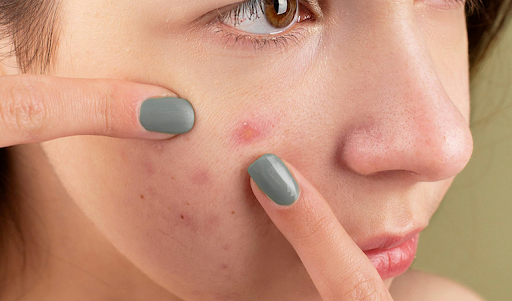
Acne-prone skin is more sensitive to clogged pores, excess oil, and bacteria buildup. Heavy or oily makeup products can easily trigger breakouts, so the goal is to keep your routine lightweight, breathable, and skin-friendly.
Step 1: Start with a Clean Base
Always begin with a gentle cleanser designed for acne-prone skin. This removes excess oil, dirt, and bacteria that can interfere with your makeup. Avoid harsh scrubs, as they can irritate the skin and worsen acne.
Follow with a lightweight, oil-free moisturizer to keep your skin hydrated without clogging pores.
Step 2: Use a Non-Comedogenic Primer
A primer creates a smooth surface for makeup while protecting your skin. For acne-prone skin, choose:
- Oil-free formulas
- Mattifying primers (if you have oily skin)
- Silicone-based primers that smooth texture
This step helps reduce shine and keeps makeup in place longer.
Step 3: Choose Lightweight Foundation
Pick a foundation labeled non-comedogenic and oil-free. Avoid heavy, full-coverage formulas unless necessary. Instead, go for:
- Lightweight liquid foundation
- Tinted moisturizers with coverage
- Water-based formulas
Apply thin layers and build coverage only where needed.
Step 4: Conceal Strategically
Use a breathable concealer only on blemishes or dark spots. Avoid layering too much product, as this can clog pores and make acne more visible.
Blend gently using a clean sponge or brush.
Step 5: Set Lightly with Powder
Use a translucent, non-comedogenic powder to set your makeup. Focus only on areas that get oily, such as the T-zone. Avoid heavy baking techniques, which can suffocate the skin.
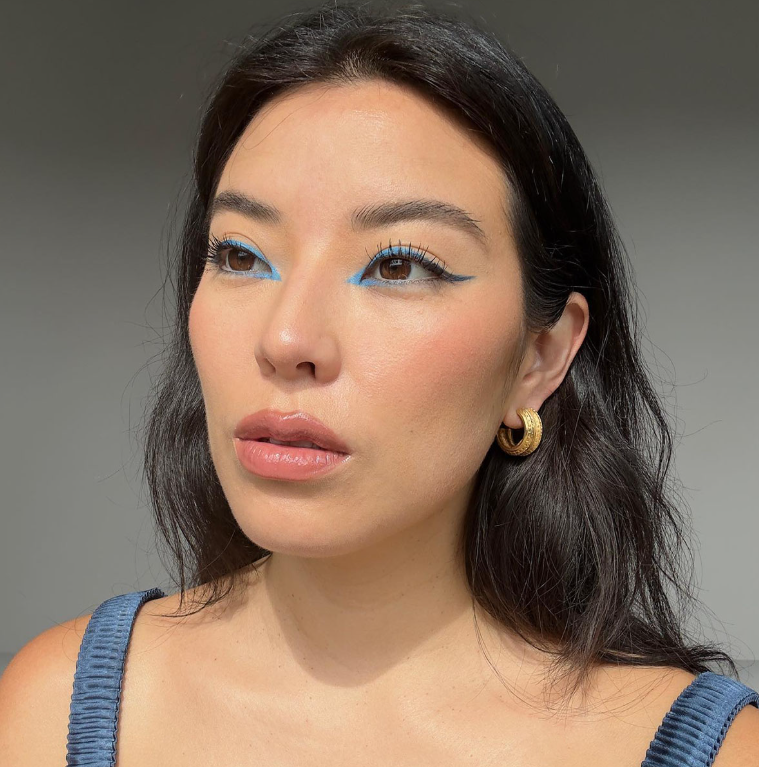
Step 6: Keep Eye Makeup Simple and Clean
Eye makeup should be minimal and hygienic:
- Use clean brushes
- Avoid expired products
- Choose lightweight eyeshadows
This helps prevent bacteria transfer that can worsen acne.
Step 7: Choose Acne-Friendly Blush and Bronzer
Cream or powder products labeled non-comedogenic are best. Apply lightly to avoid buildup. Always use clean tools to prevent contamination.
Step 8: Remove Makeup Properly
Proper removal is just as important as application. Use a gentle makeup remover or micellar water, followed by a cleanser. Never sleep with makeup on, as it clogs pores and triggers breakouts.
Key Ingredients to Look For
| Ingredient | Benefit for Acne-Prone Skin |
|---|---|
| Salicylic Acid | Helps unclog pores |
| Niacinamide | Reduces redness and oiliness |
| Zinc Oxide | Soothes irritation |
| Hyaluronic Acid | Hydrates without oiliness |
| Aloe Vera | Calms inflamed skin |
Common Mistakes to Avoid
Avoid heavy, oil-based foundations that can trap bacteria in pores. Don’t reuse dirty makeup sponges or brushes, as they can spread acne-causing bacteria. Also, avoid over-layering products, which can suffocate the skin.
Hygiene Tips for Clear Skin
- Wash brushes weekly
- Replace sponges regularly
- Avoid touching your face during application
- Store makeup in a cool, clean place
Light vs Heavy Makeup for Acne-Prone Skin
| Type of Makeup | Effect on Skin |
|---|---|
| Lightweight makeup | Breathable, reduces breakouts |
| Heavy makeup | Can clog pores and worsen acne |
When to Keep Makeup Minimal
On days when your skin is inflamed or breaking out heavily, keep your routine minimal. A tinted moisturizer and concealer may be enough. Letting your skin breathe occasionally helps it heal faster.
Learning from Other Makeup Styles
If you’re exploring different makeup looks, even styles like Simple Bridal Makeup Tutorial for Beginners at Home can be adapted for acne-prone skin by using lightweight, breathable products instead of heavy coverage formulas.
FAQs
Q1: Can makeup worsen acne?
Yes, if you use heavy or non-comedogenic products or don’t remove makeup properly.
Q2: What type of foundation is best for acne-prone skin?
Oil-free, non-comedogenic, and lightweight foundations are best.
Q3: Should I avoid makeup completely if I have acne?
Not necessarily. You just need to use the right products and maintain good hygiene.
Q4: How can I prevent clogged pores from makeup?
Use lightweight products, clean tools, and always remove makeup thoroughly.
Q5: Is powder better than liquid for acne-prone skin?
Both can work if they are non-comedogenic, but lightweight liquid formulas are often more hydrating.
Final Thoughts
A safe makeup routine for acne-prone skin is all about balance—covering imperfections without suffocating your skin. By choosing gentle, non-comedogenic products and maintaining strict hygiene, you can enjoy makeup without triggering breakouts. With consistency, your skin will not only look better with makeup but also improve over time.