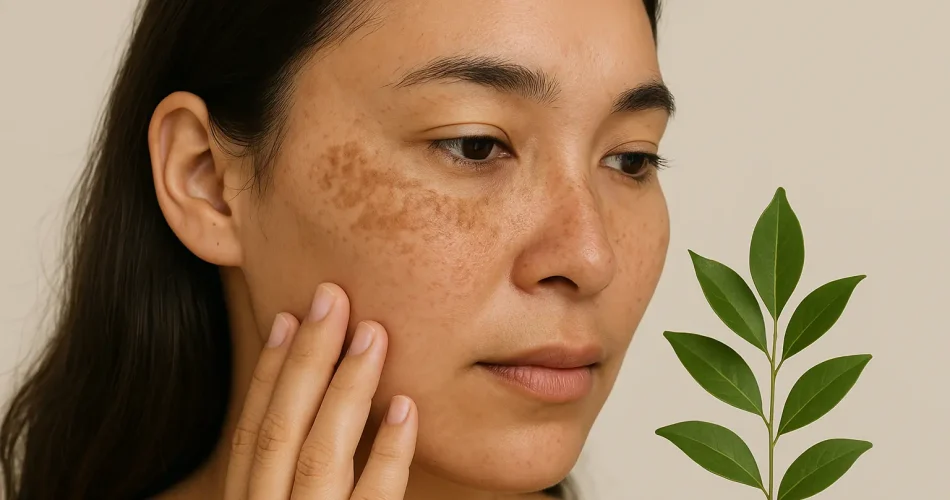
Hyperpigmentation is one of the most common skin concerns affecting people of all skin types. It appears as dark patches, uneven skin tone, acne marks, or sunspots caused by excess melanin production in the skin. While professional treatments and skincare products can help, many people prefer natural remedies to reduce hyperpigmentation safely and affordably at home.
Natural treatments may gradually brighten dark spots, improve overall skin tone, and support healthier skin when used consistently. Although results take time, combining natural remedies with healthy skincare habits can significantly improve skin appearance.
This guide explains how to treat hyperpigmentation on the face naturally, including effective home remedies, causes, prevention tips, and skincare practices that support clearer skin.
What Causes Hyperpigmentation?
Hyperpigmentation occurs when the skin produces excess melanin in certain areas. Several factors can trigger this condition.
Common Causes Include:
- Sun exposure
- Acne scars
- Hormonal changes
- Skin inflammation
- Aging
- Injury or irritation
- Picking at pimples
Hyperpigmentation can appear as:
- Dark acne marks
- Melasma
- Sunspots
- Uneven skin tone
Understanding the cause helps determine the best treatment approach.
Natural Ingredients That Help Reduce Hyperpigmentation
Many natural ingredients contain antioxidants, vitamins, and gentle exfoliating properties that may improve skin tone over time.
| Natural Ingredient | Benefits for Hyperpigmentation |
|---|---|
| Aloe Vera | Soothes and supports skin repair |
| Turmeric | Helps brighten dull skin |
| Lemon Juice | Contains vitamin C |
| Potato Juice | May help lighten dark spots |
| Yogurt | Gently exfoliates skin |
| Honey | Moisturizes and supports healing |
| Papaya | Contains natural enzymes |
| Green Tea | Rich in antioxidants |
Consistency is important because natural remedies work gradually.
1. Aloe Vera for Hyperpigmentation
Aloe vera contains compounds that may help reduce pigmentation and support skin healing.
How to Use
- Extract fresh aloe vera gel.
- Apply directly to affected areas.
- Leave overnight or for 30 minutes.
- Rinse with lukewarm water.
Benefits
- Soothes irritated skin
- Hydrates naturally
- Helps improve skin texture
Aloe vera works especially well for post-acne marks and mild discoloration.
2. Turmeric Face Mask
Turmeric has anti-inflammatory and antioxidant properties that may improve uneven skin tone.
How to Make the Mask
- Mix a pinch of turmeric with yogurt or honey.
- Apply to the face for 15–20 minutes.
- Wash gently with water.
Benefits
- Brightens dull skin
- Helps reduce acne marks
- Supports healthier-looking skin
Use turmeric carefully to avoid temporary yellow staining.
3. Potato Juice Spot Treatment
Potatoes contain enzymes and vitamin C that may help lighten dark spots naturally.
How to Use
- Grate a potato and extract the juice.
- Apply the juice using cotton.
- Leave for 15 minutes.
- Rinse thoroughly.
Benefits
- Gentle on sensitive skin
- May help reduce pigmentation gradually
This remedy is commonly used for mild dark spots and uneven skin tone.
4. Yogurt and Honey Mask
Yogurt contains lactic acid, which gently exfoliates dead skin cells.
How to Use
- Mix one tablespoon of yogurt with honey.
- Apply evenly to the face.
- Leave for 20 minutes.
- Rinse with cool water.
Benefits
- Softens skin
- Improves brightness
- Helps smooth rough texture
This combination also provides hydration for dry skin.
5. Papaya Face Pack
Papaya contains enzymes like papain that naturally exfoliate the skin.
How to Use
- Mash ripe papaya into a smooth paste.
- Apply to the face.
- Leave for 15–20 minutes.
- Wash gently.
Benefits
- Removes dead skin buildup
- Improves glow
- Helps even skin tone
Regular use may improve skin clarity over time.
6. Green Tea Application
Green tea is rich in antioxidants that may help calm inflammation and support skin repair.
How to Use
- Brew green tea and let it cool.
- Apply using a cotton pad.
- Leave on the skin without rinsing.
Benefits
- Reduces redness
- Supports healthier skin
- Protects against environmental stress
Green tea can also be stored in the refrigerator for a cooling effect.
Importance of Sunscreen
One of the biggest mistakes people make while treating hyperpigmentation is ignoring sun protection.
Sun exposure can:
- Darken existing pigmentation
- Slow healing
- Cause new dark spots
Use sunscreen daily with SPF 30 or higher, even indoors or during cloudy weather.
Healthy Habits That Help Reduce Hyperpigmentation
Natural remedies work best alongside healthy skincare and lifestyle habits.
Avoid Picking Pimples
Picking acne can worsen post-inflammatory hyperpigmentation.
Stay Hydrated
Proper hydration supports healthy skin repair.
Eat Nutrient-Rich Foods
Foods rich in antioxidants and vitamins may support skin health.
Sleep Properly
Poor sleep can affect overall skin appearance and healing.
Reduce Stress
Stress can contribute to hormonal imbalance and skin inflammation.
Common Mistakes to Avoid
Using Lemon Excessively
Lemon juice may irritate sensitive skin if overused.
Over-Exfoliating
Too much exfoliation can damage the skin barrier and worsen pigmentation.
Expecting Instant Results
Natural remedies require patience and consistency.
Skipping Moisturizer
Hydrated skin heals more effectively.
Natural Remedies for Different Skin Types
| Skin Type | Best Natural Remedies |
|---|---|
| Oily Skin | Aloe vera, green tea |
| Dry Skin | Honey, yogurt |
| Sensitive Skin | Aloe vera, potato juice |
| Combination Skin | Papaya, yogurt |
| Acne-Prone Skin | Turmeric, green tea |
Choosing remedies suitable for your skin type reduces the risk of irritation.
How Long Does It Take to Fade Hyperpigmentation Naturally?
Natural remedies usually take several weeks or months to show noticeable improvement depending on:
- Severity of pigmentation
- Skin type
- Sun exposure
- Consistency of treatment
Mild acne marks may fade faster than deeper pigmentation or melasma.
When to See a Dermatologist
Natural remedies may not fully treat severe hyperpigmentation. Consider professional help if:
- Dark spots worsen
- Pigmentation spreads
- Home remedies irritate the skin
- Results are not improving after several months
Dermatologists may recommend treatments like:
- Chemical peels
- Laser therapy
- Prescription creams
- Microneedling
Building a Better Skincare Routine
Proper skincare plays a major role in preventing future pigmentation. Many people researching pigmentation treatments also explore guides like Dermatologist Recommended Skincare Routine for Oily Skin to understand how consistent cleansing, hydration, and sun protection support clearer skin over time.
Final Thoughts
Treating hyperpigmentation on the face naturally requires patience, consistency, and proper skincare habits. Ingredients like aloe vera, turmeric, honey, papaya, yogurt, and green tea may gradually improve uneven skin tone while supporting healthier skin.
Natural remedies are often affordable and gentle, but protecting your skin from sun exposure is equally important for long-term improvement. Combining healthy habits, regular skincare, hydration, and sunscreen use can help reduce dark spots and maintain brighter, healthier-looking skin naturally.
FAQs
What is the best natural remedy for hyperpigmentation?
Aloe vera, turmeric, and yogurt are among the most commonly used natural remedies for reducing hyperpigmentation.
Can hyperpigmentation disappear naturally?
Mild hyperpigmentation may fade naturally over time, especially with proper skincare and sun protection.
Is lemon juice safe for dark spots?
Lemon juice may help some people because of its vitamin C content, but it can irritate sensitive skin if overused.
How long does it take for natural remedies to work?
Visible improvement may take several weeks or months depending on the severity of pigmentation.
Does sunscreen help reduce hyperpigmentation?
Yes, sunscreen prevents dark spots from becoming worse and supports skin healing.
Can aloe vera remove acne marks?
Aloe vera may help soothe the skin and gradually improve post-acne pigmentation with regular use.
Is turmeric good for uneven skin tone?
Yes, turmeric contains anti-inflammatory and antioxidant properties that may help brighten the skin naturally.