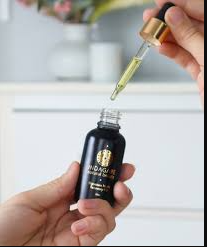

Dry and damaged hair is one of the most common beauty concerns today. Frequent heat styling, chemical treatments, pollution, poor diet, and harsh hair products can leave hair weak, rough, frizzy, and lifeless. Fortunately, you do not always need expensive salon treatments to restore healthy hair. With the right hair care routine for dry and damaged hair at home, you can improve hair texture, strength, and shine naturally.
A consistent routine using gentle products, nourishing oils, and healthy habits can deeply repair damaged strands over time. In this guide, you will learn the best home remedies, daily practices, and expert tips to revive dry and damaged hair naturally.
What Causes Dry and Damaged Hair?
Understanding the causes of hair damage is the first step toward proper treatment. Several factors can strip hair of its natural moisture and weaken the hair shaft.
Common causes include:
- Excessive heat styling
- Frequent hair coloring or bleaching
- Harsh shampoos with sulfates
- Sun exposure
- Pollution and dust
- Overwashing hair
- Poor nutrition
- Lack of hydration
- Tight hairstyles
- Chemical treatments
When hair loses moisture and protein, it becomes dry, brittle, and more prone to breakage.
Signs of Dry and Damaged Hair
You may have damaged hair if you notice the following symptoms:
- Split ends
- Frizziness
- Rough texture
- Hair breakage
- Dull appearance
- Excessive tangling
- Weak hair strands
- Lack of elasticity
Early treatment helps prevent further damage and promotes healthier growth.
Best Hair Care Routine for Dry and Damaged Hair at Home
1. Use a Mild Sulfate-Free Shampoo
Harsh shampoos can remove natural oils from the scalp and worsen dryness. Choose a gentle sulfate-free shampoo designed for dry or damaged hair.
Wash your hair only 2 to 3 times a week to avoid excessive dryness.
2. Always Apply Conditioner
Conditioner helps restore moisture, smooth the hair cuticle, and reduce frizz. Focus mainly on the mid-lengths and ends of your hair.
Look for ingredients like:
- Argan oil
- Coconut oil
- Shea butter
- Keratin
- Aloe vera
Deep conditioning once a week can significantly improve hair softness.
Weekly Hair Care Routine Table
| Day | Hair Care Step |
|---|---|
| Monday | Gentle shampoo and conditioner |
| Tuesday | Apply hair serum or leave-in conditioner |
| Wednesday | Scalp oil massage |
| Thursday | Rest day and protective hairstyle |
| Friday | Deep conditioning hair mask |
| Saturday | Trim split ends if needed |
| Sunday | Natural oil treatment overnight |
Consistency is essential for visible improvement.
3. Oil Your Hair Regularly
Natural oils nourish dry hair and strengthen weak strands. Warm oil massages also improve blood circulation to the scalp.
Best oils for damaged hair include:
- Coconut oil
- Argan oil
- Olive oil
- Castor oil
- Almond oil
Massage warm oil into your scalp and hair for 10–15 minutes before washing.
4. Avoid Heat Styling Tools
Frequent use of straighteners, curling irons, and blow dryers can severely damage hair over time.
To protect your hair:
- Limit heat styling
- Use heat protectant sprays
- Air dry hair whenever possible
- Avoid high-temperature settings
Reducing heat exposure allows hair to recover naturally.
5. Try Homemade Hair Masks
Natural hair masks provide deep nourishment and hydration for damaged hair. Homemade treatments are affordable and free from harmful chemicals.
Popular ingredients include:
- Banana
- Honey
- Yogurt
- Egg
- Aloe vera
- Coconut milk
- Avocado
Many people also use Natural Hair Masks for Hair Growth and Thickness to improve scalp health while repairing dryness and breakage.
Best DIY Hair Masks for Dry Hair
Banana and Honey Mask
Bananas contain vitamins and natural oils that soften rough hair, while honey helps lock in moisture.
How to use:
- Mash one ripe banana
- Add two tablespoons of honey
- Apply for 30 minutes
- Rinse with lukewarm water
Yogurt and Egg Mask
This protein-rich treatment strengthens weak strands and reduces breakage.
How to use:
- Mix one egg with half a cup of yogurt
- Apply evenly to hair
- Leave for 20 minutes
- Wash with cool water
Aloe Vera and Coconut Oil Mask
This soothing combination deeply hydrates dry hair and reduces frizz.
6. Trim Split Ends Regularly
Split ends can travel upward and cause further damage. Trimming every 6 to 8 weeks helps maintain healthy hair and improves appearance.
Regular trims also make hair easier to manage.
7. Protect Hair While Sleeping
Cotton pillowcases can create friction that leads to breakage and frizz.
Better alternatives include:
- Silk pillowcases
- Satin pillow covers
- Loose braids before bed
These small changes help reduce overnight hair damage.
8. Improve Your Diet
Healthy hair starts from within. Nutrient deficiencies can weaken hair and slow growth.
Foods that support healthy hair include:
- Eggs
- Nuts
- Fish
- Spinach
- Avocados
- Sweet potatoes
- Berries
Drink enough water daily to maintain proper hydration.
9. Avoid Chemical Treatments
Frequent coloring, rebonding, perming, and bleaching weaken the hair structure.
If possible:
- Reduce chemical treatments
- Space out salon sessions
- Use ammonia-free hair dyes
Giving hair time to recover naturally can improve strength and elasticity.
10. Use Leave-In Products
Leave-in conditioners and serums help protect hair throughout the day. They add moisture, reduce tangles, and improve shine.
Look for lightweight products that do not contain harsh alcohols or sulfates.
Common Hair Care Mistakes to Avoid
Many people unknowingly worsen hair damage through improper habits.
Avoid these mistakes:
- Washing hair with very hot water
- Overbrushing wet hair
- Tight ponytails
- Excessive product buildup
- Using dirty hair tools
- Skipping conditioner
Gentle care is essential for restoring damaged hair.
Benefits of Following a Proper Hair Care Routine
A consistent routine can provide several long-term benefits:
Healthier Hair Texture
Hair becomes softer, smoother, and easier to manage.
Reduced Hair Breakage
Moisturized hair is less likely to snap or split.
Improved Shine
Healthy hair reflects light naturally and looks more vibrant.
Better Hair Growth
A nourished scalp promotes stronger and healthier growth.
Less Frizz
Hydrated hair is more controlled and less prone to frizziness.
FAQs About Dry and Damaged Hair
How often should I wash dry hair?
Washing 2 to 3 times a week is usually enough for dry and damaged hair.
Which oil is best for damaged hair?
Coconut oil and argan oil are among the best oils for repairing dry hair naturally.
Can damaged hair become healthy again?
Yes. With proper care, hydration, and reduced heat exposure, damaged hair can gradually improve.
How long does hair repair take?
Visible improvement may take several weeks or months depending on the level of damage.
Is it okay to use homemade hair masks weekly?
Yes. Weekly hair masks can deeply nourish and strengthen dry hair.
Does trimming hair help it grow faster?
Trimming does not directly speed growth but prevents split ends and breakage, helping hair appear healthier.
Final Thoughts
Following the right hair care routine for dry and damaged hair at home can restore softness, shine, and strength without expensive salon treatments. Simple habits like regular oiling, deep conditioning, reducing heat styling, and using nourishing hair masks can make a major difference over time.