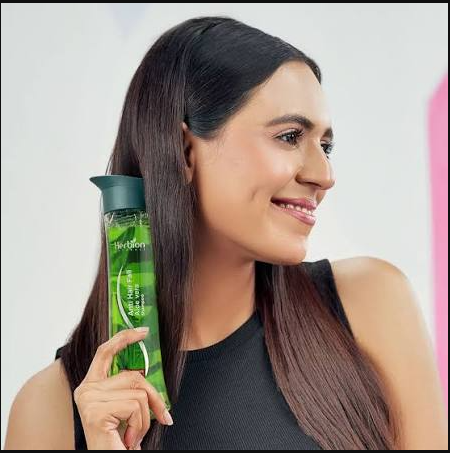
Hair fall is one of the most common hair concerns faced by people of all ages. Factors such as stress, poor nutrition, hormonal changes, environmental damage, and improper hair care can contribute to increased shedding and weaker hair. Choosing the right shampoo can be an important part of a healthy hair care routine.
The best shampoo for hair fall and hair growth should gently cleanse the scalp, support a healthy environment for hair, reduce breakage, and provide nourishing ingredients that help improve the overall appearance of hair.
While shampoo alone cannot magically stop all types of hair loss, a suitable formula combined with a balanced lifestyle and proper hair care habits can help maintain stronger, healthier-looking hair.
Understanding Hair Fall and Hair Growth
Before choosing a shampoo, it is important to understand why hair fall happens.
Normal hair shedding is a natural part of the hair cycle. However, excessive hair fall may occur due to several reasons, including:
- Stress
- Nutritional deficiencies
- Hormonal changes
- Lack of proper scalp care
- Excessive heat styling
- Chemical treatments
- Poor hair care habits
Hair growth depends on many factors, including genetics, overall health, scalp condition, and daily care.
A good shampoo focuses on maintaining scalp health and protecting existing hair.
What to Look for in a Shampoo for Hair Fall
When choosing a shampoo for hair fall concerns, consider ingredients that support scalp health and strengthen hair.
Biotin
Biotin is a popular ingredient in many hair care products.
It is commonly used because it may help support the appearance of stronger, healthier hair when included as part of a complete hair care routine.
Caffeine
Caffeine-based shampoos are often used in hair care routines because they are designed to support scalp stimulation and healthier-looking hair.
Keratin
Keratin is a protein naturally found in hair.
Shampoos containing keratin may help:
- Improve the appearance of damaged hair
- Reduce the look of breakage
- Make hair feel smoother
Natural Oils
Ingredients such as:
- Argan oil
- Coconut oil
- Jojoba oil
- Rosemary oil extracts
are often included in hair products because they help provide moisture and improve hair softness.
Niacinamide
Niacinamide is commonly used in skincare and hair care products.
It may help support scalp comfort and maintain a balanced scalp environment.
Best Shampoo Types for Different Hair Concerns
Shampoo for Dry and Damaged Hair
Dry hair often becomes weak and breaks more easily.
Look for:
- Moisturizing ingredients
- Protein-based formulas
- Nourishing oils
Avoid shampoos that leave your hair feeling overly dry after washing.
Shampoo for Oily Scalp and Hair Fall
An oily scalp can create discomfort and buildup.
Choose:
- Gentle cleansing formulas
- Scalp-balancing ingredients
- Lightweight products
Avoid excessive washing with harsh shampoos, as this may irritate the scalp.
Shampoo for Thin and Weak Hair
Fine hair may benefit from lightweight strengthening formulas.
Look for ingredients that help:
- Improve hair texture
- Add volume
- Reduce the appearance of weakness
Shampoo for Frizzy Hair and Breakage
If your concern is hair breakage rather than shedding from the root, focus on strengthening and moisturizing products.
Helpful ingredients include:
- Keratin
- Argan oil
- Proteins
- Hydrating ingredients
How to Choose the Right Shampoo for Your Hair Type
For Dry Hair
Choose creamy, moisturizing shampoos that help maintain softness.
For Oily Hair
Choose lightweight formulas that clean without removing too much moisture.
For Sensitive Scalp
Look for:
- Gentle ingredients
- Mild formulas
- Less fragrance
For Colored or Chemically Treated Hair
Choose shampoos designed to protect treated hair and maintain moisture.
How to Use Shampoo Correctly for Better Hair Care
Using shampoo properly can improve your hair care routine.
Step 1: Wet Hair Completely
Before applying shampoo, make sure your hair is fully wet.
Step 2: Focus on the Scalp
Apply shampoo mainly to the scalp area where oil and buildup accumulate.
Avoid aggressively rubbing the hair lengths.
Step 3: Massage Gently
Use your fingertips to massage the scalp.
Avoid using your nails, as they may irritate the scalp.
Step 4: Rinse Thoroughly
Make sure all shampoo residue is removed.
Step 5: Use Conditioner
Conditioner helps improve softness and reduce the appearance of dryness.
Common Hair Care Mistakes That Increase Hair Damage
Many daily habits can contribute to weaker-looking hair.
Avoid:
Washing Hair Too Frequently
Overwashing may remove natural oils and increase dryness.
Using Hot Water
Hot water can make hair feel dry and rough.
Aggressive Towel Drying
Rubbing hair harshly with a towel can increase breakage.
Excessive Heat Styling
Frequent use of straighteners, curling tools, and blow dryers can damage hair.
Ignoring Scalp Care
A healthy scalp is an important part of healthy-looking hair.
Natural Tips to Support Hair Growth
Along with choosing the right shampoo, healthy habits matter.
Eat a Balanced Diet
Include foods rich in:
- Protein
- Vitamins
- Minerals
- Healthy fats
Hair requires proper nutrition to maintain strength.
Manage Stress
High stress levels can affect overall health and may contribute to increased shedding.
Practice:
- Regular exercise
- Relaxation techniques
- Good sleep habits
Protect Hair From Damage
Helpful habits include:
- Using heat protection products
- Avoiding tight hairstyles
- Trimming damaged ends
- Handling wet hair gently
How Long Does It Take to See Results?
Hair growth is a slow process, and results vary depending on individual factors.
A shampoo may help improve:
- Scalp cleanliness
- Hair texture
- Appearance of strength
- Overall hair condition
However, noticeable changes usually require consistent care over time.
When to Seek Professional Advice
If you experience sudden, severe, or unusual hair loss, consider consulting a healthcare professional or dermatologist.
A specialist can help identify possible causes and suggest appropriate solutions.
Simple Hair Care Routine for Stronger Hair
A basic routine can include:
Wash Days:
- Gentle shampoo
- Conditioner
- Hair care treatment if needed
Weekly Care:
- Scalp massage
- Deep conditioning
- Hair protection habits
Daily Habits:
- Balanced nutrition
- Gentle brushing
- Avoiding unnecessary damage
Final Thoughts
Finding the best shampoo for hair fall and hair growth depends on your hair type, scalp condition, and specific concerns. A good shampoo should gently cleanse, support scalp health, and help improve the appearance of stronger, healthier hair.
Look for nourishing ingredients such as biotin, caffeine, keratin, natural oils, and scalp-supporting ingredients. Remember that healthy hair requires more than one product—consistent care, proper nutrition, and gentle hair habits all play an important role.
With the right routine and patience, you can support healthier-looking hair and maintain a stronger, more confident appearance.