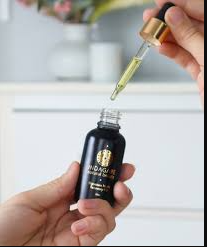

Sensitive skin requires extra care and attention because it reacts more easily to harsh ingredients, environmental changes, and overcomplicated routines. Many people believe that achieving healthy skin means using multiple products, but for sensitive skin, simplicity is often the best approach.
A minimal skincare routine focuses on using fewer products with gentle ingredients that protect and support the skin barrier. By keeping your routine simple and consistent, you can reduce irritation while maintaining healthy, calm, and glowing skin.
What Is Sensitive Skin?
Sensitive skin is more prone to redness, itching, dryness, burning, or irritation. It can react negatively to strong fragrances, alcohol-based products, weather changes, or even stress.
Common Signs of Sensitive Skin:
- Redness or inflammation
- Burning or stinging sensation
- Dry patches
- Frequent irritation
- Reactions to skincare products
Understanding your skin’s sensitivity is the first step toward building the right routine.
Why a Minimal Routine Works Best
Using too many products can overwhelm sensitive skin and damage its natural barrier. A minimal routine reduces the risk of irritation and helps your skin recover naturally.
Benefits of a Minimal Skincare Routine:
- Fewer chances of allergic reactions
- Easier to identify irritating ingredients
- Supports the skin barrier
- Saves time and money
- Promotes healthier long-term skin
Simple routines are often more effective than complicated multi-step regimens.
Essential Steps in a Minimal Skincare Routine
A basic skincare routine for sensitive skin only needs a few key steps.
1. Gentle Cleanser
Cleansing removes dirt, oil, and impurities without stripping away natural moisture.
What to Look For:
- Fragrance-free formulas
- Sulfate-free cleansers
- Cream or gel-based textures
- Mild and non-foaming ingredients
Wash your face twice daily using lukewarm water. Avoid hot water, as it can increase irritation.
2. Lightweight Moisturizer
Moisturizing is essential for keeping the skin barrier healthy and preventing dryness.
Ideal Moisturizer Features:
- Non-comedogenic
- Fragrance-free
- Hydrating ingredients like ceramides or glycerin
- Lightweight but nourishing texture
A good moisturizer helps calm sensitive skin and lock in hydration.
3. Daily Sunscreen
Sensitive skin is highly vulnerable to sun damage. Sunscreen protects against UV rays, redness, and premature aging.
Best Sunscreen Choices:
- Mineral sunscreens with zinc oxide or titanium dioxide
- SPF 30 or higher
- Fragrance-free formulas
Apply sunscreen every morning, even on cloudy days.
Optional Additions
Once your basic routine feels comfortable, you can slowly add one extra product if needed.
Possible Additions:
| Product Type | Benefit |
|---|---|
| Hydrating Serum | Adds extra moisture |
| Aloe Vera Gel | Soothes irritation |
| Gentle Face Mask | Calms redness and dryness |
| Thermal Water Mist | Refreshes sensitive skin |
Always patch-test new products before full application.
Ingredients Sensitive Skin Should Avoid
Some ingredients can trigger irritation and should be used carefully or avoided completely.
Common Irritating Ingredients:
- Strong fragrances
- Alcohol-based formulas
- Harsh exfoliants
- Essential oils in high concentrations
- Strong acids or retinoids
Reading ingredient labels is extremely important for sensitive skin care.
The Importance of Patch Testing
Before using any new product, test it on a small area of your skin.
How to Patch Test:
- Apply a small amount behind your ear or on your wrist
- Wait 24 hours
- Watch for redness, itching, or irritation
Patch testing helps prevent major skin reactions.
Lifestyle Habits for Sensitive Skin
Skincare products alone are not enough. Healthy habits also play a big role in keeping sensitive skin calm and balanced.
Helpful Lifestyle Tips:
- Drink enough water daily
- Get proper sleep
- Avoid excessive stress
- Use clean towels and pillowcases
- Eat nutrient-rich foods
Healthy routines support your skin from the inside out.
Keep Your Routine Consistent
One of the biggest mistakes people make is changing products too often. Sensitive skin needs time to adjust and heal.
Consistency allows your skin barrier to strengthen naturally and helps you better understand which products work for you.
Simple Daily Routine Example
| Time of Day | Step | Purpose |
|---|---|---|
| Morning | Gentle Cleanser | Removes overnight oil buildup |
| Morning | Moisturizer | Keeps skin hydrated |
| Morning | Sunscreen | Protects from UV damage |
| Night | Gentle Cleanser | Removes dirt and impurities |
| Night | Moisturizer | Repairs and nourishes skin |
This simple routine is often enough to maintain healthy sensitive skin.
Building Healthy Skin Confidence
Healthy skin does not require perfection or dozens of expensive products. Often, simplicity creates the best results. Following Beauty Secrets for Flawless Skin and Natural Glow can help you focus on long-term skin health rather than temporary trends.
Gentle care, consistency, and patience are the true foundations of naturally beautiful skin.
FAQs
1. How many products should a sensitive skincare routine include?
A minimal routine usually includes a cleanser, moisturizer, and sunscreen.
2. Can sensitive skin use exfoliants?
Yes, but only gentle exfoliants and not too frequently.
3. How long does it take for sensitive skin to improve?
You may notice improvements within a few weeks with a consistent and gentle routine.
4. Is fragrance bad for sensitive skin?
Fragrances can trigger irritation in many people with sensitive skin, so fragrance-free products are often safer.
5. Should sensitive skin avoid makeup?
Not necessarily, but choosing gentle, non-irritating makeup products is important.