
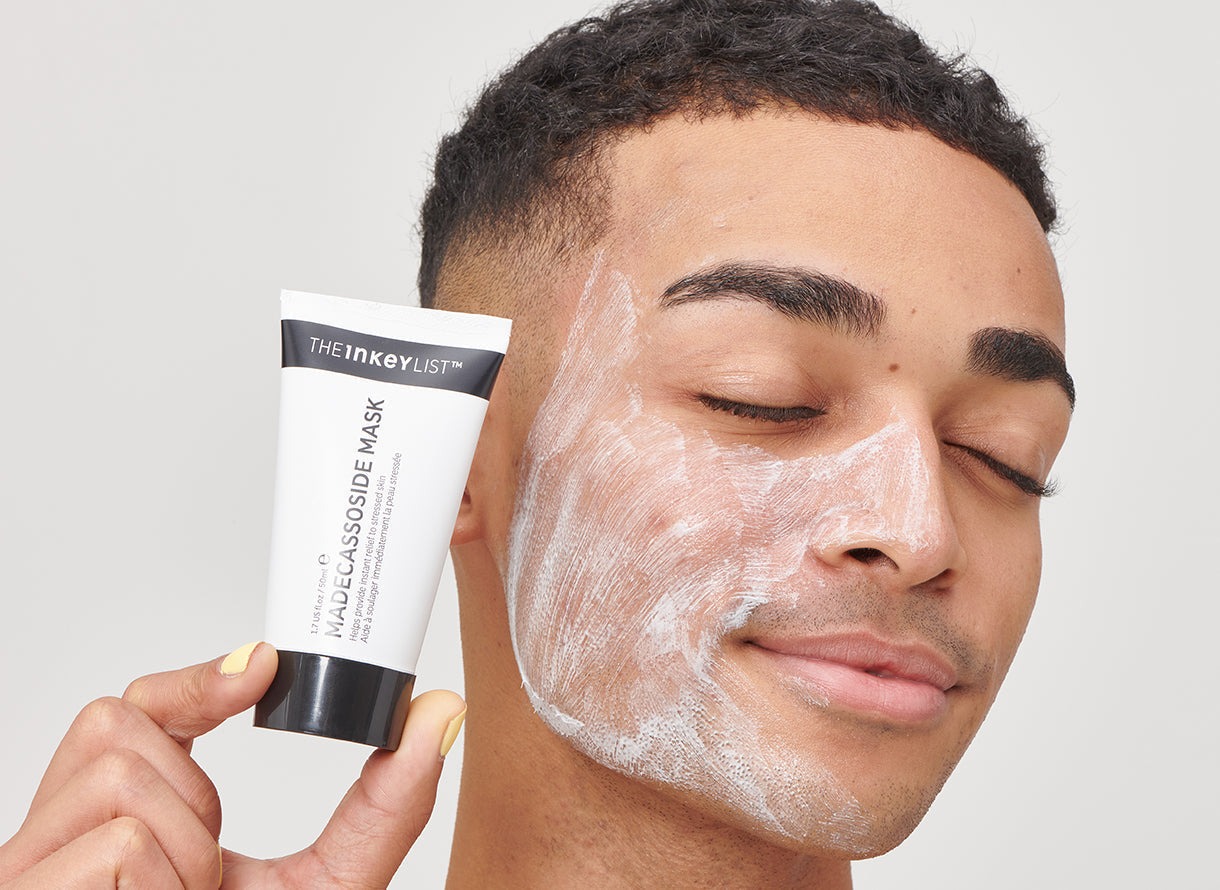
Exfoliation is an essential step in any skincare routine, helping to remove dead skin cells, unclog pores, and reveal a brighter, smoother complexion. However, when done incorrectly, it can damage your skin barrier, leading to irritation, dryness, and breakouts. Understanding how to exfoliate your face properly is crucial to maintaining healthy, glowing skin without causing harm.
What Is Exfoliation and Why It Matters
Exfoliation is the process of removing dead skin cells from the surface of your skin. Your skin naturally sheds these cells, but sometimes they accumulate, leading to dullness, uneven texture, and clogged pores. Proper exfoliation helps to:
- Improve skin texture and tone
- Enhance absorption of skincare products
- Prevent acne and blackheads
- Promote cell turnover
However, over-exfoliating or using harsh products can strip your skin’s natural protective barrier, also known as the skin barrier. This barrier is responsible for retaining moisture and protecting against environmental damage.
Understanding the Skin Barrier
The skin barrier, also called the moisture barrier, is the outermost layer of your skin. It consists of lipids and cells that work together to keep your skin hydrated and protected. When this barrier is compromised, you may experience:
- Redness and irritation
- Increased sensitivity
- Dryness and flakiness
- Breakouts
That’s why gentle and mindful exfoliation is key.
Types of Exfoliation
There are two main types of exfoliation:
1. Physical Exfoliation
This involves using scrubs or tools to manually remove dead skin cells. Common examples include:
- Face scrubs with small particles
- Exfoliating brushes or sponges
While effective, physical exfoliation can be too harsh if the particles are rough or if too much pressure is applied.
2. Chemical Exfoliation
Chemical exfoliants use acids or enzymes to dissolve dead skin cells. Common types include:
- Alpha Hydroxy Acids (AHAs)
- Beta Hydroxy Acids (BHAs)
- Enzymes from fruits
Chemical exfoliation is generally considered safer for maintaining the skin barrier when used correctly.
How to Exfoliate Face Properly
1. Know Your Skin Type
Before choosing an exfoliant, understand your skin type:
- Oily skin: Can tolerate BHAs like salicylic acid
- Dry skin: Benefits from gentle AHAs like lactic acid
- Sensitive skin: Requires mild exfoliants or enzyme-based products
- Combination skin: May need a balanced approach
2. Choose the Right Product
Avoid harsh scrubs with large, jagged particles. Instead, opt for gentle formulations that suit your skin type. Look for products labeled as “gentle” or “barrier-friendly.”
3. Don’t Over-Exfoliate
One of the most common mistakes is exfoliating too often. For most people:
- 1–2 times per week is sufficient
- Sensitive skin may need less frequent exfoliation
Overdoing it can weaken your skin barrier and cause long-term damage.
4. Use Gentle Application Techniques
If you’re using a physical exfoliant:
- Apply light pressure
- Avoid scrubbing aggressively
- Limit the time to 30–60 seconds
For chemical exfoliants:
- Follow product instructions carefully
- Avoid layering multiple exfoliating acids
5. Follow With Hydration
After exfoliating, your skin is more receptive to hydration. Use:
- Moisturizers with ceramides
- Hyaluronic acid serums
- Soothing ingredients like aloe vera
This helps restore and protect your skin barrier.
6. Always Use Sunscreen
Exfoliation makes your skin more sensitive to the sun. Apply a broad-spectrum sunscreen daily to prevent damage and pigmentation.
Common Mistakes to Avoid
- Using exfoliants daily without need
- Mixing multiple exfoliating products
- Ignoring signs of irritation
- Skipping moisturizer after exfoliation
- Using harsh DIY scrubs like sugar or salt
Exfoliation Routine Example
| Step | Action | Purpose |
|---|---|---|
| 1 | Cleanse face with gentle cleanser | Remove dirt and oil |
| 2 | Apply exfoliant (chemical or physical) | Remove dead skin cells |
| 3 | Rinse (if required) | Prevent residue buildup |
| 4 | Apply hydrating serum | Restore moisture |
| 5 | Use moisturizer | Strengthen skin barrier |
| 6 | Apply sunscreen (morning routine) | Protect skin from UV damage |
Signs You Are Over-Exfoliating
It’s important to listen to your skin. Signs of over-exfoliation include:
- Burning or stinging sensation
- Increased redness
- Peeling or flaking
- Sudden breakouts
- Tight, shiny skin
If you notice these symptoms, stop exfoliating immediately and focus on repairing your skin barrier with gentle, hydrating products.
How to Repair a Damaged Skin Barrier
If your skin barrier is already compromised:
- Stop all exfoliation temporarily
- Use fragrance-free, gentle products
- Focus on hydration and nourishment
- Incorporate barrier-repair ingredients like ceramides and fatty acids
Once your skin has healed, reintroduce exfoliation slowly.
Incorporating Other Skincare Products
Exfoliation enhances the effectiveness of other skincare products. For example, treatments like the Best Serums for Hyperpigmentation and Dark Spots Removal can penetrate better when dead skin cells are removed properly. However, avoid using strong actives immediately after exfoliation to prevent irritation.
FAQs
1. How often should I exfoliate my face?
Most people should exfoliate 1–2 times per week. Sensitive skin types may need to limit it to once every 10–14 days.
2. Can I exfoliate if I have acne?
Yes, but choose gentle chemical exfoliants like salicylic acid. Avoid harsh scrubs that can worsen inflammation.
3. Is chemical exfoliation better than physical?
Chemical exfoliation is generally safer and more effective for maintaining the skin barrier, especially for sensitive skin.
4. Can exfoliation cause breakouts?
Over-exfoliation can damage the skin barrier and lead to breakouts. Proper technique and frequency are essential.
5. Should I exfoliate in the morning or at night?
Nighttime is usually الأفضل because your skin repairs itself overnight, but either time works as long as you follow with sunscreen during the day.
6. What should I do after exfoliating?
Always hydrate your skin with a serum and moisturizer, and apply sunscreen if it’s daytime.
Final Thoughts
Exfoliating your face properly is all about balance. While it can transform your skin by improving texture and clarity, doing too much or using the wrong methods can harm your skin barrier. By understanding your skin type, choosing gentle products, and following a consistent routine, you can enjoy the benefits of exfoliation without compromising your skin’s health.