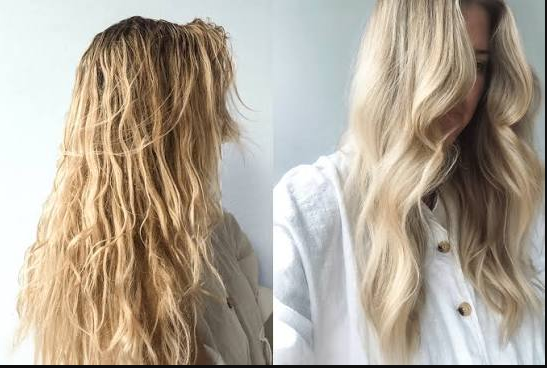
Bleaching can transform your hair color and create beautiful styles, but the process can also weaken the hair structure. Because bleach removes natural pigment from the hair, it can leave strands feeling dry, rough, brittle, and more prone to breakage.
If you are wondering how to repair damaged hair after bleaching, the key is to restore moisture, strengthen weakened strands, protect your hair from further damage, and follow a consistent repair routine.
While completely reversing chemical damage is not possible because hair is not living tissue, proper care can improve the appearance, softness, strength, and manageability of bleached hair.
Why Does Bleaching Damage Hair?
Bleach works by opening the hair cuticle and removing natural color pigments. During this process, the hair may lose some of its natural moisture and proteins.
Common signs of bleached hair damage include:
- Dry and rough texture
- Increased frizz
- Split ends
- Hair breakage
- Lack of shine
- Tangling easily
- Weak or stretchy strands
Understanding the cause of damage helps you choose the right repair methods.
Step 1: Give Your Hair a Break From Chemical Treatments
The first step in repairing bleached hair is reducing additional stress.
Avoid frequent:
- Bleaching sessions
- Permanent hair colors
- Chemical straightening treatments
- Harsh styling processes
Allowing your hair time to recover can help prevent further weakening.
If you want to maintain your color, choose gentle methods and follow proper aftercare.
Step 2: Use a Moisturizing Shampoo and Conditioner
Bleached hair often needs extra hydration because it can become dry and porous.
Choose hair care products designed for:
- Dry hair
- Damaged hair
- Color-treated hair
Look for ingredients such as:
Hyaluronic Acid
Helps provide moisture and improve the feel of dry hair.
Argan Oil
Helps soften hair and improve shine.
Shea Butter
Provides nourishing moisture for rough strands.
Glycerin
Helps attract and maintain hydration.
Avoid shampoos that leave your hair feeling extremely dry after washing.
Step 3: Add Deep Conditioning Treatments
Regular deep conditioning is one of the most effective ways to care for bleached hair.
Deep treatments can help:
- Improve softness
- Reduce the appearance of dryness
- Make hair easier to manage
- Support healthier-looking strands
Use a deep conditioner or hair mask once or twice a week depending on your hair’s needs.
Apply the product mainly to the mid-lengths and ends, where damage is usually most noticeable.
Step 4: Use Protein Treatments Carefully
Bleaching can affect the protein structure of hair, which may lead to weakness and breakage.
Protein treatments can help improve the feel and appearance of damaged hair.
Common strengthening ingredients include:
- Keratin
- Hydrolyzed proteins
- Amino acids
However, too much protein can make some hair feel stiff or dry.
Balance protein treatments with moisturizing products for better results.
Step 5: Apply Hair Oils for Extra Nourishment
Hair oils can help improve softness and reduce the appearance of dryness.
Popular options include:
Coconut Oil
Often used to support moisture retention and reduce dryness.
Argan Oil
Helps smooth frizz and improve shine.
Jojoba Oil
Provides lightweight moisture and conditioning.
Apply a small amount to the ends of your hair to avoid making the scalp oily.
Step 6: Reduce Heat Styling
Heat styling can make already damaged hair weaker.
Limit the use of:
- Straighteners
- Curling irons
- High-temperature blow dryers
When using heat tools:
- Apply heat protectant first.
- Use lower temperatures.
- Avoid daily heat styling.
Air drying whenever possible can help reduce additional damage.
Step 7: Trim Split Ends Regularly
Split ends cannot be permanently repaired with products.
Regular trimming helps:
- Remove damaged ends
- Prevent splitting from moving upward
- Improve the overall appearance of hair
A small trim can make bleached hair look healthier and feel smoother.
Step 8: Protect Hair While Washing
Small changes in your washing routine can make a big difference.
Helpful habits include:
- Use lukewarm water instead of very hot water.
- Avoid rough towel rubbing.
- Detangle gently.
- Do not brush soaking-wet hair aggressively.
Use a wide-tooth comb and start detangling from the ends upward.
Step 9: Use Leave-In Conditioner
Leave-in products provide additional moisture between washes.
They can help:
- Reduce frizz
- Improve softness
- Protect hair from environmental stress
- Make styling easier
Leave-in conditioners are especially useful for dry, bleached hair that tangles easily.
Step 10: Protect Your Hair While Sleeping
Nighttime habits can affect hair health.
Try:
- Using a silk or satin pillowcase
- Keeping hair loosely tied
- Avoiding tight hairstyles during sleep
These habits can reduce friction and minimize breakage.
Best Ingredients for Bleached Hair Repair
When choosing hair products, look for ingredients that support moisture and strength.
Helpful ingredients include:
Ceramides
Help support the hair’s protective barrier.
Keratin
Helps improve the appearance of damaged hair.
Panthenol
Provides conditioning and moisture benefits.
Natural Oils
Help improve softness and shine.
Amino Acids
Support the appearance of stronger hair.
Common Mistakes After Bleaching Hair
Avoid these mistakes:
Washing Hair Too Often
Frequent washing can increase dryness.
Using Harsh Products
Strong cleansers may make damaged hair feel worse.
Skipping Conditioner
Bleached hair usually needs extra conditioning.
Applying Too Much Heat
Heat can increase breakage.
Ignoring Hair Protection
Sun, chlorine, and environmental factors can affect color-treated hair.
Simple Weekly Routine for Bleached Hair Repair
A basic repair routine may include:
Wash Day:
- Gentle shampoo
- Hydrating conditioner
- Leave-in conditioner
Weekly Treatment:
- Deep conditioning mask
- Protein treatment when needed
Daily Protection:
- Avoid excessive heat
- Use lightweight oils or protective products
- Handle hair gently
Consistency is more important than using many products.
Can Bleached Hair Become Healthy Again?
Bleached hair cannot return to its original untreated condition because the chemical process changes the hair structure. However, proper care can greatly improve how it looks and feels.
With regular hydration, strengthening treatments, and protection, bleached hair can become:
- Softer
- Smoother
- More manageable
- Less prone to visible breakage
Final Thoughts
Learning how to repair damaged hair after bleaching requires patience, gentle care, and a consistent routine. The most important steps are restoring moisture, using strengthening treatments when needed, reducing heat damage, and protecting your hair from further stress.
Bleached hair needs extra attention, but the right approach can help improve its appearance and bring back softness, shine, and manageability. By choosing nourishing products and adopting healthier hair habits, you can enjoy beautiful colored hair while maintaining stronger-looking strands.