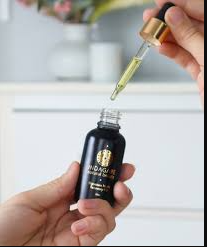

Combination skin can feel confusing to manage—you might have an oily T-zone (forehead, nose, and chin) while your cheeks remain dry or normal. The key to caring for combination skin is balance: controlling excess oil without stripping moisture from other areas.
This beginner-friendly guide will help you build a simple, effective skincare routine tailored specifically for combination skin.
What Is Combination Skin?
Combination skin means your face has multiple skin types at once.
Common signs:
- Oily T-zone
- Dry or normal cheeks
- Occasional breakouts
- Enlarged pores in certain areas
Understanding your skin type is the first step toward choosing the right products.
Basic Skincare Routine for Combination Skin
A simple routine includes cleansing, moisturizing, and protecting your skin. Let’s break it down step by step.
Step 1: Gentle Cleanser (Twice Daily)
Cleansing removes dirt, oil, and impurities without disrupting your skin’s natural balance.
What to look for:
- Mild, sulfate-free formula
- Gel or foam-based cleanser
- Non-drying ingredients
Avoid harsh cleansers that strip your skin, as they can increase oil production.
Step 2: Lightweight Toner (Optional)
A toner can help balance your skin and prepare it for the next steps.
Benefits:
- Tightens pores
- Removes leftover impurities
- Refreshes the skin
Choose alcohol-free toners to avoid irritation.
Step 3: Moisturizer (Daily)
Even combination skin needs hydration. The goal is to moisturize without making your skin greasy.
Best options:
- Lightweight, gel-based moisturizers
- Oil-free formulas
You can apply slightly more moisturizer to dry areas if needed.
Step 4: Sunscreen (Morning Routine)
Sunscreen is essential for protecting your skin from sun damage and maintaining an even complexion.
What to choose:
- Non-comedogenic formula
- Lightweight texture
- SPF 30 or higher
Using products like those recommended in Best Sunscreen for Oily Skin That Doesn’t Clog Pores can help protect your skin without causing excess shine or breakouts.
Step 5: Exfoliation (1–2 Times per Week)
Exfoliation removes dead skin cells and helps prevent clogged pores.
Types:
- Chemical exfoliants (gentle acids)
- Mild physical exfoliants
Avoid over-exfoliating, as it can irritate both oily and dry areas.
Step 6: Targeted Treatments (Optional)
You can treat different areas of your face based on their needs.
Examples:
- Clay masks for oily zones
- Hydrating masks for dry areas
- Spot treatments for acne
This approach is called “multi-masking” and works well for combination skin.
Sample Daily Routine
Morning:
- Cleanser
- Toner (optional)
- Moisturizer
- Sunscreen
Night:
- Cleanser
- Toner (optional)
- Moisturizer
- Treatment (if needed)
Comparison Table: Skincare Routine Steps
| Step | Purpose | Frequency | Product Type |
|---|---|---|---|
| Cleanser | Remove dirt and oil | Twice daily | Gel/Foam |
| Toner | Balance skin | Optional daily | Alcohol-free liquid |
| Moisturizer | Hydrate skin | Twice daily | Lightweight gel |
| Sunscreen | Protect from UV rays | Daily (morning) | SPF 30+ |
| Exfoliation | Remove dead skin cells | 1–2 times/week | Mild exfoliant |
Tips for Managing Combination Skin
1. Use Different Products for Different Areas
Apply oil-control products on the T-zone and hydrating products on dry areas.
2. Avoid Heavy Products
Thick creams can clog pores in oily areas.
3. Stay Consistent
Consistency is more important than using many products.
4. Patch Test New Products
Always test new products to avoid irritation.
Common Mistakes to Avoid
- Over-cleansing your face
- Skipping moisturizer
- Using harsh products
- Ignoring sunscreen
- Treating your entire face the same
Avoiding these mistakes helps maintain balance and prevent skin issues.
FAQs
1. How do I know if I have combination skin?
If your T-zone is oily while other areas are dry or normal, you likely have combination skin.
2. Can I use the same moisturizer for my entire face?
Yes, but choose a lightweight formula suitable for both oily and dry areas.
3. How often should I exfoliate?
1–2 times per week is enough for most people with combination skin.
4. Is toner necessary?
Not essential, but it can help balance your skin and improve product absorption.
5. What type of sunscreen is best?
Lightweight, non-comedogenic sunscreen with SPF 30 or higher is ideal.
6. Can combination skin change over time?
Yes, factors like weather, age, and hormones can affect your skin type.
Final Thoughts
Managing combination skin doesn’t have to be complicated. With the right routine and balanced approach, you can control oil, hydrate dry areas, and maintain healthy, glowing skin.