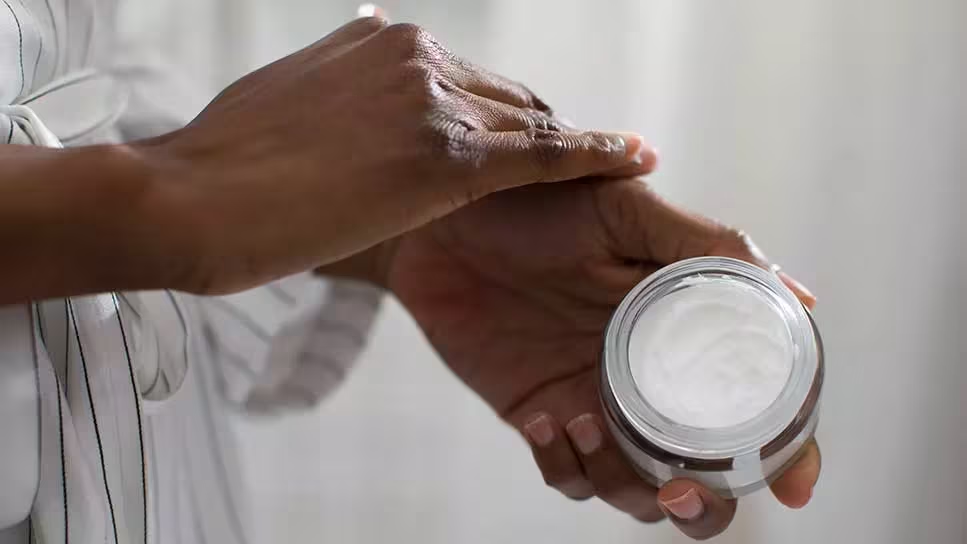
Eczema-prone skin requires special attention, patience, and carefully selected products. One of the most important rules in managing eczema is avoiding irritation — and fragrance is one of the most common triggers. That’s why choosing fragrance-free skincare products for eczema is essential for maintaining a calm, healthy skin barrier.
In this comprehensive guide, you’ll learn why fragrance-free formulas matter, what ingredients to look for, which products to include in your routine, and how to build a soothing skincare regimen at home. A helpful table and FAQs are included to make your choices easier.
What Is Eczema?
Eczema, also known as atopic dermatitis, is a chronic skin condition that causes:
- Dry, flaky skin
- Redness and inflammation
- Itching
- Cracking or irritation
- Sensitivity to skincare ingredients
Eczema weakens the skin barrier, making it more vulnerable to irritants — especially artificial fragrance.
Why Fragrance-Free Matters for Eczema
Fragrances, whether synthetic or natural (like essential oils), can:
- Trigger allergic reactions
- Increase redness
- Cause itching and burning
- Disrupt the skin barrier
Even products labeled “unscented” may still contain masking fragrances. That’s why it’s important to specifically look for products labeled “fragrance-free.”
Using fragrance-free skincare products for eczema reduces the risk of flare-ups and helps maintain long-term skin comfort.
Key Ingredients to Look For
When choosing eczema-friendly skincare, focus on barrier-repairing and soothing ingredients.
Ceramides
Restore and strengthen the skin barrier.
Colloidal Oatmeal
Soothes itching and inflammation.
Glycerin
Attracts moisture to keep skin hydrated.
Hyaluronic Acid
Provides deep hydration without heaviness.
Shea Butter
Adds nourishment and reduces dryness.
Niacinamide (Low Concentration)
Calms redness and supports barrier function.
Ingredients to Avoid
If you have eczema, try to avoid:
- Artificial fragrance
- Essential oils (lavender, citrus, peppermint)
- Alcohol-based formulas
- Harsh exfoliating acids
- Strong retinoids during flare-ups
These can worsen irritation and prolong healing.
Product Comparison Table
Here’s a helpful guide to selecting fragrance-free skincare products for eczema:
| Product Type | Key Ingredients to Look For | Avoid | Purpose |
|---|---|---|---|
| Cleanser | Glycerin, ceramides | Foaming sulfates, fragrance | Gentle cleansing |
| Moisturizer | Ceramides, shea butter | Essential oils | Barrier repair |
| Body Lotion | Colloidal oatmeal | Alcohol-based formulas | Itch relief and hydration |
| Sunscreen | Zinc oxide | Chemical filters (if sensitive) | UV protection |
| Serum | Hyaluronic acid | Strong acids | Extra hydration |
Building an Eczema-Friendly Skincare Routine
Morning Routine
- Use a gentle, fragrance-free cleanser.
- Apply hydrating serum (optional).
- Use a rich moisturizer.
- Finish with mineral sunscreen.
Evening Routine
- Cleanse gently.
- Apply soothing cream.
- Use a thicker occlusive moisturizer if skin is very dry.
Keep the routine simple. Overloading the skin with too many products can cause irritation.
Tips for Managing Eczema at Home
In addition to using fragrance-free skincare products for eczema, consider these habits:
- Take lukewarm showers instead of hot.
- Pat skin dry — don’t rub.
- Apply moisturizer within 3 minutes of showering.
- Use a humidifier in dry climates.
- Wear soft, breathable fabrics like cotton.
Consistency in care helps reduce flare-ups over time.
Can You Wear Makeup with Eczema?
Yes, but choose fragrance-free and hypoallergenic makeup products. Always apply a protective moisturizer underneath.
Proper skin prep makes makeup look smoother and more comfortable. Just like learning How to Contour Round Face Shape Naturally enhances facial features without harsh lines, choosing gentle skincare ensures your base remains calm and healthy before applying cosmetics.
How Long Does It Take to See Improvement?
With consistent use of fragrance-free skincare products for eczema, many people notice:
- Reduced itching within a few days
- Improved hydration within 1–2 weeks
- Fewer flare-ups over several weeks
However, severe eczema may require medical treatment alongside skincare.
Common Mistakes to Avoid
- Trying too many new products at once
- Ignoring ingredient labels
- Over-exfoliating
- Using heavily scented “natural” products
- Skipping moisturizer
Gentle, consistent care is more effective than aggressive treatments.
When to See a Dermatologist
Consult a professional if you experience:
- Severe itching
- Oozing or crusting
- Persistent redness
- No improvement after several weeks
Medical creams or prescription treatments may be necessary for moderate to severe eczema.
FAQs About Fragrance-Free Skincare Products for Eczema
1. Is “unscented” the same as fragrance-free?
No. Unscented products may still contain masking fragrances. Always check the label for “fragrance-free.”
2. Can natural essential oils trigger eczema?
Yes. Even natural fragrances can irritate sensitive skin.
3. How often should I moisturize?
At least twice daily, and immediately after bathing.
4. Are mineral sunscreens better for eczema?
Yes, zinc oxide-based sunscreens are usually gentler.
5. Can I exfoliate if I have eczema?
Avoid exfoliation during flare-ups. Gentle exfoliation may be used only with caution and professional advice.
6. Do fragrance-free products cure eczema?
No, but they significantly reduce irritation and help manage symptoms.
Final Thoughts
Choosing fragrance-free skincare products for eczema is one of the most important steps in managing sensitive, reactive skin. By focusing on barrier-repairing ingredients and avoiding irritants, you can reduce flare-ups, improve hydration, and maintain healthier skin over time.