Chemical treatments like coloring, bleaching, rebonding, perming, and relaxing can leave hair dry, brittle, and prone to breakage. If your strands feel rough or damaged, using the best hair masks for chemically treated hair can restore moisture, strengthen the hair shaft, and bring back shine and softness.
Deep conditioning masks are essential for repairing damage and maintaining healthy, manageable hair after chemical processing. Let’s explore what to look for and which types of masks work best.
Why Chemically Treated Hair Needs Extra Care
Chemical treatments:
- Break down the hair’s natural protein structure
- Strip away moisture
- Weaken hair bonds
- Increase porosity
- Cause split ends and frizz
Because of this, regular conditioner isn’t enough. You need intensive, nourishing masks that penetrate deeply and rebuild the hair from within.
What to Look for in Hair Masks
When choosing the best hair masks for chemically treated hair, look for these key ingredients:
1. Keratin
Rebuilds damaged protein bonds and strengthens hair.
2. Argan Oil
Restores shine and smoothness while reducing frizz.
3. Coconut Oil
Penetrates the hair shaft to prevent protein loss.
4. Shea Butter
Deeply moisturizes dry, brittle strands.
5. Hydrolyzed Proteins
Improve elasticity and reduce breakage.
6. Ceramides
Help repair the hair cuticle and retain moisture.
Types of Hair Masks for Damaged Hair
1. Protein-Rich Repair Masks
Best for: Severely damaged, over-processed hair
These masks rebuild internal hair structure and improve strength. Use once a week to avoid protein overload.
2. Deep Moisturizing Masks
Best for: Dry, frizzy, color-treated hair
Hydrating masks soften rough strands and improve manageability. Ideal for weekly use.
3. Bond-Building Treatments
Best for: Bleached or chemically straightened hair
Bond-building formulas repair broken disulfide bonds inside the hair shaft. They are especially effective for extreme damage.
4. Natural Oil-Based Masks
Best for: Mild to moderate dryness
DIY options include:
- Coconut oil + honey
- Olive oil + yogurt
- Avocado + argan oil
These provide deep nourishment naturally.
How to Use a Hair Mask Correctly
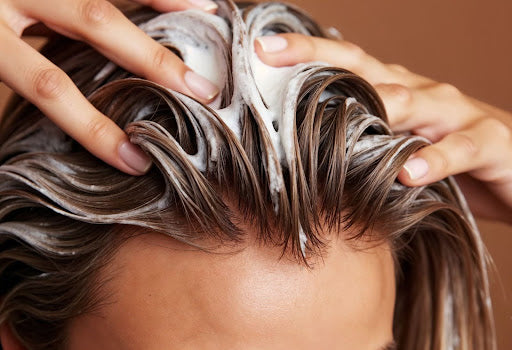
- Wash hair with a gentle shampoo.
- Remove excess water with a towel.
- Apply mask from mid-length to ends.
- Leave on for 15–30 minutes (or as directed).
- Rinse thoroughly with lukewarm water.
For deeper conditioning, wrap hair in a warm towel while the mask sits.
How Often Should You Use a Hair Mask?
- Mild damage: Once a week
- Moderate damage: Twice weekly
- Severe chemical damage: Follow product instructions carefully
Avoid overuse of protein masks, as too much protein can make hair stiff.
Extra Tips for Chemically Treated Hair
✔ Use sulfate-free shampoo
✔ Avoid excessive heat styling
✔ Trim split ends regularly
✔ Sleep on a silk pillowcase
✔ Use leave-in conditioner for added protection
Healthy scalp care is equally important. Just as skincare routines focus on nourishing ingredients in Clean Beauty Brands for Mature Skin, hair care should prioritize gentle, nourishing formulations to maintain long-term health.
Signs Your Hair Mask Is Working
- Hair feels softer after washing
- Less breakage while brushing
- Improved shine
- Reduced frizz
- Better elasticity
Consistency brings visible results within a few weeks.
Common Mistakes to Avoid
❌ Applying mask to roots (can cause oiliness)
❌ Using very hot water
❌ Skipping regular trims
❌ Overloading with protein treatments
❌ Not reading ingredient labels
Balanced care is key for recovery.
Final Thoughts
Choosing the best hair masks for chemically treated hair can dramatically improve the health and appearance of damaged strands. Focus on repairing proteins, deep hydration, and gentle maintenance to restore shine and strength.