At-home chemical peels have become a popular way to improve skin texture, reduce acne scars, and achieve a brighter complexion without visiting a dermatologist. However, using chemical peels incorrectly can lead to irritation, burns, or long-term damage. That’s why understanding how to do an at-home chemical peel safely is essential.
In this guide, you’ll learn everything you need to know, including types of peels, step-by-step instructions, precautions, and aftercare tips.
What is a Chemical Peel?
A chemical peel is a skincare treatment that uses acids to exfoliate the top layer of the skin. This process removes dead skin cells and promotes the growth of new, healthier skin.
Types of Chemical Peels:
- Superficial peels: Mild acids like alpha hydroxy acids (AHAs) for gentle exfoliation
- Medium peels: Stronger acids like glycolic acid or trichloroacetic acid (TCA)
- Deep peels: Intense treatments usually done by professionals
For at-home use, only superficial peels are recommended.
Benefits of At-Home Chemical Peels
When done correctly, chemical peels can offer several benefits:
- Improve skin texture
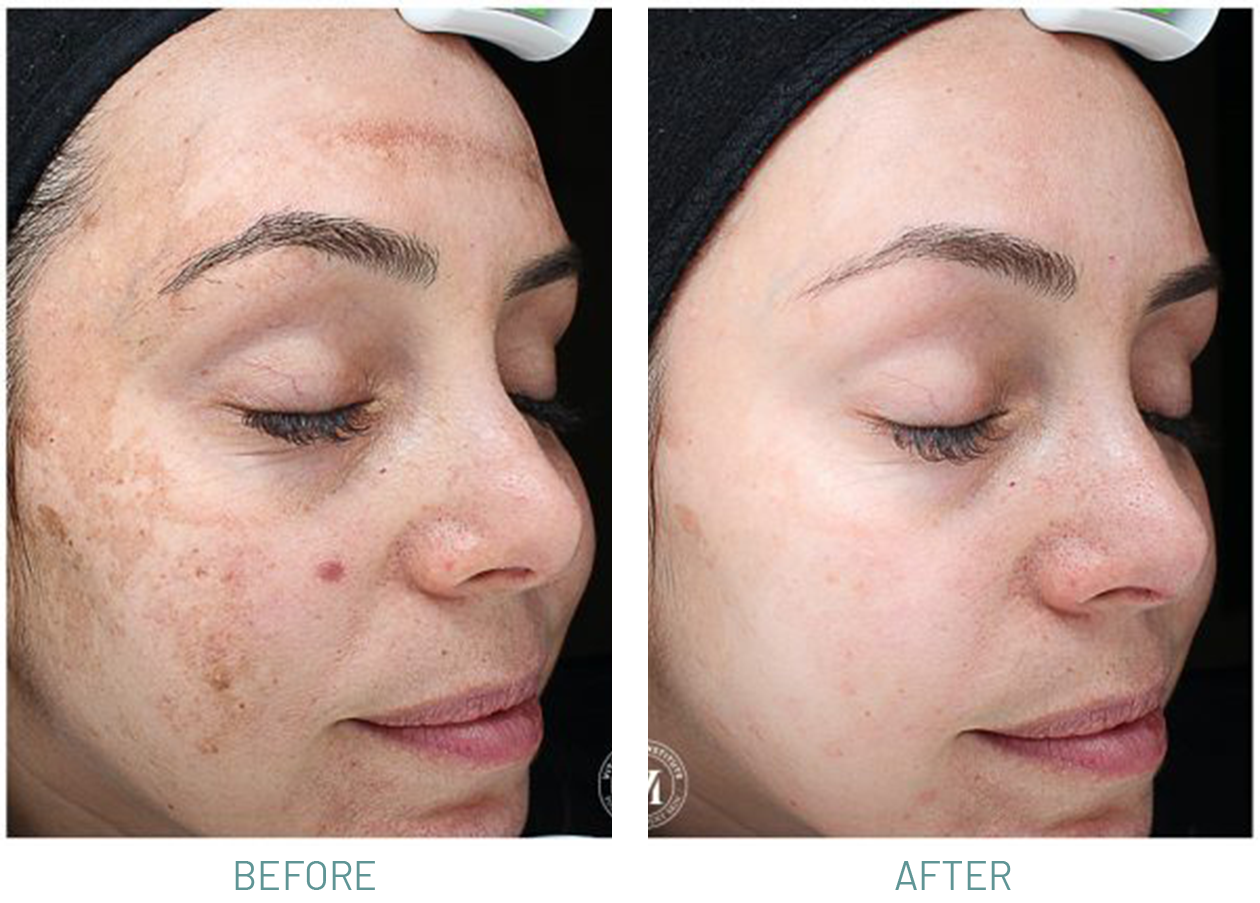
- Reduce dark spots and pigmentation
- Minimize fine lines
- Unclog pores and reduce acne
- Brighten dull skin
Is It Safe to Do a Chemical Peel at Home?
Yes, at-home chemical peels are safe if you:
- Use low-concentration products
- Follow instructions carefully
- Avoid overuse
Always choose beginner-friendly formulas and avoid professional-grade peels.
Step-by-Step Guide to Doing a Chemical Peel at Home
1. Choose the Right Peel
Select a peel based on your skin type:
- Sensitive skin: Lactic acid
- Oily/acne-prone skin: Salicylic acid
- Dull or uneven skin: Glycolic acid
2. Do a Patch Test
Apply a small amount on your inner arm or behind your ear. Wait 24 hours to check for any reaction.
3. Cleanse Your Face
Use a gentle cleanser to remove dirt, oil, and makeup.
4. Apply the Peel
- Use a brush or cotton pad
- Apply a thin, even layer
- Avoid sensitive areas like eyes and lips
5. Leave It On for Recommended Time
Follow product instructions strictly—usually 5 to 10 minutes.
6. Rinse Thoroughly
Use lukewarm water to remove the peel completely.
7. Apply Soothing Products
Use a gentle moisturizer or hydrating serum to calm your skin.
Safety Tips to Follow
- Start with low-strength peels
- Never leave the peel on longer than instructed
- Avoid mixing with strong active ingredients
- Always wear sunscreen after treatment
- Limit use to once every 1–2 weeks
Aftercare Routine
Aftercare is crucial for protecting your skin and maximizing results.
What to Do:
- Apply a hydrating moisturizer
- Use sunscreen daily
- Keep skin hydrated
What to Avoid:
- Direct sun exposure
- Harsh scrubs or exfoliants
- Retinol or strong acids for a few days
You can also support your skin recovery by using gentle products like Organic Facial Oils for Combination Skin to restore hydration and maintain balance after the peel.
Comparison Table of Common At-Home Peels
| Peel Type | Best For | Strength Level | Frequency |
|---|---|---|---|
| Lactic Acid | Sensitive, dry skin | Mild | Weekly |
| Glycolic Acid | Dull, uneven skin | Medium | Every 1–2 weeks |
| Salicylic Acid | Acne-prone, oily skin | Mild to Medium | Weekly |
| Mandelic Acid | Combination skin | Mild | Weekly |
Common Mistakes to Avoid
Over-Exfoliating
Using peels too often can damage your skin barrier.
Skipping Patch Tests
This increases the risk of allergic reactions.
Ignoring Instructions
Each product has different guidelines—always follow them.
Not Using Sunscreen
Your skin becomes more sensitive after a peel, making sun protection essential.
Who Should Avoid At-Home Chemical Peels?
Avoid chemical peels if you:
- Have very sensitive or broken skin
- Are dealing with severe acne or skin conditions
- Are using strong prescription treatments
Consult a dermatologist if you’re unsure.
Benefits of Doing It at Home
- Cost-effective compared to professional treatments
- Convenient and time-saving
- Easy to include in your skincare routine
FAQs
Are at-home chemical peels safe?
Yes, when used correctly and with low-strength formulas.
How often should I do a chemical peel?
Once every 1–2 weeks is generally safe for most skin types.
Can beginners use chemical peels?
Yes, beginners should start with mild acids like lactic acid.
What should I do if my skin feels irritated?
Stop using the peel and apply soothing, hydrating products.
How long does it take to see results?
You may notice smoother skin after one use, but consistent results appear over time.
Can I use makeup after a chemical peel?
It’s best to wait at least 24 hours before applying makeup.
Conclusion
At-home chemical peels can be a safe and effective way to improve your skin when done correctly. By choosing the right product, following proper steps, and taking care of your skin afterward, you can achieve a smoother, brighter complexion without professional treatments.