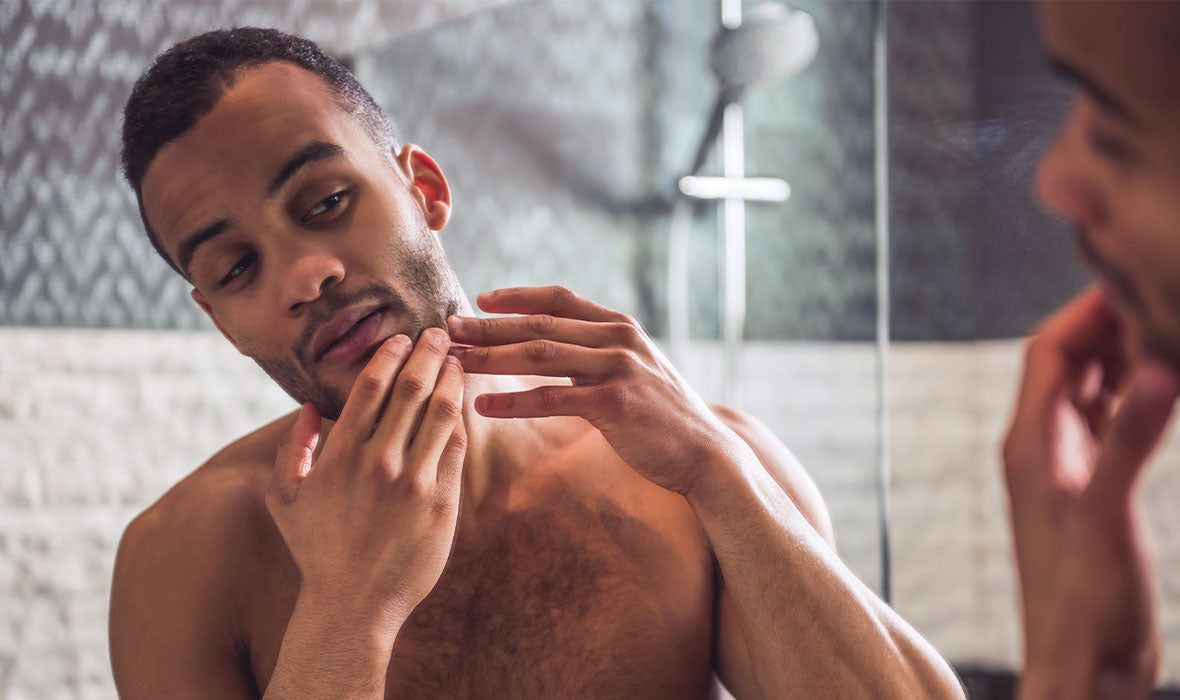
Beard acne is a common problem for many men who grow facial hair. It can appear as small red bumps, painful pimples, whiteheads, or irritation under and around the beard area. This condition often develops due to clogged pores, trapped oil, sweat, bacteria, and improper beard hygiene.
The good news is that beard acne is completely manageable with a simple, consistent skincare and beard care routine. You do not need complicated or expensive products—just the right habits, proper cleansing, and skin-friendly grooming techniques.
This guide explains a complete skincare routine for men with beard acne issues, including daily care, beard maintenance, and lifestyle tips to keep the skin clean and healthy.
What Causes Beard Acne in Men?
Beard acne can develop for several reasons, especially when facial hair traps dirt and oil close to the skin.
Common causes include:
- Poor beard hygiene
- Clogged pores
- Excess oil production
- Dead skin buildup
- Sweat and bacteria
- Using harsh or low-quality beard products
- Not washing the beard regularly
- Ingrown hairs from improper shaving or trimming
Understanding the root cause helps in choosing the right solution.
Step-by-Step Skincare Routine for Beard Acne
A simple and consistent routine is the most effective way to reduce breakouts under the beard.
Step 1: Cleanse the Face and Beard Daily
Cleansing is the most important step for preventing beard acne.
Use a gentle, sulfate-free face wash that removes dirt and oil without drying the skin.
Look for ingredients like:
- Tea tree oil
- Aloe vera
- Salicylic acid (mild concentration)
- Charcoal
- Green tea
Wash your face and beard twice daily—morning and night. Make sure to massage the cleanser deep into the beard to remove trapped impurities.
Step 2: Exfoliate 2–3 Times a Week
Exfoliation removes dead skin cells that clog pores and cause acne.
Use a gentle exfoliator such as:
- Mild scrub with natural beads
- Chemical exfoliants like salicylic acid
- Oatmeal-based scrubs
Avoid harsh scrubbing because it can irritate skin and worsen beard acne.
Step 3: Keep the Beard Clean and Trimmed
A clean beard reduces the chances of acne significantly.
Tips for beard maintenance:
- Trim regularly to avoid ingrown hairs
- Wash beard after sweating
- Avoid leaving food or oil residue in beard
- Use a clean towel to dry the beard
A well-maintained beard allows better airflow and reduces bacterial buildup.
Step 4: Use a Lightweight Moisturizer
Many men skip moisturizing, which actually worsens acne.
Choose a non-comedogenic moisturizer that hydrates the skin without clogging pores.
Good ingredients include:
- Hyaluronic acid
- Aloe vera
- Niacinamide
- Glycerin
Apply moisturizer after washing your face to keep skin balanced and calm.
Step 5: Apply Acne Treatment (If Needed)
For active breakouts, targeted treatment can help reduce inflammation.
Options include:
- Tea tree oil (diluted)
- Benzoyl peroxide spot treatment
- Salicylic acid gel
- Aloe vera gel for soothing
Apply only on affected areas to avoid dryness.
Step 6: Beard Oil for Healthy Skin
Beard oil is essential for both hair and skin health.
It helps:
- Soften beard hair
- Reduce itchiness
- Prevent dryness
- Improve skin barrier
Choose lightweight oils like argan oil, jojoba oil, or almond oil.
Daily Beard Hygiene Tips
Simple habits can greatly reduce beard acne:
- Wash beard after workouts
- Avoid touching beard frequently
- Use clean pillowcases
- Sanitize grooming tools regularly
- Avoid heavy, greasy beard products
Consistency is key for long-term improvement.
Diet and Lifestyle for Clear Skin
Skin health is closely linked to lifestyle choices.
Eat Skin-Friendly Foods
Include:
- Fruits and vegetables
- Omega-3 rich foods
- Nuts and seeds
- Water-rich foods
Drink Enough Water
Hydration helps flush toxins and reduce skin inflammation.
Reduce Sugar and Junk Food
Excess sugar can trigger acne flare-ups.
Manage Stress
Stress increases hormone levels that can worsen acne.
Get Proper Sleep
Poor sleep slows down skin healing and increases breakouts.
Common Mistakes That Worsen Beard Acne
Overwashing the Beard
Too much cleansing can dry out skin and trigger more oil production.
Using Harsh Products
Strong alcohol-based products can irritate the skin.
Ignoring Beard Hygiene
Dirty beards trap bacteria and worsen acne.
Shaving Too Closely
This can lead to ingrown hairs and inflammation.
Beard Styling Tips for Acne-Prone Skin
- Keep beard neatly trimmed instead of overly thick
- Use minimal styling products
- Avoid heavy waxes and gels
- Let skin breathe regularly
A clean, well-maintained beard always looks healthier and reduces acne risk.
When to See a Dermatologist
If beard acne is severe or persistent, professional treatment may be needed. Dermatologists may recommend:
- Prescription creams
- Antibiotics
- Retinoids
- Chemical peels
Early treatment prevents scarring and long-term skin damage.
How Makeup and Skin Coverage Fit In
While skincare is the main solution, some men occasionally use light coverage products for events or photos. Choosing the right product matters for natural appearance. For example, products like the “Best Concealer for Dark Circles in Indian Skin Tone” are often used to even out skin tone discreetly without making the skin look heavy or artificial.
FAQs
What causes acne under the beard?
Beard acne is mainly caused by clogged pores, oil buildup, bacteria, and poor hygiene.
Should I shave my beard if I have acne?
Not necessarily. Proper beard care and hygiene are usually enough to control acne.
Can beard oil cause acne?
Heavy or comedogenic oils may clog pores, but lightweight oils like jojoba are usually safe.
How often should I wash my beard?
Twice a day is ideal for acne-prone skin, especially morning and night.
Is salicylic acid good for beard acne?
Yes, it helps unclog pores and reduce inflammation when used in moderation.
Final Thoughts
Managing beard acne is all about maintaining cleanliness, using gentle skincare products, and following a consistent routine. With proper cleansing, exfoliation, hydration, and beard maintenance, most men can significantly reduce breakouts and improve skin health.