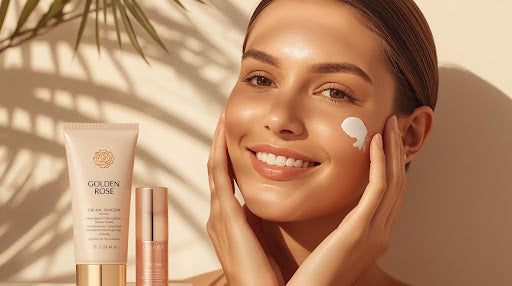
Finding the best sunscreen for daily use under makeup for oily skin can be challenging because many sunscreens feel heavy, greasy, or cause makeup to slide off. Oily skin needs sun protection that is lightweight, non-comedogenic, fast-absorbing, and mattifying so it does not interfere with foundation or concealer.
Sunscreen is not optional, even for oily skin or makeup users. It is the most important step in preventing tanning, premature aging, pigmentation, and sun damage. The key is choosing the right formula that works well under makeup without clogging pores or making the skin look shiny.
This guide explains how to choose the best sunscreen for oily skin under makeup, what ingredients to look for, application tips, and common mistakes to avoid.
Why Sunscreen Is Essential for Oily Skin
Oily skin may produce excess sebum, but it is still highly vulnerable to UV damage. Without sunscreen, you may experience:
- Dark spots and pigmentation
- Acne marks getting darker
- Premature aging
- Uneven skin tone
- Sunburn
- Increased oil production
Using sunscreen daily helps control long-term skin damage and improves overall skin health.
What Makes a Sunscreen Good for Oily Skin Under Makeup
Not all sunscreens work well with makeup. Oily skin requires a special formula that stays light and matte.
Key Features to Look For
| Feature | Why It Matters |
|---|---|
| Oil-free formula | Prevents greasiness |
| Non-comedogenic | Does not clog pores |
| Matte finish | Controls shine under makeup |
| Lightweight texture | Comfortable for daily wear |
| Fast absorption | Works well under foundation |
| SPF 30–50 | Provides strong UV protection |
A good sunscreen should feel like nothing on the skin after application.
Best Types of Sunscreen for Oily Skin
Gel-Based Sunscreen
Gel sunscreens are the most popular choice for oily skin.
Benefits:
- Lightweight texture
- No sticky residue
- Quick absorption
- Matte finish
They work extremely well under makeup and prevent foundation from slipping.
Fluid or Water-Based Sunscreen
These sunscreens feel like a light lotion or serum.
Benefits:
- Hydrating but not greasy
- Smooth application
- Invisible under makeup
Matte Sunscreen
Designed specifically for oil control.
Benefits:
- Reduces shine
- Helps makeup last longer
- Ideal for humid weather
Ingredients That Work Best for Oily Skin
Look for sunscreens that contain skin-friendly and oil-controlling ingredients such as:
- Niacinamide (controls oil and brightens skin)
- Zinc oxide (protects and soothes skin)
- Silica (absorbs excess oil)
- Hyaluronic acid (light hydration without heaviness)
- Green tea extract (anti-inflammatory)
These ingredients help maintain balance without clogging pores.
How to Apply Sunscreen Under Makeup
Proper application is just as important as choosing the right product.
Step-by-Step Application
- Cleanse your face properly
- Apply lightweight moisturizer (if needed)
- Take enough sunscreen (two-finger rule)
- Apply evenly across face and neck
- Wait 10–15 minutes before makeup
- Apply primer and foundation
Allowing sunscreen to settle prevents pilling and improves makeup performance.
Common Mistakes to Avoid
Using Too Little Sunscreen
Most people under-apply sunscreen, which reduces effectiveness.
Skipping Reapplication
Sunscreen should be reapplied every 2–3 hours if outdoors.
Applying Makeup Immediately
Not waiting after sunscreen can cause patchy makeup.
Choosing Heavy Cream Sunscreens
Thick formulas can break down makeup and increase oiliness.
How Sunscreen Affects Makeup Performance
A good sunscreen can actually improve makeup longevity by:
- Creating a smooth base
- Controlling oil throughout the day
- Preventing patchiness
- Reducing oxidation of foundation
However, the wrong sunscreen can cause makeup to melt or separate.
Tips for Oily Skin with Makeup
- Use blotting papers during the day
- Choose matte or satin foundation
- Avoid heavy layering of products
- Use setting spray for long wear
- Keep skincare minimal before makeup
Lifestyle Habits for Better Skin and Sun Protection
Healthy habits also improve skin balance:
- Drink plenty of water
- Eat antioxidant-rich foods
- Cleanse skin twice daily
- Avoid touching face frequently
- Remove makeup before sleeping
These habits reduce oil buildup and improve sunscreen effectiveness.
Interestingly, skincare routines are often connected across different concerns. For example, men dealing with breakouts in facial hair areas often follow a “Skincare Routine for Men With Beard Acne Issues” to maintain overall skin health and prevent irritation that can affect sunscreen performance and makeup application.
FAQs
Can oily skin skip sunscreen if indoors?
No. UV rays can still enter through windows, so sunscreen is recommended daily.
Which sunscreen is best for oily skin under makeup?
Gel-based, matte, or water-based sunscreens are generally the best options.
Does sunscreen make oily skin more greasy?
Not if you choose an oil-free, non-comedogenic formula.
How long should I wait before applying makeup after sunscreen?
Around 10–15 minutes is ideal.
Can I use sunscreen instead of primer?
Some sunscreens work as a primer, but it depends on the formula.
Final Thoughts
Choosing the best sunscreen for daily use under makeup for oily skin is essential for maintaining healthy, protected, and shine-free skin throughout the day. The right sunscreen should feel lightweight, absorb quickly, and work seamlessly under makeup without causing greasiness or breakouts.