Damaged hair is often the result of heat styling, chemical treatments, pollution, and lack of proper nourishment. When hair becomes weak, dry, and prone to breakage, it needs deep conditioning to restore strength and shine. Homemade hair masks are an affordable and effective way to repair damage naturally without harsh chemicals.
This guide covers simple DIY hair masks you can make at home to bring your hair back to life.
Why Homemade Hair Masks Work
Natural ingredients are rich in vitamins, minerals, and fatty acids that penetrate the hair shaft and repair damage from within.
Benefits:
- Restore moisture balance
- Reduce breakage and split ends
- Improve shine and softness
- Strengthen hair roots
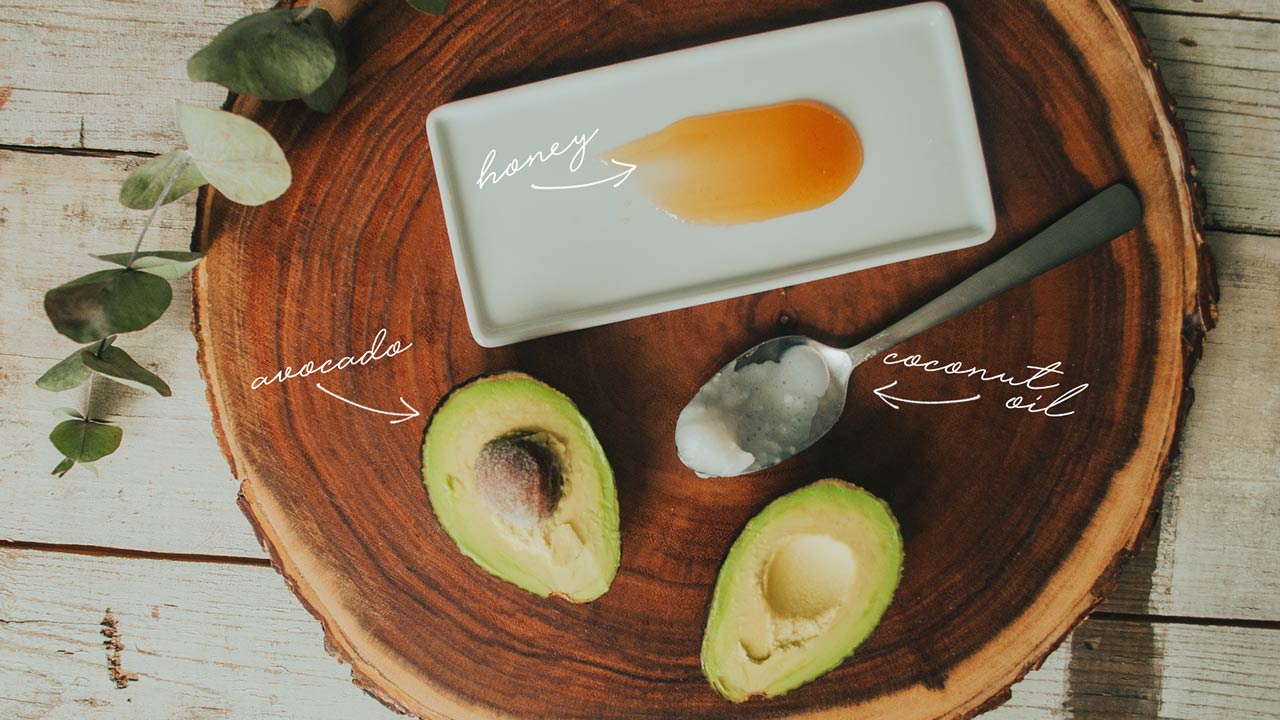
1. Coconut Oil and Honey Mask
This is one of the most effective masks for dry and damaged hair.
Ingredients:
- 2 tablespoons coconut oil
- 1 tablespoon honey
Benefits:
- Deep hydration
- Repairs protein loss
- Adds natural shine
How to use:
Mix ingredients, apply to hair from roots to ends, leave for 30–45 minutes, then rinse with mild shampoo.
2. Banana and Yogurt Mask
Banana is rich in potassium, while yogurt contains proteins that strengthen hair.
Ingredients:
- 1 ripe banana
- 2 tablespoons yogurt
Benefits:
- Repairs brittle hair
- Smooths frizz
- Improves elasticity
How to use:
Blend into a smooth paste, apply evenly, leave for 30 minutes, then wash thoroughly.
3. Aloe Vera and Olive Oil Mask
Aloe vera soothes the scalp while olive oil nourishes deeply.
Ingredients:
- 3 tablespoons aloe vera gel
- 1 tablespoon olive oil
Benefits:
- Repairs scalp damage
- Reduces dryness
- Promotes healthy growth
4. Egg and Castor Oil Mask
Eggs are rich in protein, which is essential for hair repair.
Ingredients:
- 1 egg
- 1 tablespoon castor oil
Benefits:
- Strengthens hair strands
- Reduces breakage
- Improves thickness
How to use:
Apply evenly, leave for 20–30 minutes, rinse with cool water.
5. Avocado and Honey Mask
Avocado is packed with healthy fats that restore damaged hair.
Ingredients:
- 1 ripe avocado
- 1 tablespoon honey
Benefits:
- Deep nourishment
- Repairs split ends
- Enhances shine
Comparison Table: Hair Mask Benefits
| Mask Type | Main Benefit | Best For | Frequency |
|---|---|---|---|
| Coconut & Honey | Deep hydration | Dry hair | Weekly |
| Banana & Yogurt | Strength & smoothness | Frizzy hair | Weekly |
| Aloe & Olive Oil | Scalp repair | Dry scalp | Weekly |
| Egg & Castor Oil | Protein boost | Weak hair | 1–2 times/week |
| Avocado & Honey | Nourishment | Damaged ends | Weekly |
Tips for Best Results
1. Apply on Damp Hair
Masks absorb better on slightly damp hair.
2. Be Consistent
Use masks at least once a week for visible improvement.
3. Avoid Hot Water
Rinse with lukewarm or cool water to prevent further damage.
4. Follow a Gentle Routine
Harsh shampoos and heat styling can undo progress.
A consistent routine, similar in discipline to a Skincare Routine for Combination Skin, helps maintain long-term results for both hair and skin health.
Common Mistakes to Avoid
- Using masks on dirty hair
- Overusing protein-based masks
- Leaving masks on too long
- Not rinsing properly
- Skipping regular care routine
FAQs
1. How long does it take to repair damaged hair?
Visible improvement usually takes 3–6 weeks with consistent care.
2. Can homemade hair masks really repair damage?
Yes, they help restore moisture and strengthen hair over time.
3. How often should I use hair masks?
Once a week is ideal for most hair types.
4. Which is the best mask for very dry hair?
Coconut oil and honey mask is highly effective for deep hydration.
5. Can I store homemade hair masks?
It’s best to use them fresh for maximum effectiveness.
6. Do I need conditioner after a hair mask?
Usually not necessary, but it depends on your hair type.
Final Thoughts
Homemade hair masks are a powerful and natural way to repair damaged hair. With regular use and proper care, you can restore softness, strength, and shine without relying on expensive treatments.