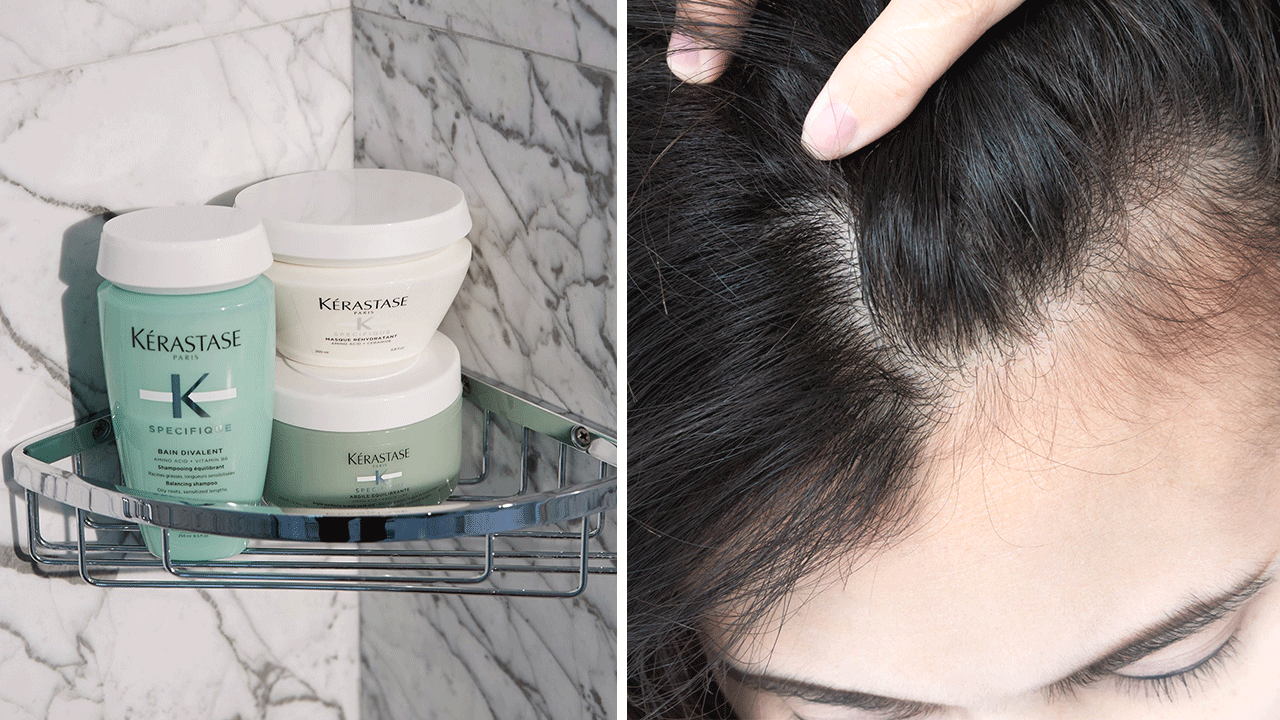
Dealing with an oily scalp and dry ends can feel frustrating because you’re managing two opposite hair concerns at once. While your roots may look greasy shortly after washing, your ends can appear dull, brittle, and prone to split ends. The key to solving this issue lies in balancing your scalp’s oil production while deeply nourishing the lengths of your hair.
This guide provides practical and effective tips to help you maintain healthy, balanced, and beautiful hair.
Understanding the Problem
An oily scalp occurs when sebaceous glands produce excess sebum, while dry ends result from a lack of moisture and damage over time. Common causes include:
- Overwashing or underwashing
- Using harsh shampoos
- Heat styling and chemical treatments
- Poor diet and hydration
- Environmental factors like pollution and sun exposure
Addressing both issues requires a targeted approach rather than a one-size-fits-all routine.
Best Hair Care Tips for Balanced Hair
1. Use a Gentle, Balancing Shampoo
Choose a sulfate-free shampoo designed for oily scalps. These formulas help control excess oil without stripping your hair completely. Focus shampoo on your scalp rather than the lengths.
2. Condition Only the Ends
Apply conditioner from mid-length to ends, avoiding the scalp. This keeps your ends hydrated without making your roots greasy.
3. Avoid Overwashing
Washing your hair too frequently can actually increase oil production. Aim to wash your hair 2–3 times a week to maintain natural balance.
4. Incorporate Lightweight Oils
While it may seem counterintuitive, applying small amounts of lightweight oils like argan or jojoba to your ends can prevent dryness without affecting your scalp.
5. Exfoliate Your Scalp
Use a mild scalp scrub or exfoliating treatment once a week to remove buildup, excess oil, and dead skin cells. This helps regulate oil production.
6. Use a Leave-In Treatment
A lightweight leave-in conditioner or serum can help keep your ends smooth and manageable throughout the day.
7. Limit Heat Styling
Heat tools worsen both oily scalp and dry ends. If you’re trying to follow routines like How to Get Silky Smooth Hair Without Heat Styling, you’ll also improve overall hair health and reduce dryness significantly.
Natural Remedies for Oily Scalp and Dry Ends
Natural treatments can be highly effective when used consistently:
- Aloe Vera Gel: Soothes the scalp and controls oil
- Apple Cider Vinegar Rinse: Balances scalp pH and removes buildup
- Coconut Oil (on ends only): Deeply nourishes dry tips
- Green Tea Rinse: Helps reduce excess oil production
Use these remedies once a week for noticeable improvements.
Weekly Hair Care Routine Table
| Day | Routine Activity | Purpose |
|---|---|---|
| Monday | Shampoo (focus on scalp) + condition ends | Cleanse oil and hydrate ends |
| Wednesday | Dry shampoo (if needed) | Control excess oil |
| Friday | Scalp exfoliation + light conditioning | Remove buildup and refresh scalp |
| Sunday | Apply oil to ends + gentle wash | Nourish dry ends and reset balance |
Lifestyle Tips for Better Hair Health
Your daily habits play a major role in your hair condition:
- Drink plenty of water to maintain hydration
- Eat a balanced diet rich in vitamins and proteins
- Avoid touching your hair frequently, as it transfers oil
- Use clean brushes and pillowcases
- Protect your hair from excessive sun exposure
These small changes can make a significant difference over time.
Common Mistakes to Avoid
- Applying conditioner to the scalp
- Using heavy, greasy products
- Skipping regular trims
- Ignoring scalp health
- Overusing dry shampoo
Avoiding these habits will help you maintain a better balance between your scalp and ends.
Signs Your Routine Is Working
When your hair care routine is effective, you’ll notice:
- Reduced oiliness at the roots
- Softer, more hydrated ends
- Less frizz and breakage
- Improved shine and manageability
Consistency is essential to achieving and maintaining these results.
FAQs
1. Why is my scalp oily but my ends dry?
This happens when your scalp produces excess oil while your ends lack moisture due to damage or insufficient conditioning.
2. Can I oil my hair if I have an oily scalp?
Yes, but only apply oil to the ends and avoid the scalp to prevent excess greasiness.
3. How often should I wash my hair?
Washing 2–3 times a week is ideal for balancing oil production and maintaining hydration.
4. Is dry shampoo safe for oily scalp?
Yes, but it should be used in moderation to avoid buildup on the scalp.
5. What is the best haircut for oily scalp and dry ends?
Layered cuts help distribute natural oils more evenly and reduce the appearance of dryness.
Final Thoughts
Managing an oily scalp and dry ends may seem challenging, but with the right techniques and consistency, it’s completely achievable. Focus on balancing your scalp while nourishing your ends, and avoid harsh treatments that disrupt your hair’s natural health. Over time, your hair will become more manageable, healthier, and naturally beautiful.